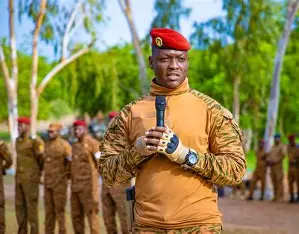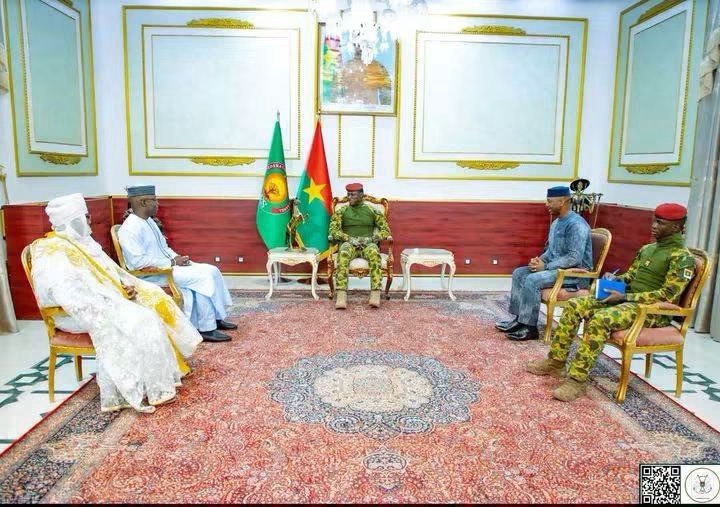
The Confederation of Sahel States (AES) is moving forward with the establishment of its institutional framework. In Ouagadougou, the presidents of the parliaments of Burkina Faso, Mali, and Niger met with Confederation President Captain Ibrahim Traoré to receive his guidance ahead of the formal inauguration of the confederal parliament.
Following the meeting, officials announced that the selection of representatives will take place shortly, paving the way for the first session of this new legislative body. The confederal parliament is tasked with representing the peoples of the three nations, supporting the work of AES institutions, and helping to solidify the political vision championed by the leadership of these countries.
This move marks another milestone in the institutional development of the Alliance of Sahel States, which aims to establish its own governance structures following its withdrawal from ECOWAS.
However, the meeting comes at a time of heightened security concerns. In recent weeks, Burkina Faso, Mali, and Niger have experienced a surge in jihadist attacks, some of unprecedented scale, resulting in heavy casualties among defense forces and civilian populations. Critics question the prioritization, noting that while the top parliamentary leaders of the AES gather to fast-track the creation of a parliament, no equivalent high-level meeting has been announced specifically to address the escalating security crisis.
This perception fuels criticism from those who believe AES leaders are now focusing heavily on building new political institutions while the security emergency continues to weigh heavily on citizens. Without dismissing the long-term value of a confederal parliament, these critics argue that such a direction could be poorly received in a context where people expect concrete responses to the growing number of attacks.
Beyond its institutional significance, this development is also seen as the beginning of a more pronounced political division in West Africa. By gradually building its own institutions, the AES is asserting its autonomy from ECOWAS, potentially deepening the rift between the two regional blocs and complicating prospects for broader political and security cooperation.