Transforming public finance through forward-thinking policy
Benin is advancing its public policy framework with the 2027 budget framework, marking a significant shift in how national finances are structured. Under the first administration of the seven-year term, the government has embedded climate resilience, gender equality, and regional disparities as core pillars of budgetary planning. This strategic move reflects a long-term vision that transcends traditional fiscal management, positioning public investment as a catalyst for sustainable development and societal progress.
A proactive response to environmental and social challenges
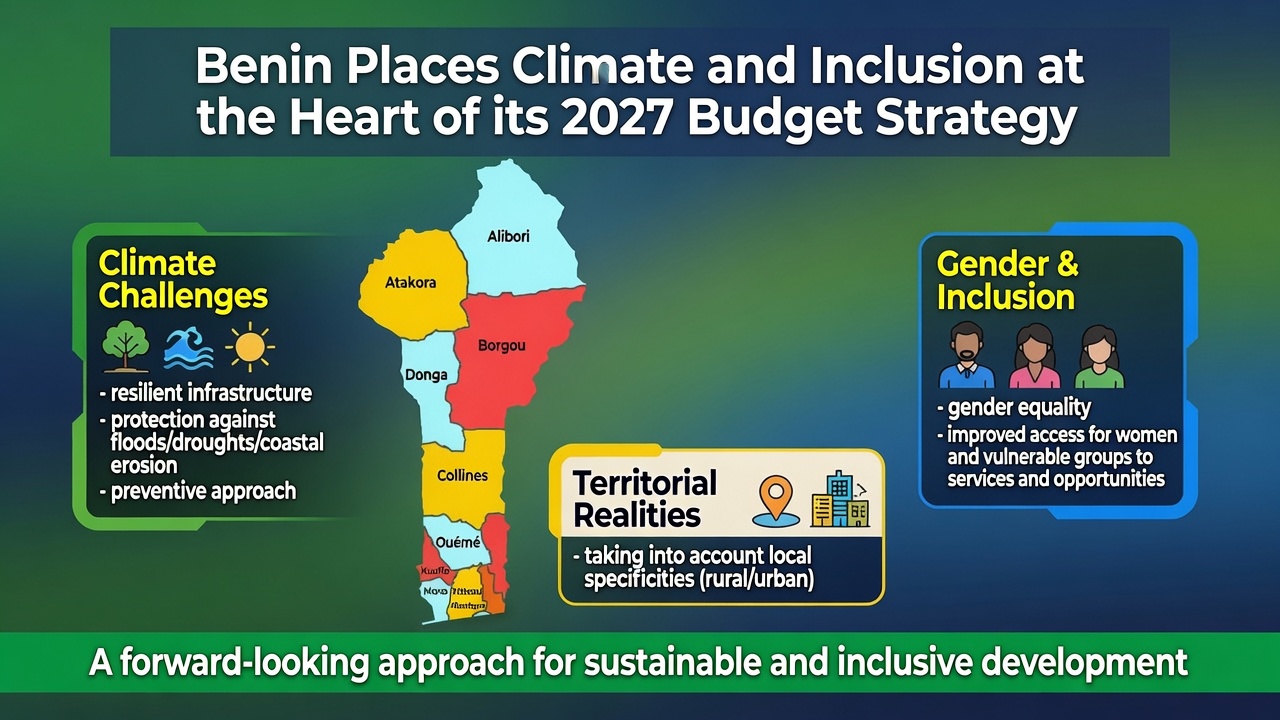
The 2027 budget framework arrives at a critical juncture, as climate-related disasters intensify, natural resources come under strain, and persistent social inequalities remain unaddressed. Rather than reacting to crises after they occur, this new approach emphasizes prevention and preparedness. By integrating climate risks into financial decisions, the government aims to steer investments toward resilient infrastructure, enhance protection for vulnerable communities, and bolster the nation’s capacity to withstand shocks such as flooding, droughts, and coastal erosion. This forward-looking strategy also enhances governance by reducing the long-term economic and social costs of future catastrophes.
Advancing gender equality through fiscal policy
Recognizing that public policies can yield unequal outcomes, the government is prioritizing gender mainstreaming in budgetary planning. This commitment ensures that development efforts are inclusive, addressing disparities in access to essential services, economic opportunities, and social protection. By tailoring resource allocation to the needs of women, youth, and marginalized groups, the state fosters a more equitable society while unlocking the potential of all citizens in driving national progress.
Localizing development through territorial equity
Benin’s diverse regions face unique challenges, from rural underdevelopment to urban congestion. The 2027 budget framework addresses this by incorporating localized needs into national planning. This decentralized approach improves the efficiency of public spending, ensuring that policies align more closely with the realities on the ground. By doing so, the government strengthens the connection between citizens and state institutions, fostering trust and accountability in governance.
The revised budget strategy underscores a broader shift toward adaptive governance, one that anticipates economic, social, and environmental changes. Beyond its fiscal implications, this framework positions the budget as a dynamic tool for national transformation, reducing vulnerabilities while promoting resilience and sustainable growth.
Strengthening partnerships through sustainable fiscal planning
International partners increasingly prioritize countries that demonstrate commitment to climate action, social inclusion, and sustainable development. By adopting these principles in its 2027 budget, Benin enhances its credibility and appeal to technical and financial collaborators. This proactive stance positions the country to attract greater investment in resilience projects, ecological transition initiatives, and regionally balanced development programs.
The 2027 budget framework is more than a financial exercise—it is a strategic roadmap for a future-ready Benin. By embedding climate resilience, gender parity, and territorial justice into public finance, the government is laying the groundwork for a more robust, inclusive, and adaptive economy. This vision reflects an unwavering commitment to building a nation that thrives amid the complexities of the 21st century, ensuring prosperity for all segments of society.