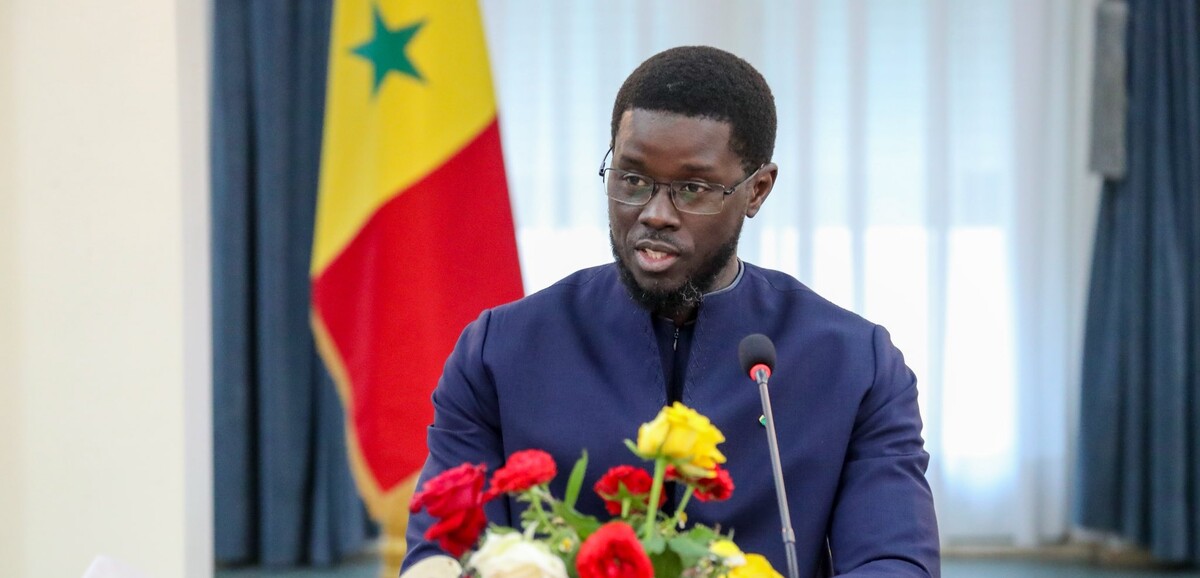
Within a week of taking office, Beninese President Romuald Wadagni is already stamping his authority on the executive branch. Having served as Minister of Economy and Finance under outgoing President Patrice Talon for two consecutive terms, Wadagni now faces the delicate task of preserving the nation’s economic legacy while carving out his own political identity. His inaugural decisions reflect this careful balance between honoring past achievements and introducing subtle yet meaningful shifts.
Building on a decade of economic progress
Romuald Wadagni has not distanced himself from the fiscal policies and structural reforms he championed during his eight years at the helm of Benin’s finances. The stabilization of public accounts, enhancement of the country’s sovereign credit rating on global markets, and acceleration of large-scale infrastructure projects are framed as successes to be upheld. This commitment to continuity has reassured international donors, private investors, and credit rating agencies that had praised Cotonou’s macroeconomic trajectory under Talon’s administration.
The new president is clearly positioning himself within the same economic framework he helped design. This deliberate alignment grants him immediate credibility with technical and financial partners, particularly as West Africa grapples with political and security uncertainties. As the architect behind Benin’s recent sovereign bond issuances and a vocal advocate for fiscal discipline, Wadagni carries rare trust within global financial circles.
Signs of a distinct leadership style
Yet Romuald Wadagni is not content to merely carry forward the work of his predecessor. Early policy signals suggest a deliberate shift in political and social engagement—areas where the previous administration faced significant criticism. The new leader has signaled openness to broader collaboration, reaching out to opposition figures and civil society to address concerns raised during the last electoral cycle, particularly regarding institutional constraints.
The president’s public appearances have adopted a notably more consultative tone, contrasting sharply with Patrice Talon’s more reserved demeanor. Wadagni emphasizes inclusive governance, prioritizing dialogue with intermediary bodies and signaling a commitment to participatory decision-making. This approach aims to reinforce the narrative of an accessible presidency, even as it preserves the institutional architecture shaped by the 2019 constitutional reforms.
Navigating complex political realities
Despite these early gestures, the realities of governance quickly impose their own constraints. Wadagni must navigate a parliamentary majority loyal to Patrice Talon’s legacy, an administration conditioned by a decade of centralized decision-making, and a public eager for tangible signs of change. His ability to assemble a cabinet aligned with his vision—without destabilizing internal party dynamics—will be critical in the coming months.
Regionally, the president inherits pressing security challenges. The persistent threat of jihadist activity in northern Benin, bordering Burkina Faso and Niger, demands sustained military mobilization and delicate diplomatic engagement with neighboring Sahelian governments in transition. The decisions made in defense policy and regional cooperation over the next few weeks will serve as a key indicator of Wadagni’s political autonomy as Talon’s successor.
The first 100 days in office represent a critical proving ground. From cabinet appointments to budgetary priorities and opposition engagement, Romuald Wadagni must demonstrate that continuity does not preclude meaningful transformation. His early moves suggest a calculated blend of tradition and innovation, designed to reassure while signaling a new direction for Benin.