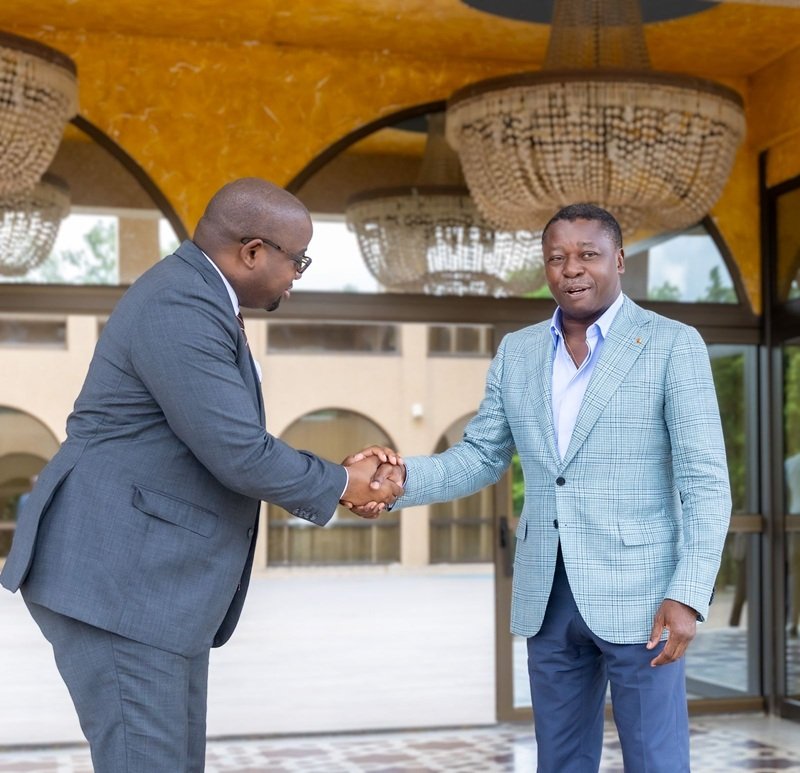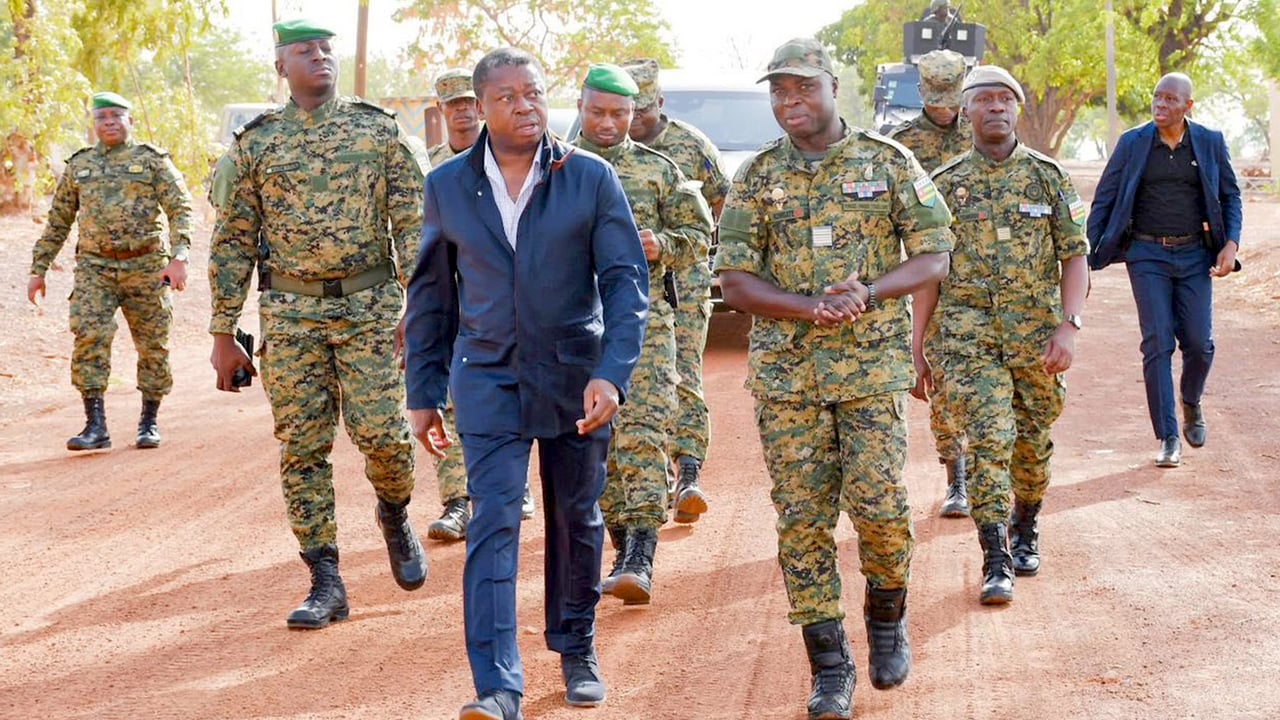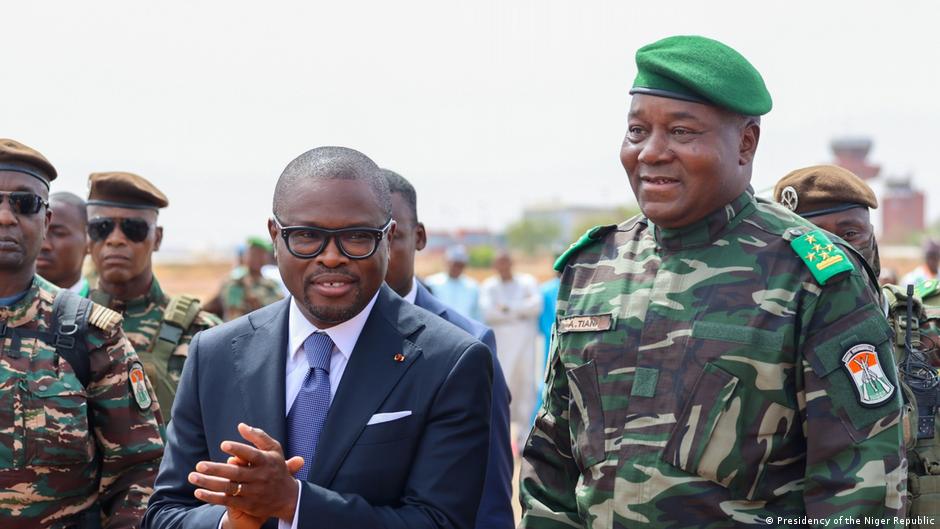
Since taking office on May 24, Beninese President Romuald Wadagni has embarked on a regional tour that included stops in Nigeria, Niger, Mali, Burkina Faso, Togo, Côte d’Ivoire, and Senegal. This diplomatic initiative marks a significant departure from the strained relations that characterized the final years of former President Patrice Talon’s administration, particularly with the Alliance of Sahel States (AES).
From confrontation to dialogue: Benin’s evolving Sahel policy
The shift in Benin’s approach represents a pivotal moment for West African diplomacy. Following the wave of coups in AES member states between 2020 and 2023, the region has been marked by political tensions and mutual distrust. President Wadagni’s strategy, however, prioritizes pragmatic engagement over confrontation, focusing on two critical areas: security collaboration and economic cooperation.
This new direction raises a key question: Can Benin’s diplomatic reset with the Sahel alliance succeed in fostering stability and mutual growth?
Expert insights on Benin’s regional diplomacy
To explore the implications of this shift, L’Arbre à Palabres hosted a roundtable discussion moderated by Éric Topona. The conversation brought together voices from across the region to analyze the potential outcomes of Benin’s new approach:
- Paul Amoussou, Editor-in-Chief of La Nation, Benin’s national daily newspaper, provided a local perspective on the diplomatic realignment.
- David Dosseh, Spokesperson for the Togolese civic movement Togo Debout, offered insights into regional public sentiment and expectations.
- Ousmane Ndiaye, an independent journalist, examined the broader geopolitical implications for West Africa.
As Benin takes bold steps to rebuild bridges, the success of this strategy will depend on balancing national interests with the collective needs of the Sahel. The coming months will reveal whether this pragmatic turn can translate into tangible benefits for the region.