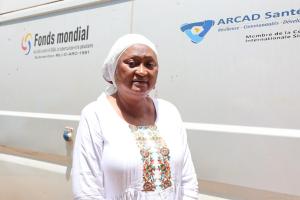
Building trust in science to strengthen community health in Mali
Bamako – Science stands as the cornerstone of public health advancement, particularly during times when the world faces unprecedented health challenges. The 2026 World Health Day, themed “Health for All. Science for All.” highlights how scientific progress can transform lives across Africa. Among the voices leading this charge is Dr. Bintou Dembélé, a dedicated public health expert from Mali whose work bridges research, policy, and community action.
With over two decades of experience in infectious disease control and health system strengthening, Dr. Dembélé champions the integration of science into everyday health practices. Her mission? To ensure that scientific breakthroughs translate into tangible benefits for communities—preventing crises, saving lives, and fostering resilience. As Mali and West Africa navigate evolving health threats, her insights shed light on how science can empower local populations and shape a healthier future.
Why science is vital for protecting community health today
The role of science in public health cannot be overstated. It drives the discovery of life-saving vaccines, innovative treatments, and advanced diagnostic tools that combat both long-standing and emerging diseases. But its impact extends beyond treatment.
Science is equally vital in prevention. By uncovering how diseases spread and identifying high-risk factors, researchers can implement targeted interventions before outbreaks escalate. This proactive approach not only reduces human suffering but also lightens the burden on overstretched health systems.
Moreover, scientific advancements enhance the quality of healthcare delivery. Improved medical equipment, early detection methods, and data-driven decision-making empower healthcare workers to provide faster, more accurate care. In Mali and across West Africa, these tools are transforming patient outcomes and strengthening health infrastructure.
How scientific collaboration transforms health outcomes in West Africa
No country can tackle health challenges in isolation. In West Africa, where infectious diseases and non-communicable conditions often overlap, collaborative research offers a powerful solution. By pooling expertise, resources, and data, countries can address shared threats more effectively.
Such partnerships have already yielded significant progress. Joint initiatives have led to better maternal and child health programs, reduced neonatal mortality, and improved responses to outbreaks like Ebola and COVID-19. Beyond immediate health benefits, these collaborations foster economic stability, as healthier populations contribute more actively to societal and economic development.
Dr. Dembélé emphasizes that these alliances are not just about sharing knowledge—they’re about building trust across borders, ensuring that scientific findings are culturally relevant and actionable for local communities.
The “One Health” approach: A game-changer for disease prevention
This year’s World Health Day spotlight shines on the One Health concept—a holistic strategy recognizing the interconnectedness of human, animal, and environmental health. By addressing health challenges at their roots, communities can prevent crises before they occur.
The approach encourages community-led surveillance, where local populations actively monitor health risks in collaboration with scientists. It also promotes participatory research, ensuring that traditional knowledge and modern science work hand in hand. In Mali, this model has proven effective in tracking zoonotic diseases and improving environmental health, ultimately safeguarding both people and ecosystems.
Dr. Dembélé notes, “One Health isn’t just a strategy—it’s a mindset. When communities understand how their actions impact health, they become empowered to take preventive action.”
Turning scientific data into real-world health solutions
Data is the lifeblood of scientific progress, but its true value lies in action. For research to make a difference, findings must be swiftly translated into policies and programs. This requires seamless communication between researchers, policymakers, and frontline health workers.
In Mali and West Africa, rapid data sharing has enabled governments to allocate resources more efficiently, target high-risk areas, and respond to health threats with precision. For example, real-time disease surveillance systems have helped contain outbreaks before they spread, saving countless lives.
Dr. Dembélé advocates for open science—where data is accessible, transparent, and tailored to local needs. “Science must be a shared tool, not a privilege,” she says. “When communities see how data directly improves their lives, trust in science grows naturally.”
How to foster public trust in science
Trust in science is built on clarity and accessibility. Many communities remain skeptical due to misinformation or a lack of understanding. To bridge this gap, Dr. Dembélé stresses the importance of clear communication.
Educating the public through local languages, community workshops, and trusted leaders helps demystify science. When people see tangible results—like reduced disease rates or improved healthcare access—they’re more likely to embrace scientific recommendations. Social mobilization, led by health workers and community influencers, further amplifies this trust.
Dr. Dembélé’s final message is hopeful: “Science is not an abstract concept—it’s a lifeline. When we make it relatable and inclusive, it becomes a movement that everyone can support.”