
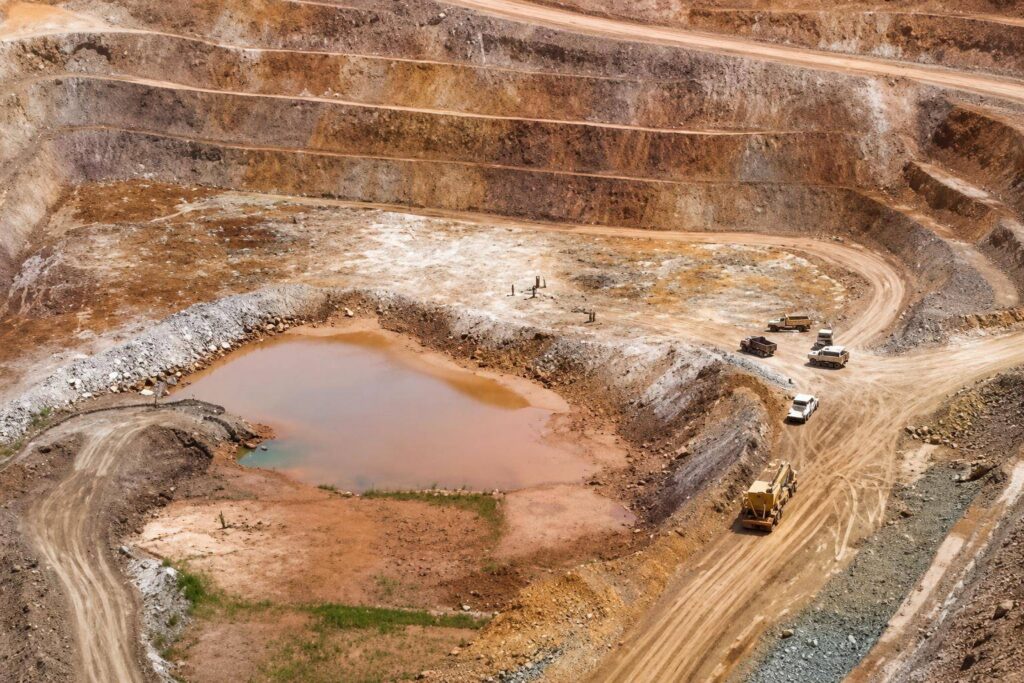
The Burkina Faso gold industry is undergoing a radical transformation, driven by the 2023 establishment of the National Precious Substances Company (SONASP) and the inauguration of critical local infrastructure, including the national gold refinery in Ouagadougou. The transitional government has set a clear goal: reclaiming control over the gold supply chain to strengthen economic independence.
Yet beneath the bold rhetoric of autonomy and the impressive first-half figures—tens of tonnes of gold now flowing through official channels—the national strategy faces deep structural contradictions and escalating geopolitical pressures. The push for self-sufficiency is not without its hurdles.
From dependency to diversification: the shifting mining landscape
Central to the new mining policy is a deliberate reshaping of international partnerships. By awarding exploration and extraction licenses to foreign firms—including Russian operators like Nordgold—the government aims to reduce reliance on traditional investors and diversify its mining ecosystem.
However, this pivot introduces fresh dilemmas:
- New strategic vulnerabilities: Swapping one set of international actors for others tied to specific geopolitical blocs may expose Burkina Faso to fresh dependencies and external leverage points.
- Governance and oversight challenges: The real test lies in whether oversight bodies such as BUMIGEB and SONASP can enforce strict traceability and ensure that local communities genuinely benefit—especially in a climate of heightened insecurity that threatens both artisanal and industrial mining operations.
The storage controversy: a flashpoint for national debate
Allegations that national gold reserves might be shipped or stored in the Russian Federation sparked intense public debate. While the Ministry of Economy and Finance swiftly dismissed the claims as misinformation, the episode underscored the fragility of managing a strategic resource in a volatile geopolitical environment.
Two core concerns emerged from the speculation:
- Financial exposure: Depositing sovereign gold reserves with a state facing sweeping international sanctions and restricted access to global banking systems could erode liquidity and undermine the legal protections of Burkina Faso’s assets.
- Erosion of sovereignty: Gold remains a nation’s ultimate financial safeguard. Entrusting physical reserves to a foreign entity—particularly under current geopolitical tensions—contradicts the very principle of total resource sovereignty the government seeks to uphold.
Local refining: promise and pitfalls
The launch of a domestic gold refinery marks a symbolic leap forward, but technical and economic realities complicate its success:
- Supply chain integrity: Sustaining refinery operations demands rigorous control over artisanal mining zones, where smuggling and fraud often thrive amid fragile security conditions.
- Community impact: Beyond tax revenue, the sector must deliver tangible benefits—stable jobs, local infrastructure development, and equitable wealth distribution—to justify its national importance.
The government’s push to rebalance mining revenue in favor of the state reflects a pragmatic response to economic imperatives. Yet to safeguard this newfound sovereignty, Burkina Faso must prioritize domestic transparency, secure national reserve management, and invest in robust internal infrastructure over externalized financial arrangements that could reintroduce geopolitical risk.


More Stories
Is Chad truly heading towards political appeasement?
Bradley Barcola will adapt faster than Florian Wirtz at Liverpool, says Jermaine Pennant
Togo eyes nuclear power to secure future energy sovereignty