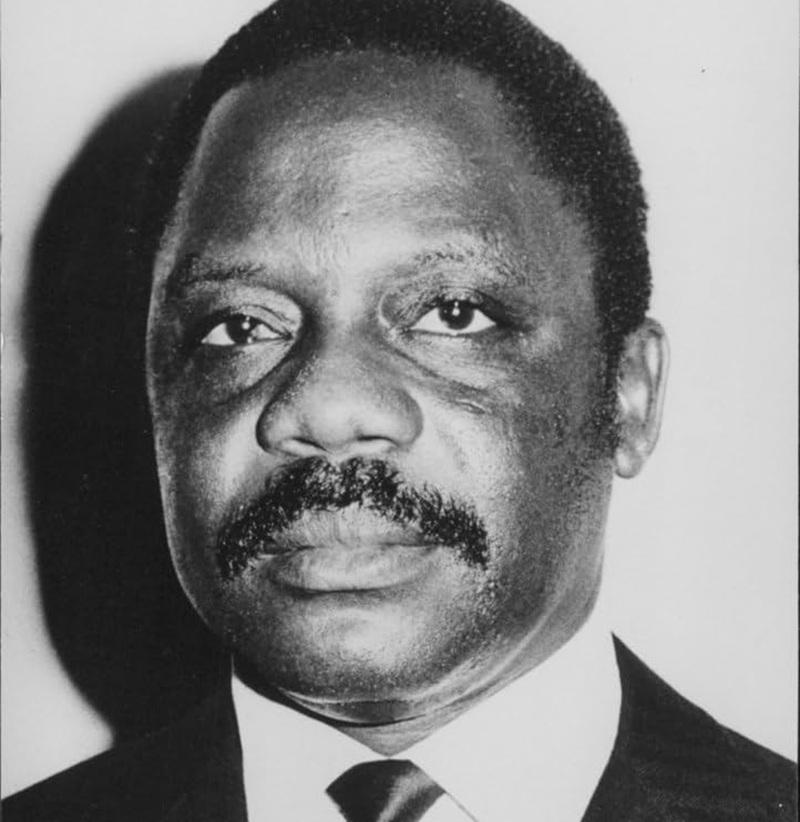
Speaking at the 9th World Congress against the death penalty in Paris, the Cameroonian deputy is pushing for a gradual end to capital punishment in his country.
Cabral Libii argues that a truly democratic society is one that balances the protection of life, the demands of justice, citizen security, and respect for the rule of law. “The challenge is not just to abolish the death penalty but to build strong institutions so that justice can be trusted without resorting to irreversible measures,” he stated.
Libii noted that he is among officials, parliamentarians, and justice ministers from over 130 countries attending the congress. Although Cameroon has not yet abolished the death penalty, it has carried out no executions since 1997, making it a de facto abolitionist state. This reality inspired the five-point reflection he shared at the congress.
1. Protecting life is a core value. The international trend, with two-thirds of countries moving away from capital punishment, should be welcomed. Taking a life to show that killing is wrong undermines repentance, the burden of guilt, and the possibility of correcting judicial errors.
2. Each country has its own historical, cultural, and security context. Abolition can only be lasting if it comes from internal democratic debate, supported by national institutions and accepted by society. Awareness and education are crucial, and elected officials and civil society have a key role.
3. Although Cameroon still has the death penalty on the books, it has effectively observed a moratorium on executions for nearly three decades. This is a positive development that deserves optimism.
4. Fighting crime depends on the quality of justice. The real answer to serious crimes is an independent, impartial, effective judiciary that respects fundamental rights, not just harsh sentences.
5. The advancement of fundamental rights is part of the global evolution of democratic standards, but must be implemented with respect for national realities to maintain legitimacy and accelerate progress.
Ultimately, the debate on the death penalty should not pit human rights advocates against security or judicial rigidity advocates. A true democratic society reconciles life protection, justice, security, and the rule of law. The challenge is not only abolition but also building strong institutions so justice inspires confidence without irreversible measures, Libii concluded.