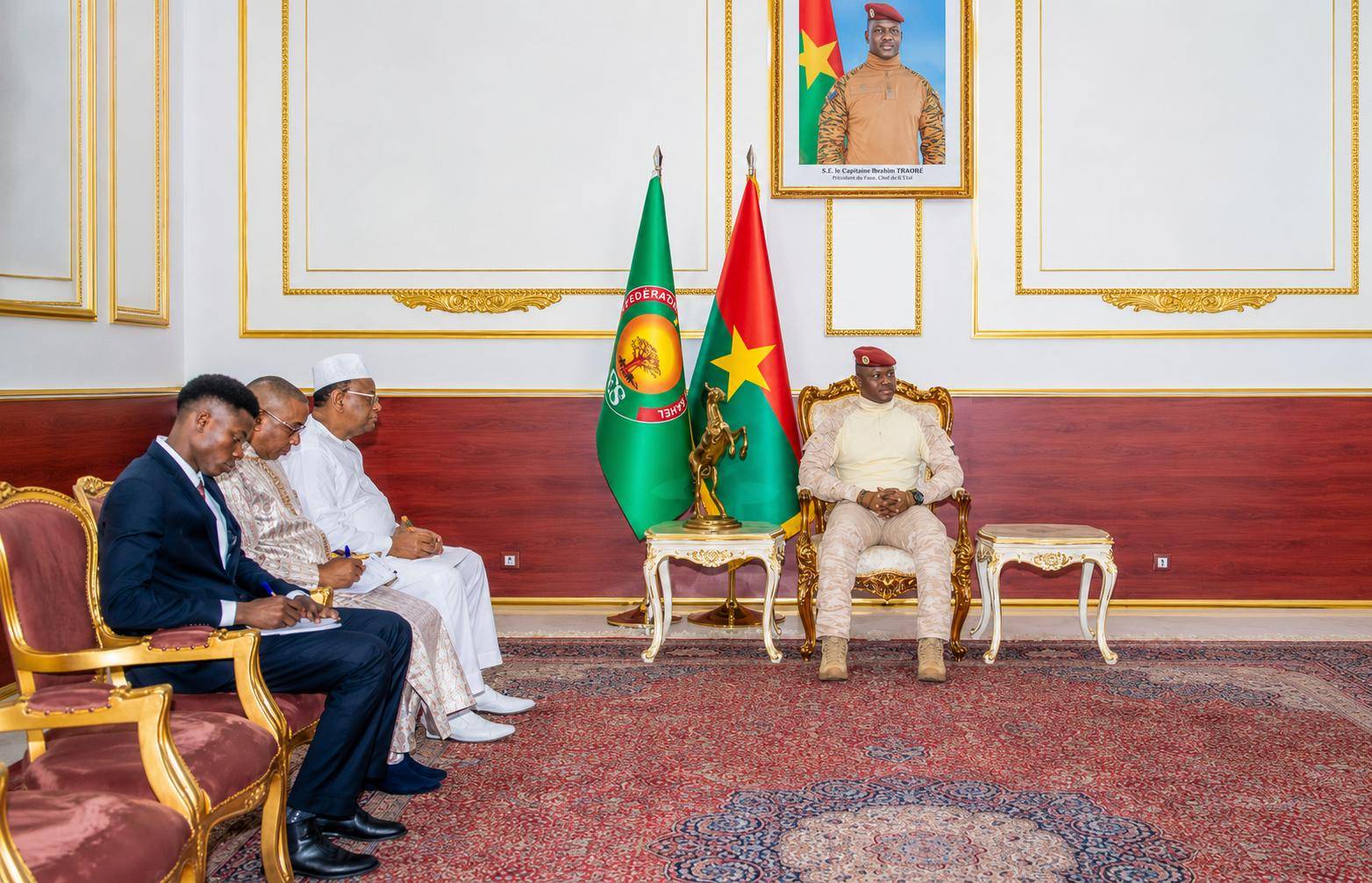
Lansana Kouyaté’s recent mission to Ouagadougou, as the Economic Community of West African States’ (CEDEAO) mediator for the Alliance of Sahel States (AES), has thrust regional diplomacy back into the spotlight. Standing before Captain Ibrahim Traoré, the envoy championed a cooperation model rooted in shared realities: the Sahel’s peoples cannot be divided by political decrees alone. While the regional bloc’s pragmatic approach reflects a welcome maturity, it collides head-on with deep-seated skepticism—fueled by a long history of broken pledges from governments accustomed to prioritizing power over promises.
the case for dialogue: pragmatism in a fractured landscape
Dismissing the CEDEAO’s outstretched hand would ignore its core rationale. By opting for dialogue over confrontation, the West African bloc demonstrates a political wisdom often absent in crisis zones. The stakes are existential:
- economic lifelines at risk: Over 70% of trade for landlocked Sahel nations like Burkina Faso, Mali, and Niger flows through coastal CEDEAO ports. Cutting these ties would suffocate populations already grappling with terrorism and poverty. The bloc’s refusal to punish civilians for their leaders’ choices is both principled and strategic.
- security without borders: Jihadist groups recognize neither the AES treaty nor the CEDEAO’s. Fighting insecurity without cross-border coordination is a military absurdity. Here, the CEDEAO strives to salvage what remains of collective security efforts.
Yet this commonsense diplomacy harbors a critical flaw: the glaring asymmetry in good faith among negotiators.
skepticism’s sting: a culture of betrayal normalized
The CEDEAO’s optimism, though admirable in theory, collides with harsh historical patterns. Military regimes across the AES share a track record of unkept commitments—toward both the international community and their own citizens.
election promises buried in the sand
From Mali to Burkina Faso, transitional timelines were initially set at 18 to 24 months. Today, those roadmaps lie in ruins, replaced by open-ended delays justified by “security imperatives.” The constitutional return to civilian rule has quietly vanished from the agenda.
international agreements treated as disposable
The CEDEAO has learned the hard way: treaties signed in Bamako or Ouagadougou are often discarded months later under the banner of “reclaimed sovereignty.” Decades of regional integration efforts have crumbled in weeks to appease populist rhetoric. Negotiating “exemplary cooperation” with partners who view international law as optional is akin to building on shifting sand.
the social contract broken
More alarming is the breach of faith with Sahelian citizens themselves. Military juntas, once hailed as saviors, now stand accused of:
- Suspending political parties and stifling civil society.
- Silencing independent media and persecuting dissent under the guise of “patriotic duty.”
- Failing to curb violence despite shifting geopolitical alliances.
In essence, the fundamental duty of any state—to protect its people while upholding their freedoms—is systematically violated.
dialogue with teeth or empty gestures?
The CEDEAO’s role in maintaining technical and economic bridges is vital for regional survival. But caution is paramount. The bloc cannot afford to legitimize fait accompli regimes that exploit negotiation periods to entrench personal power. Dialogue is essential—but only if the CEDEAO demands ironclad, enforceable guarantees. Without this, yet another mediation effort risks perpetuating a familiar cycle: hollow promises followed by inevitable betrayal.