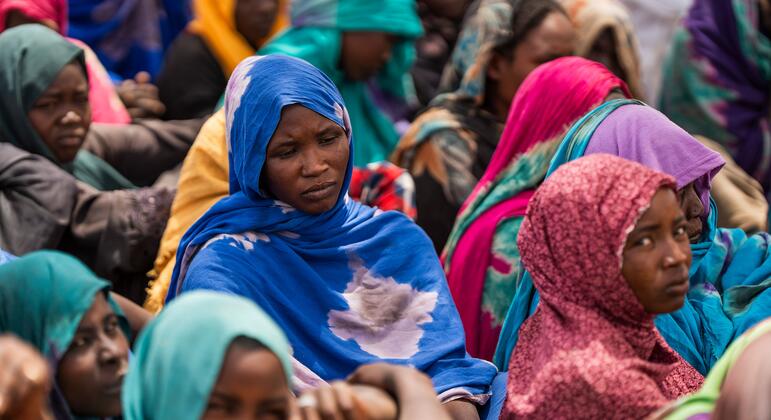
The humanitarian situation in Chad has reached a critical point as the nation attempts to support over 1.3 million refugees and returnees. This massive influx, consisting primarily of women and children, is placing an immense burden on a country already struggling with deep-seated poverty and a chronically underfunded medical infrastructure.
Following a week-long assessment in the eastern part of the country, Andrew Saberton, the Deputy Executive Director of the UNFPA, described the conditions as both inspiring due to the resilience of the people and deeply disturbing due to the lack of resources.
The spillover of the Sudan conflict
During his travels through Abéché, Adré, the Ouaddaï province, and the Iridimi refugee camp—located over 1,000 kilometers from N’Djamena—Saberton witnessed the brutal reality facing those fleeing the war in neighboring Sudan. The conflict has left women and girls particularly vulnerable to exploitation and physical danger.
In Adré, near the Sudanese border, displaced women shared accounts of the constant threat of violence they face. Simple daily tasks, such as leaving the camps to search for firewood, have become high-risk activities where harassment and sexual assault are common. For many, the act of gathering fuel is now synonymous with fear.
Despite these harrowing circumstances, there are signs of hope. Support centers are providing survivors with psychosocial care, vocational training, and opportunities to start small businesses, helping them reclaim their lives.
However, the medical challenges remain severe. In Abéché, the story of a young survivor of obstetric fistula highlights the systemic failures. Married at just 15, she suffered through three days of obstructed labor without any medical intervention. Her child did not survive, and she was subsequently abandoned by her husband. She lived with the painful complication for nearly ten years before finally receiving surgery. Even after her recovery, she continues to face societal pressure to remarry.
Strained resources and medical shortages
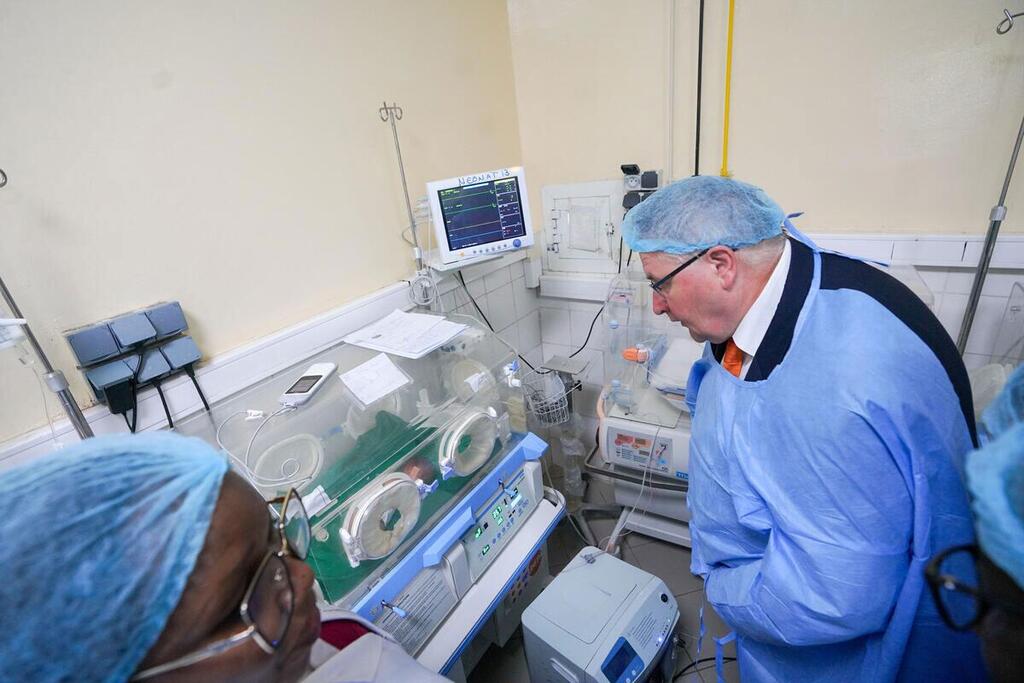
In the Wadi Fira province, the Iridimi camp is just one of eight facilities housing more than 333,000 refugees. Local healthcare centers are buckling under the pressure. Sages-femmes at the camp’s health center manage up to 300 deliveries every month, often with almost no supplies.
Medical staff have reported that a lack of anesthetics sometimes forces them to perform C-sections in unsafe and inhumane conditions. Saberton emphasized that no woman should ever have to undergo such a procedure without proper pain relief.
The crisis is exacerbated by a drastic decline in international funding. The UNFPA budget for operations in Chad has seen a 44% decrease compared to 2025. Of the $18.7 million needed for 2026 to provide essential maternal health and protection services, only 2.5% of the funding has been secured so far.
Chad currently has one of the highest maternal mortality rates on the planet, with roughly 860 deaths for every 100,000 live births. Without an urgent increase in international aid, these numbers are likely to worsen. For the women and girls in eastern Chad, this support is the difference between a safe delivery and a life-threatening ordeal.