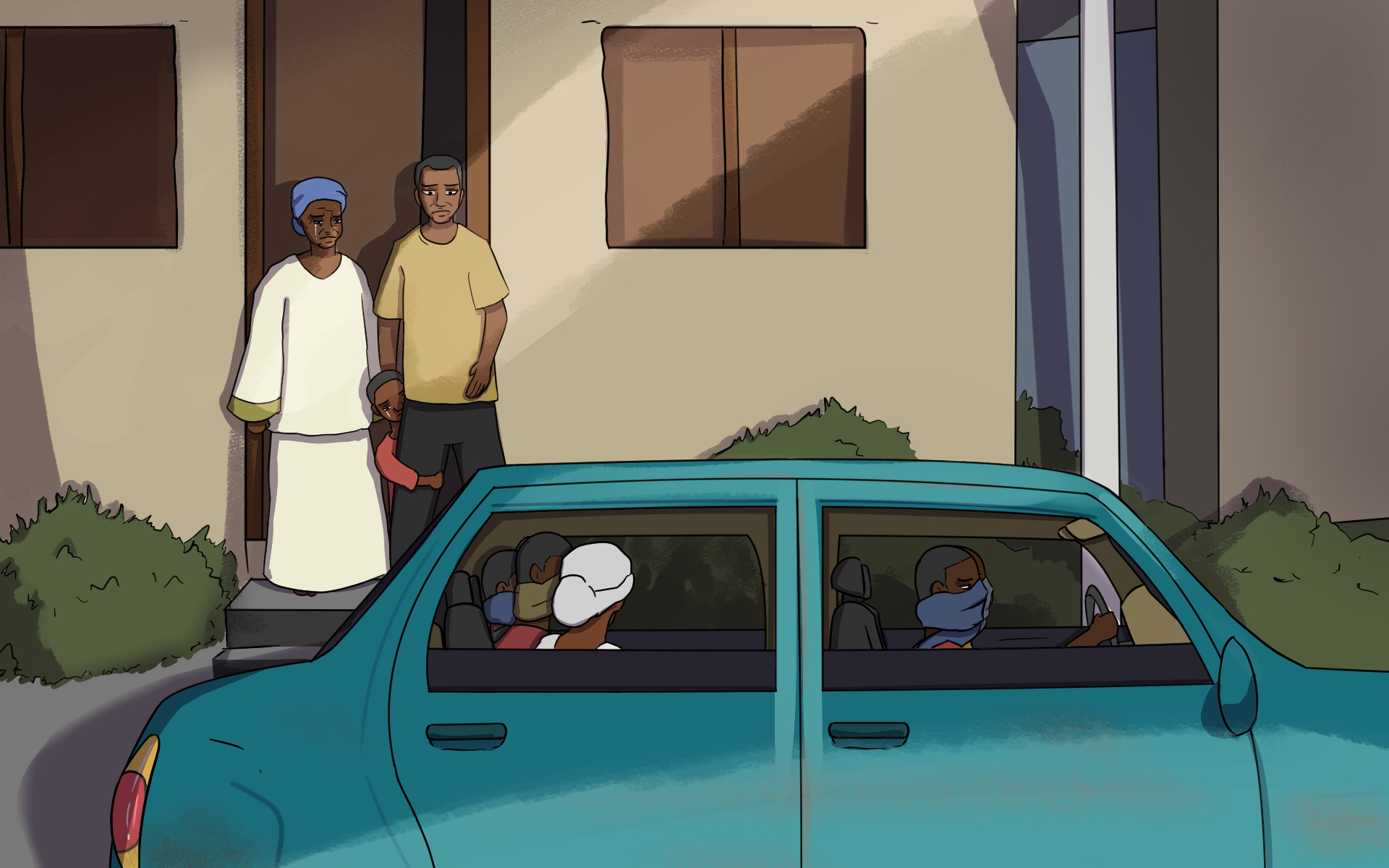
In Mali, Guinea, Burkina Faso and Niger, military authorities are systematically using forcible disappearances and illegal detentions to silence critics and suppress dissent. These tactics, widely documented in recent reports, target civil society members, journalists, lawyers, and activists who challenge military rule. The practice has escalated since mid-2024, with victims often abducted from their homes or workplaces, transported blindfolded in unmarked vehicles, and held in secret locations without legal recourse.
In Guinea, two prominent opposition figures—Mamadou Billo Bah and Oumar Sylla (also known as Foniké Menguè)—vanished on July 8, 2024, just hours before a planned protest against rising living costs and the demand for civilian rule. Mohamed Cissé, another arrested activist who was later released with severe injuries, testified that they were taken to a remote detention site in the Loos Islands archipelago near Conakry. Despite evidence and witness accounts, Guinean authorities deny holding them, leaving their fate uncertain.
How military regimes weaponize fear
These abductions follow a chilling pattern across West Africa. Victims—often civil society leaders, journalists, or judges—are seized in broad daylight, their families left in the dark. No arrest warrants are presented. Detainees are held incommunicado in unofficial facilities, including security service offices, subjected to prolonged interrogations without legal representation. The goal? To instill terror within civil society and crush resistance.
“In these unchecked circumstances, victims face unimaginable risks,” warns a human rights observer. The strategy is clear: remove dissenters, erase evidence, and maintain absolute control through fear. Many families only learn of their loved ones’ whereabouts—or their fate—months later, if at all.
Growing list of the disappeared and illegally detained
The crisis spans multiple countries:
- Burkina Faso: In 2024, lawyer Guy Hervé Kam, co-founder of Balai Citoyen, was illegally held for five months. In March 2025, five members of the Sens movement were abducted after denouncing civilian massacres in conflict zones. Their whereabouts remain unknown. Four journalists—Serge Oulon, Adama Bayala, Kalifara Séré, and Alain Traoré—were forcibly conscripted into the military in October 2024 under a general mobilization decree, though details remain murky.
- Niger: Journalist Samira Sabou disappeared for a week in September 2023 after her arrest at home. Similarly, Moussa Tchangari, secretary-general of Alternatives Espaces Citoyens, was detained without disclosure of his location for two days.
- Mali: Opposition leader Ibrahim Nabi Togola was kidnapped in December 2024 by alleged state security agents and held for 45 days before his release. Journalist Habib Marouane Camara was abducted in Guinea on December 3, 2024, by gunmen reportedly wearing gendarme uniforms; his whereabouts are still unknown.
These cases highlight a broader crackdown: victims are often transferred to police custody to face fabricated charges, or forcibly enlisted in the military—exposing them to frontline combat risks. Such was the fate of Guézouma Sanogo and Boukari Ouoba, leaders of Burkina Faso’s journalists’ association, who had criticized press freedom violations, and journalist Luc Pagbelguem, whose reporting exposed these abuses.
Justice under siege: the fight for rule of law
Despite mounting pressure, some acts of defiance emerge. In Burkina Faso, courts ordered the immediate release of Guy Hervé Kam. Guinea’s bar association boycotted court sessions for weeks demanding the freedom of Oumar Sylla and Mamadou Billo Bah. Courts in Mali and Niger have also condemned arbitrary detentions. Yet, such resistance comes at a cost: five Burkinabè judges were forcibly conscripted into the military in 2024 after presiding over sensitive cases involving authorities or their allies.
“Justice must remain the last line of defense against authoritarian overreach,” stresses a regional legal expert. “Without independent judicial scrutiny, the cycle of disappearances and illegal detentions will continue unchecked.”
Human rights organizations urge the African Union and international partners to increase support for judicial institutions in these countries. The survival of democratic norms—and the lives of those still missing—depends on it.