Mali 2025
In 2025, the human rights situation in Mali saw a concerning deterioration, marked by intensified restrictions on fundamental freedoms. Authorities notably curtailed the rights to freedom of expression, peaceful assembly, and association. Political opponents and civil society members faced arbitrary arrest, detention, and even enforced disappearance. Government forces, their allies, and various armed groups were implicated in unlawful attacks and killings targeting civilians. Meanwhile, armed groups imposed blockades on several towns, exacerbating humanitarian concerns. The ongoing conflict also had a devastating impact on education, with at least 2,036 schools forced to close.
Contextual Overview
Following the failure of an earlier peace process, which was boycotted by political parties, civil society, and certain armed factions, Malian authorities introduced the National Charter for Peace and Reconciliation in February. The political transition period, initially established after the 2020 military coup, was extended by an additional five years in April.
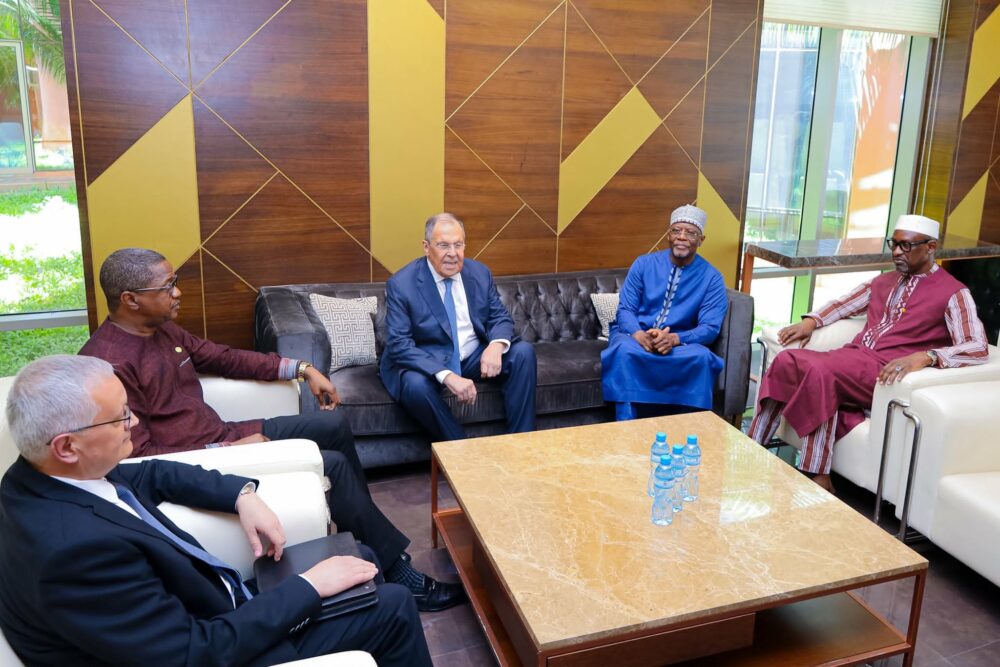
A significant shift in security partnerships occurred in June when the private military company Wagner was replaced by Africa Corps, an organization operating under the control of the Russian Ministry of Defense, further solidifying Mali’s security alliance with Russia.
In August, authorities announced the thwarting of a military coup attempt, leading to the arrest of several army officers and a French diplomat, who was also reportedly linked to French intelligence services.
Mali further signaled its intention to withdraw from the International Criminal Court (ICC) in September.
Freedom of Expression, Association, and Assembly
The alarming and continuous suppression of the rights to freedom of expression, peaceful assembly, and association was starkly highlighted by the authorities’ decision to dissolve all political parties. Demonstrations protesting this measure in April and May were met with violent repression by security forces in the capital city, Bamako.
Enforced Disappearances
Security forces were responsible for the enforced disappearance of activists, civil society members, and political figures.
On March 14, Alou Badra Sacko, coordinator of the ‘Appel du 20 février’ and president of the ‘Touche pas à mon argent’ civil society movement, was abducted in central Bamako by masked armed men and taken to an undisclosed location. His abduction followed his public demands for the abolition of taxes on mobile financial transactions. He was eventually released on May 24.
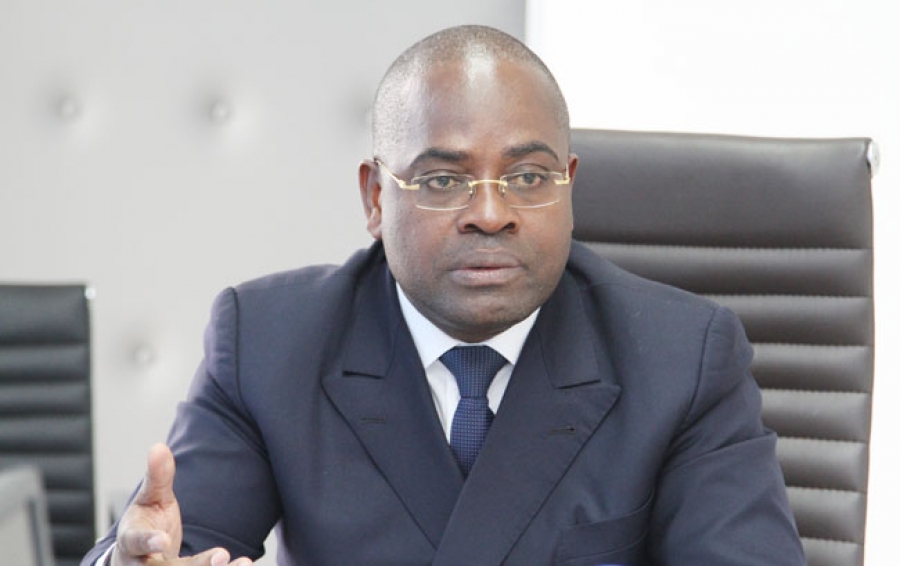
El Bachir Thiam, a leader of the Yelema party, was abducted from his home by unknown assailants on May 8, and his whereabouts remained unknown. The UN Human Rights Council called for his immediate release, and he was subsequently freed on September 26. Thiam had been a central figure in opposing the dissolution of political parties and the extension of the political transition.
Also on May 8, masked armed men, claiming to be gendarmes and traveling in an unmarked vehicle, abducted Alhassane Abba, Secretary-General of the Convergence for the Development of Mali political party, from his Bamako residence. He was released on June 5 without being brought to justice.
Arbitrary Arrests and Detentions
In March, the UN Human Rights Council called for the release of political activists Moulaye Baba Haïdara, Mahamoud Mohamed Mangane, and Amadou Togola, who reportedly endured torture while in detention. They had been held since 2023, awaiting trial on various charges, including