
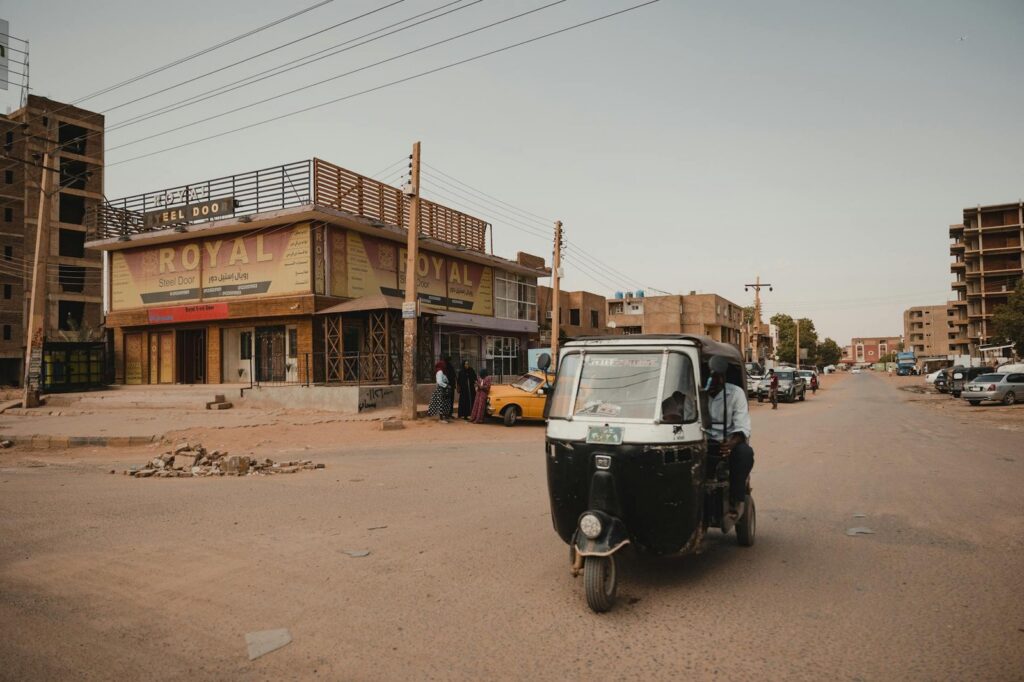
In Mali, the jihadist blockade enforced by the Jama’at Nusrat al-Islam wal Muslimin (JNIM), an al-Qaeda-affiliated group, has escalated to a new level. Over the weekend, at least ten passenger buses were set ablaze along the critical Ségou-Bamako corridor, the primary supply route linking the capital to eastern regions. Concurrently, electrical infrastructure linked to the Manantali hydroelectric dam in Kayes was deliberately targeted and destroyed. While Malian forces continue their military operations across multiple fronts, they have yet to break the economic stranglehold gripping the nation.
Manantali: a strategic target in a war of attrition
The recent assault on Manantali’s power lines is far from incidental. This dam, co-managed with Mauritania and Senegal under the Senegal River Basin Development Authority (OMVS), serves as one of Mali’s primary pillars of electricity supply. By disrupting its power evacuation systems, JNIM is no longer merely challenging security forces—it is striking at the heart of urban economic stability. Power outages here ripple across public services, commercial hubs, and industrial zones, paralyzing daily life.
This pattern of attacks has intensified over recent weeks, with fuel convoys arriving from Senegal and Côte d’Ivoire systematically targeted. The jihadists are weaponizing fuel shortages, betting on eroding public trust in the transitional government led by General Assimi Goïta. Bamako, once relatively insulated from direct conflict, now finds itself at the epicenter of a grinding battle of endurance.
Army’s countermeasures and fragile relief
In response, the Malian military reports ongoing ground and aerial operations across several regions. Military escorts have facilitated the entry of hundreds of fuel tankers into Bamako in recent days, temporarily easing pressure on gas stations. Yet this logistical respite remains tenuous: each convoy demands substantial resources, and the prospect of long-term route security appears increasingly remote.
The Malian Armed Forces (FAMa) face a dual threat. In the west and central regions, JNIM continues to ambush convoys and destroy critical infrastructure. Meanwhile, in the north, around Kidal, tensions simmer under a fragile ceasefire, with fresh clashes expected amid the presence of rebel factions within the Permanent Strategic Framework. Bamako’s forces are stretched thin, navigating two distinct battlefronts with dwindling resources.
Regional tensions and shared stakes
The blockade extends beyond Mali’s borders, sending shockwaves through neighboring economies. Senegal, Mauritania, and Côte d’Ivoire watch with mounting concern as West African trade corridors deteriorate. Reduced cargo flows are straining ports in Dakar and Abidjan, which depend heavily on transit to the Sahel hinterland. The Sahel States Confederation—comprising Mali, Burkina Faso, and Niger—has yet to forge a unified response to the economic warfare waged by jihadist groups.
The attack on Manantali also raises urgent questions about shared infrastructure within the OMVS framework. Further damage to the dam’s operations would directly impact electricity supply in Senegal and Mauritania, elevating a Malian crisis into a regional emergency. External partners—donors and military suppliers alike—must weigh their commitment to Mali’s stated sovereignty against the imperative of safeguarding cross-border critical assets.
On the ground, the disparity between the army’s operational claims and the lived reality of a beleaguered capital underscores the conflict’s evolving nature. JNIM’s ambitions have shifted from territorial control to state suffocation. Fresh confrontations are anticipated in the coming days, particularly around Kidal.


More Stories
Is Chad truly heading towards political appeasement?
Bradley Barcola will adapt faster than Florian Wirtz at Liverpool, says Jermaine Pennant
Togo eyes nuclear power to secure future energy sovereignty