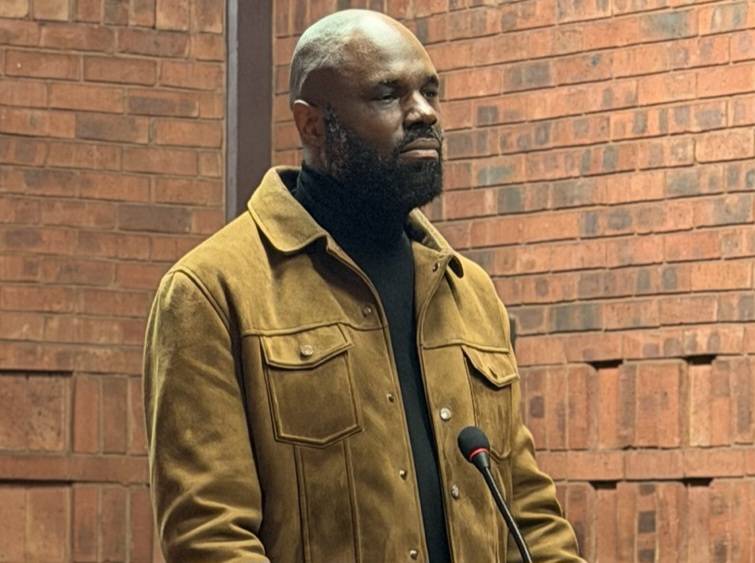
Within the confines of a high-security prison in Pretoria, Kemi Seba continues to sustain his political messaging despite his incarceration. His most recent public statement, distributed through official channels, reiterates his resolve to combat neocolonialism and accuses authorities of attempting to silence him politically.
Yet beneath the familiar rhetoric of victimhood and political martyrdom lies a starkly different narrative—one shaped by substantive criminal allegations and an international arrest warrant.
The political deflection strategy
Observers of African political dynamics recognize this as a recurring tactic. By framing his detention in ideological terms, Seba redirects attention from the legal gravity of his situation. His strategy hinges on portraying his judicial troubles as an orchestrated attack by foreign powers or corrupt elites—a narrative designed to:
- Galvanize his online following through emotionally charged symbolism.
- Construct a moral shield by presenting himself as a persecuted opinion leader.
This approach not only obscures the seriousness of the charges against him but also distorts the nature of his activism into a perceived struggle against systemic oppression.
Legal violations overshadowing ideological posturing
Kemi Seba’s imprisonment in Pretoria is not a consequence of his political beliefs, however contentious, but rather the result of actions deemed criminal under both domestic and international law. Key elements of the prosecution’s case include:
- Incitement to violence: Multiple public statements and online publications have crossed the threshold from free speech to direct calls for hatred and physical harm against institutions and individuals.
- International arrest warrant: His detention follows a formal request from a foreign jurisdiction, indicating that another country has presented substantial evidence to justify his extradition.
These charges represent a departure from the realm of political discourse into the domain of prosecutable offenses, where the burden of proof lies with the judiciary rather than public perception.
The erosion of a once-defiant stance
By avoiding substantive engagement with the allegations against him and instead amplifying his self-styled political persecution, Seba undermines his own legal defense. Legal experts and impartial analysts argue that his refusal to address the merits of the case weakens his credibility in court.
The legitimate intellectual tradition of Pan-Africanism has been co-opted in this instance to obscure personal legal accountability. South Africa’s judiciary, widely respected for its impartiality, is now evaluating a technical case—one that exists independently of the social media-driven notoriety Seba has cultivated. Ultimately, the proceedings in Pretoria are not a referendum on neocolonialism but a judicial examination of an individual’s alleged criminal conduct.