Lens shatters Arsenal at Wembley in 1998: Warmuz reveals the secrets of a historic night
On November 25, 1998, RC Lens etched its name into French football folklore by becoming the first club from the country to triumph at London’s iconic Wembley Stadium against Arsenal. Now 55, former goalkeeper Guillaume Warmuz shares the untold story of that unforgettable Champions League encounter.
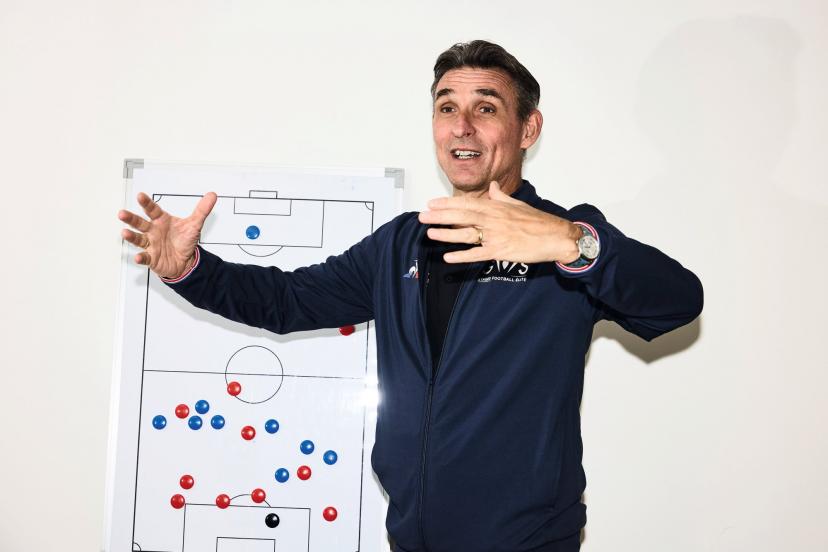
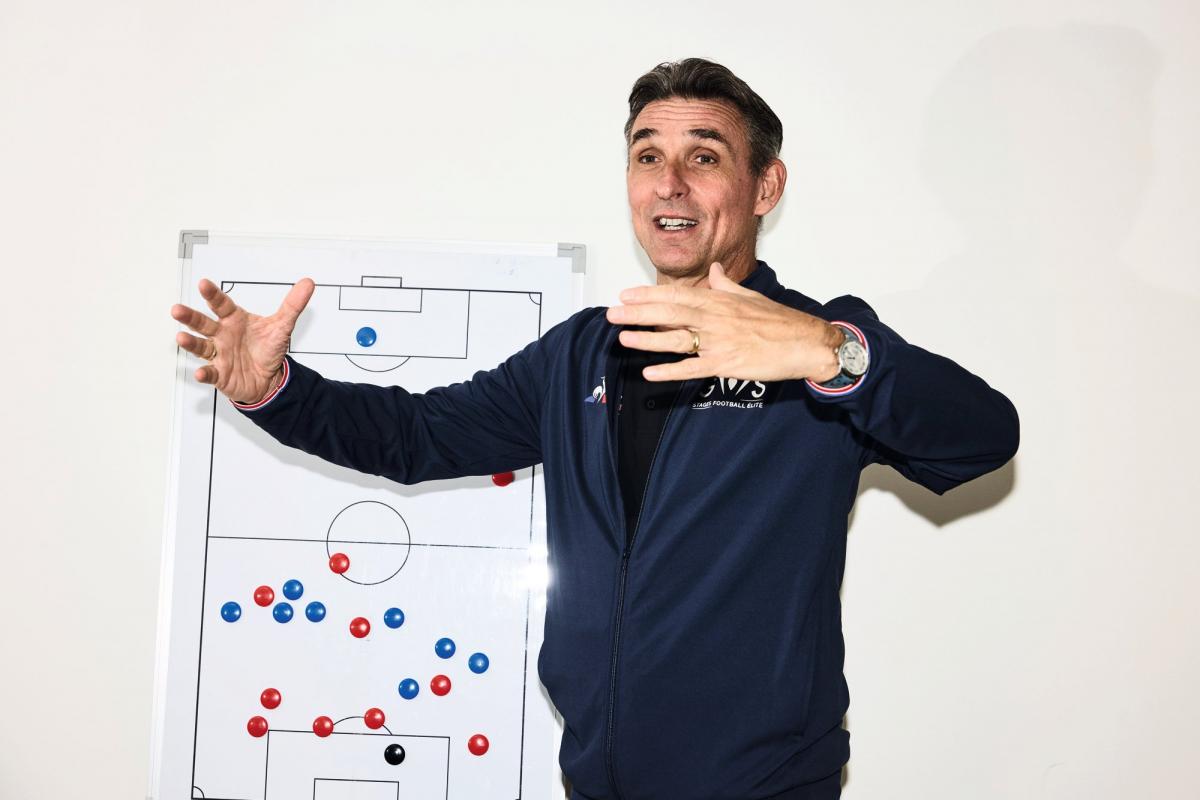
Liberated by the stakes of a prestigious London showdown, the RC Lens players adopted an assertive game plan according to Guillaume Warmuz: “Split the team in two.” This bold choice centered on reverting to a four-defender backline.
The buildup: a championship’s reward
“From the moment we arrived at the London hotel, we fully embraced the English atmosphere and shifted our mindset. The goal wasn’t just to play—it was to savor this once-in-a-lifetime opportunity to face Arsenal, the reigning English champions, at Wembley. We had to rise to the occasion without overthinking the stakes. This Champions League match was the reward for our hard-earned Ligue 1 title. We weren’t about to squander it.”
“Grand” (Daniel Leclercq’s nickname) had instilled this philosophy in us: “We’ve earned this moment. Now we must seize it without hesitation, attack relentlessly, and refuse to let Arsenal dictate the pace.”
Game plan: aggression over defense
“We were determined to take the fight to Arsenal, transforming the match into a physical battle. Leclercq’s instructions were crystal clear: “Play your game. The rest doesn’t matter.” His analogy of a boxing match set the tone—he wanted us to throw punches. We didn’t focus on neutralizing specific players like Anelka or Overmars, despite their reputations. Instead, we relied on our zonal defensive structure, aggressive pressing, and the ability to advance as a cohesive unit.”
“This season and the previous one, we were accustomed to playing with three defenders. To execute our high-pressing strategy, we shifted to a four-defender formation, emphasizing zonal marking and mutual coverage. Frédéric Déhu, our captain with exceptional anticipation skills, took on a central role, covering nearly the entire width of the pitch. He was the linchpin of our defensive organization.”
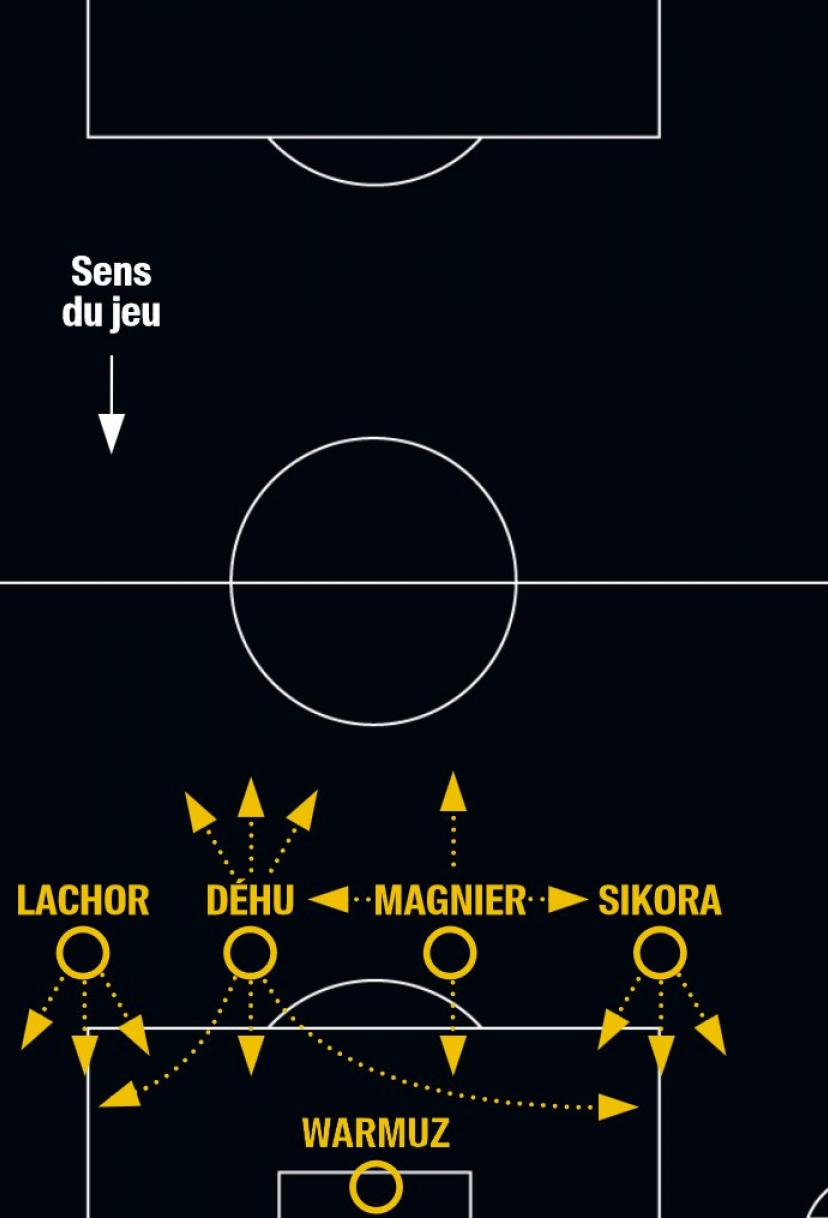
Typically fielding three central defenders, RC Lens switched to a Déhu-Magnier partnership to play higher up the pitch. Their defensive system relied on zonal marking and mutual coverage between defenders.
The goalkeeper’s role: a high-wire act
“Playing this high, with our defensive line stretched, I had to stay hyper-vigilant. I couldn’t afford to be caught off guard by runs from Anelka, Wreh, or Overmars. My job was to anticipate their movements, step out of my box, and intercept passes. It wasn’t my usual comfort zone, but this was the strategy we’d agreed on. I adapted on the fly, constantly adjusting my positioning to cut off counterattacks.”
“In the first half, I made two decisive interventions. The first was against Marc Overmars in the 6th minute, and the second came in the 31st when Nicolas Anelka broke through our defensive line. I anticipated his run, but I knew if I hesitated, it would be too late. I slowed my approach and thought: “If I try to play the ball, I’m dead.” So I committed to a sliding tackle, stole the ball from Anelka’s feet, and prevented what could have been a decisive goal. Pure luck played a part—if he’d pushed the ball even slightly further, it would have been all over.”
The turning point: a solitary moment on the pitch
“We held Arsenal to a 0-0 draw at halftime, feeling composed and satisfied. In the locker room, Leclercq emphasized the need to tighten our lines. We were spreading out too much, especially after quick counters and long balls to Pascal Nouma. This “accordion” effect created gaps that Anelka and others exploited. We made minor tactical adjustments, but nothing drastic.”
“After the break, Arsenal’s players looked visibly agitated. Their physical responses escalated, and the atmosphere turned electric. Our supporters never stopped singing, while the Gunners resorted to long balls and desperate challenges. Every dangerous play came from their right side, where Overmars was causing us problems.”
“Then, at the 52nd minute, we had our best chance of the match. Vladimir Smicer delivered a low cross that arrived at Pascal Nouma’s feet just 2.5 meters from goal. He had the simplest task in the world—just tap it in—but he struck it too high. When I saw the ball sail over the crossbar, I felt a wave of dread. That moment still haunts me.”
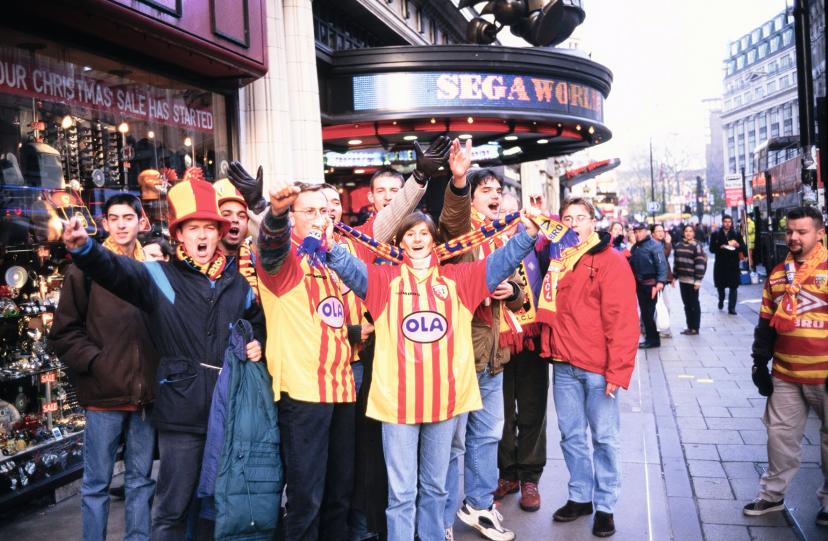
Hours before kickoff, RC Lens supporters brought the atmosphere to London’s streets, singing the club’s anthems and drawing curious glances from passersby.
The goal: a moment frozen in time
“Our breakthrough came in the 73rd minute. After losing possession during a promising counterattack, Tony Vairelles pressured the ball and won it back. He quickly played it to Wagneau Éloi, who had come on as a substitute at the 61st minute. Éloi then found Smicer, who executed a perfect cross from the left side of the box. From the second post, Mickaël Debève—who had made a run at the very limit of the offside line—was unmarked. He controlled the ball, feinted, and slotted it past David Seaman, who had no chance to react. The goal was met with collective joy, but we remained composed. There were still 25 minutes to play, and we were at Wembley. Losing control now would have been unthinkable.”
“After the goal, Arsenal’s players seemed to lose their composure entirely. Their physical aggression intensified, but so did our intensity. Our supporters never stopped chanting, while the Gunners launched desperate long balls. The final significant chance of the match came in the 89th minute when Overmars broke free on the left side of our box. I advanced to meet him, disrupting his rhythm, and he attempted a lob that sailed harmlessly over my head.”
The final whistle: a dream realized
“I was in a state of hyper-alertness from start to finish. This match stands as the pinnacle of my career. I didn’t make a single technical or tactical error, maintained perfect concentration, and didn’t concede a goal. When the referee blew the final whistle, the joy was indescribable. It was the most beautiful moment of my life as a footballer.”
“As I left the pitch, I took my time in the shower, savoring the moment alone. When I stepped back onto the Wembley turf, the stadium was nearly empty. The floodlights dimmed one by one, leaving only the faint glow of the stands’ interior lights. A light mist hung in the air, and I stood there, completely alone in Wembley. I grabbed my bag, made my way to the front row of the stands, and sat on the foldable seats for at least ten minutes, soaking it all in. It was surreal.”
“I thought to myself: “For a kid from Blanzy in Burgundy, this isn’t bad at all.” I stayed there in silence, then took a moment to give thanks. I said: “Thank you. Not only did I win at Wembley, but I was the first to do it.””
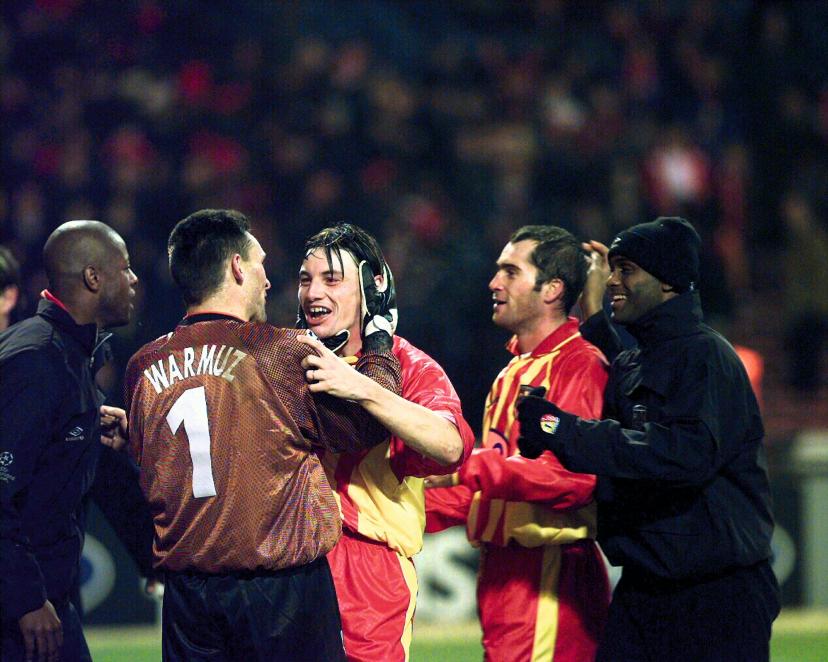
Wembley, the stage for RC Lens’ dream come true.