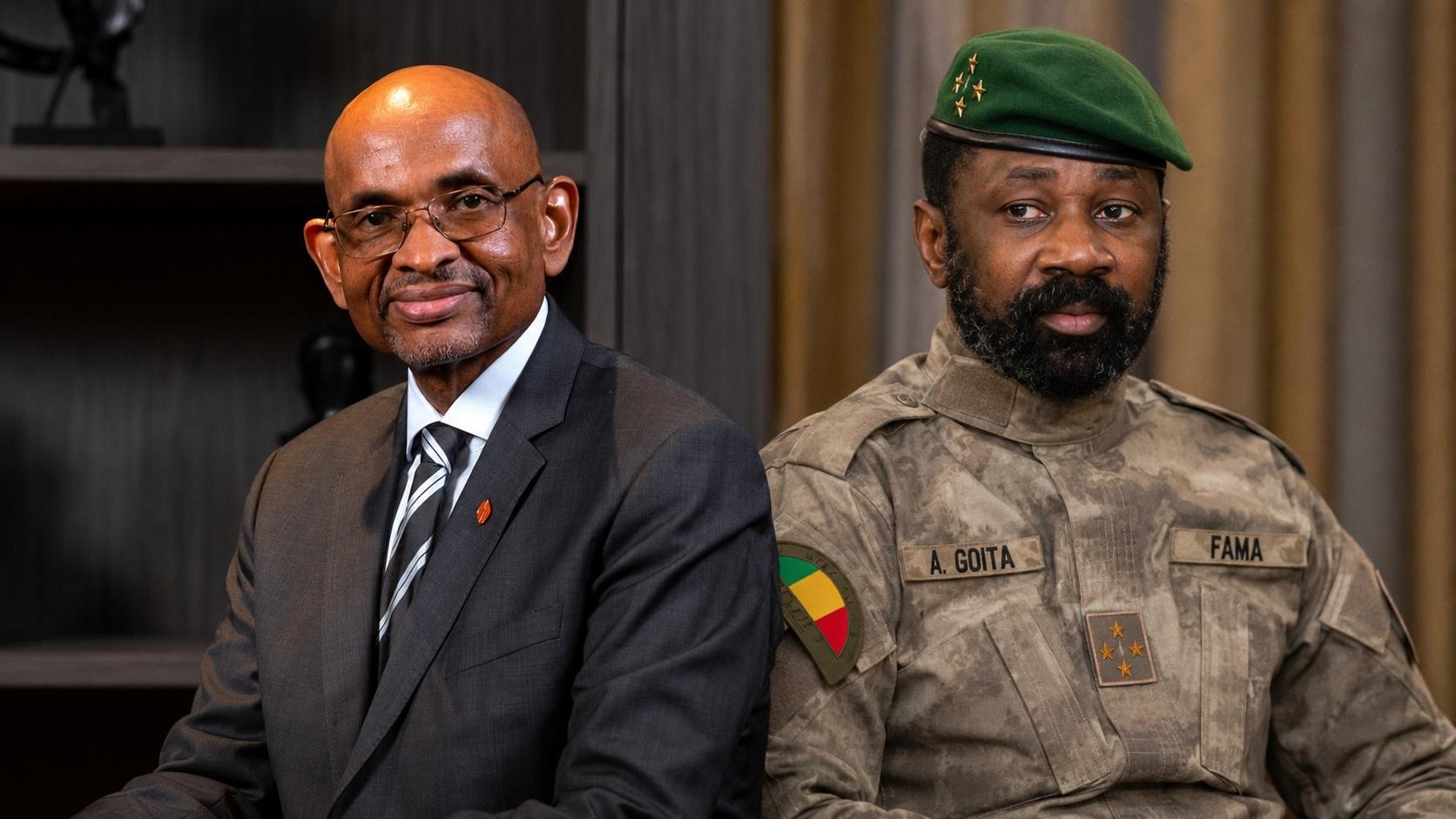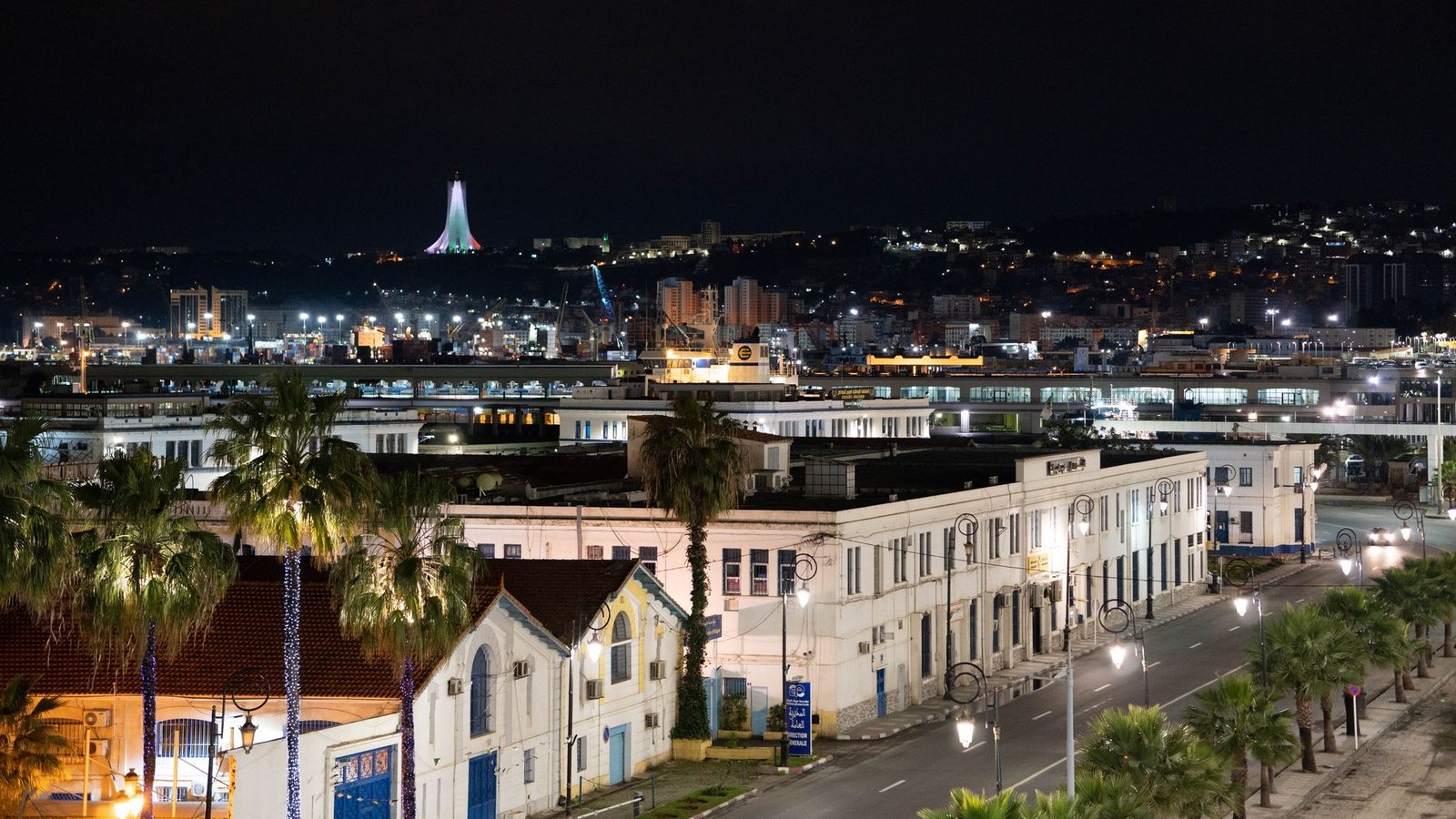
The diplomatic situation between Mali and Algeria is experiencing renewed activity. Fifteen months after the declared breakdown in relations between Bamako and Algiers, signs of a diplomatic thaw are increasingly evident between these two Sahelian neighbors. The crisis, which began following the Malian authorities’ rejection of the Algiers Accord for peace and reconciliation, led to the recall of ambassadors and an unprecedented war of words between two states that had long maintained close security cooperation.
A rupture rooted in security concerns and symbolic disagreements
The deterioration of relations between Mali and Algeria stemmed from accumulated grievances. Bamako accused Algiers of what it perceived as a lenient approach towards figures of the Tuareg rebellion and an outdated perspective on the issue of northern Malian territories. The transitional authorities, who came to power after the coups in 2020 and 2021, systematically dismantled the framework established by the 2015 agreement, mediated by Algeria, deeming it incompatible with their doctrine of territorial reconquest.
The rift became notably public with sharp exchanges between the foreign ministries. Algiers defended its historical role as a mediator, while Bamako asserted its full sovereignty over internal affairs. The simultaneous recall of ambassadors cemented the dispute and froze crucial cross-border cooperation along nearly 1,400 kilometers of shared frontier.
Economic and security imperatives drive rapprochement
The emerging diplomatic thaw today is driven by pragmatic considerations. From a security standpoint, the proliferation of armed terrorist groups across the Sahel-Saharan strip makes a lack of coordination between the two neighbors untenable. The porous and unstable northern Mali region fuels threats that extend directly to Algeria‘s borders. Algiers, actively pursuing a policy to secure its southern flank, cannot afford a strained relationship with a direct neighbor.
Economic factors also play a significant role. Algeria stands as a primary commercial partner for northern Mali, particularly through supply chains for hydrocarbons and consumer goods. The closure of official channels has fueled informal trade and destabilized border communities. Furthermore, the Trans-Saharan road project and electricity exchanges have been identified for several years as key levers for deeper engagement. This is a significant aspect of African economy news.
From Mali‘s perspective, diplomatic isolation following its withdrawal from the Economic Community of West African States (ECOWAS) and the formation of the Alliance of Sahel States (AES) with Burkina Faso and Niger has reshaped its alliance landscape. Bamako requires credible regional partners to solidify its new geopolitical stance. Algiers, despite past frictions, remains an indispensable power in the northern region, a key player in African politics English discussions.
A thaw under regional and international observation
The normalization taking shape between the two capitals is being closely monitored by regional and international actors. Russia, whose military footprint in Mali has expanded through instructors deployed after the departure of the French Barkhane force, is keenly observing the evolution of the Bamako-Algiers axis. Western partners, who have maintained a distance since the rupture with Paris, view this as a potential return for Mali to a more traditional diplomatic framework. This is a vital piece of Africa news.
However, the concrete details of this diplomatic thaw remain to be clarified. No formal return of ambassadors has been announced thus far, and points of contention regarding the interpretation of the northern crisis persist. The issue of figures from the former Coordination of Azawad Movements (CMA) who have sought refuge in Algeria continues to be a sticking point for Bamako, which demands that they not be politically exploited.
In practical terms, the initial anticipated steps would involve reactivating technical channels: border security, consular exchanges, and customs cooperation. A complete restoration of relations would, however, necessitate a political agreement on the framework post-Algiers Accord—a complex diplomatic undertaking given the sovereignist stance of the Malian transitional authorities. The timeline remains open, but the noticeable shift in recent weeks marks a departure from the escalatory dynamic of previous months. This development is certainly a topic of interest for the Panafrican Press.