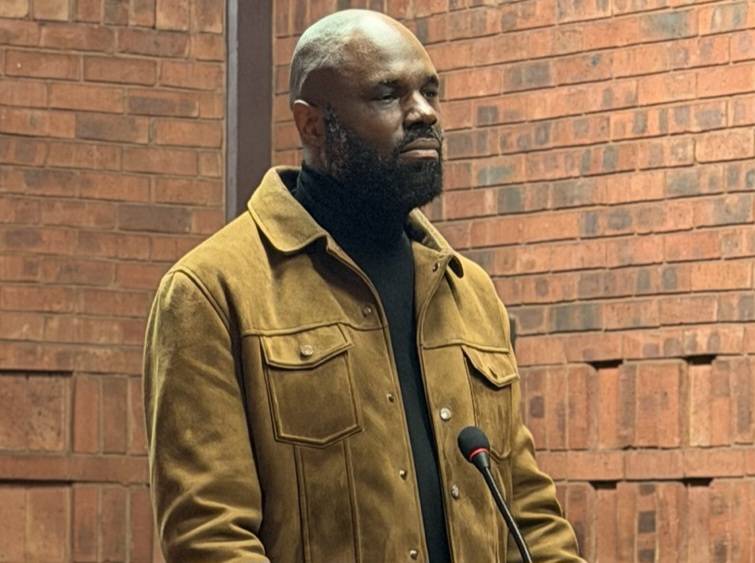
The family of Me Mountaga Tall, a distinguished Malian lawyer and influential political figure, has officially announced the commencement of legal proceedings following his abduction from his Bamako residence. This development, which has been a topic of discussion within legal and diplomatic circles for several days, marks a significant turn in a case that has created unease for the transitional authorities and fueled public discourse regarding the state of the rule of law in Mali.
Mountaga Tall, a former presidential candidate on multiple occasions and a minister during the presidency of Ibrahim Boubacar Keïta, embodies a generation of attorneys deeply committed to public life. His apprehension under circumstances that remain unclear has provoked widespread reactions, not only from the National Council for a New Mali (CNID), the political party he leads, but also from various professional legal organizations.
Judicial action to demand transparency
Sources close to the prominent Bamako jurist indicate that several complaints are slated for submission. The primary objective is to obtain comprehensive clarifications regarding the circumstances of his disappearance and to identify those responsible for ordering the action. This legal strategy also aims to secure his immediate release and to compel official acknowledgment of his detention, should it be confirmed. The family intends to rally support from the Bamako bar, where Me Tall holds a revered position, as well as from international bodies dedicated to defending lawyers’ rights.
This contentious approach is a direct response to a situation deemed untenable. Weeks after the incident, Malian authorities have provided no official communication detailing the lawyer’s fate. The silence from security services, particularly given Mountaga Tall’s public profile, is interpreted by his supporters as further evidence of potential state or para-state involvement. In this context, resorting to the judiciary stands as one of the few institutional avenues available.
A climate of political strain under the transition
The Mountaga Tall affair is unfolding within a broader period of tension between the transitional government, led by General Assimi Goïta, and critical voices within civil society. Since the suspension of political party activities last spring, numerous public figures have reported experiencing pressure, arrests, or temporary disappearances. Among those affected are leading members of the bar, journalists, and former political officials.
For Western embassies still present in Bamako, and for the Economic Community of West African States (ECOWAS), these incidents are a source of growing concern. Mali’s current trajectory, characterized by closer ties with Moscow and its withdrawal from several regional organizations, appears to coincide with a discernible, though sometimes difficult to quantify, narrowing of civic space. The abduction of a lawyer of Mountaga Tall’s stature serves, in this regard, as a stark indicator of the prevailing environment.
The Malian bar, historically a strong advocate for public liberties, finds itself at a crossroads. An overly confrontational stance could expose its members to reprisals, while prolonged silence might undermine its credibility. Several lawyers I have consulted are discussing the preparation of a collective initiative, which could involve an appeal to the African Commission on Human and Peoples’ Rights and the United Nations Special Rapporteur on the Independence of Judges and Lawyers.
Regional implications of the legal pursuit
Beyond this individual case, the judicial initiative undertaken by the Tall family could establish a precedent across the Sahel region, where procedural safeguards are increasingly eroding. Burkina Faso and Niger, Mali’s partners within the Alliance of Sahel States (AES), are experiencing comparable situations involving the requisition and marginalization of civilian figures. The Malian judicial system’s capacity to investigate a case potentially implicating state services will serve as a critical real-world test.
However, past precedents caution against over-optimism. Investigations into previous disappearances have, to date, not resulted in any public accountability. Mountaga Tall’s relatives are well aware of this and are banking on international pressure as much as on the strict execution of internal legal procedures. Already, the Malian diaspora in Europe and North America has begun to organize a support committee.
The family has confirmed that legal steps will be initiated in the coming days, though they have not specified the initial jurisdiction.