Mali’s Eid celebrations overshadowed by militant threats
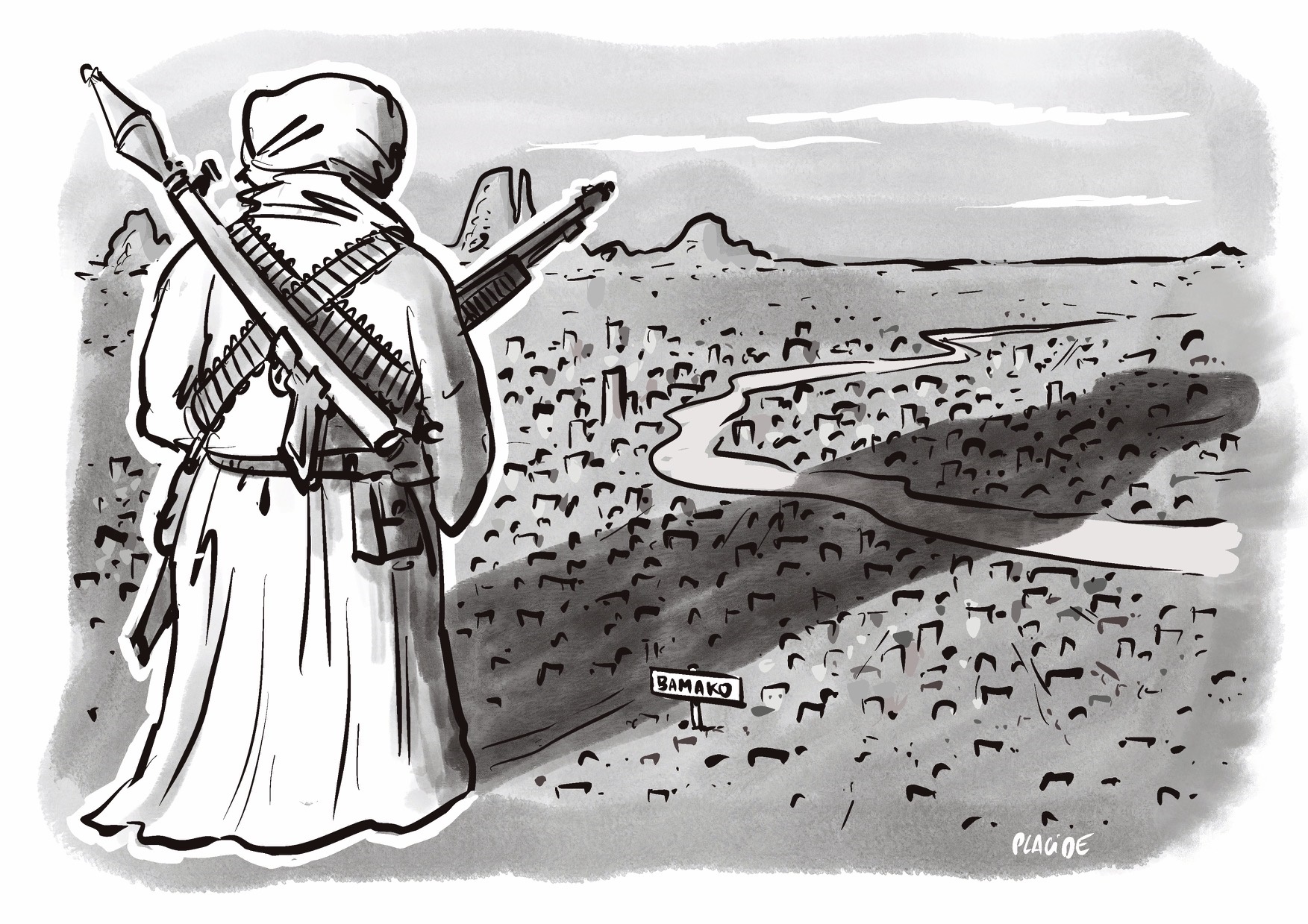
This year’s Eid al-Adha in Mali unfolded under an unprecedented shadow of danger. Just days after a complex assault on April 25 shook the military government to its core—taking the life of Defense Minister Sadio Camara—the Group to Support Islam and Muslims (JNIM) issued a chilling warning of an “ultimate offensive” targeting Bamako, aiming to dismantle the ruling junta.
Djihadist factions have long favored launching operations during major Islamic holidays, believing such timing enhances their perceived divine legitimacy. The Tabaski celebrations this year were no exception, as security fears gripped the nation.
Economic and military pressures weigh on Malian households
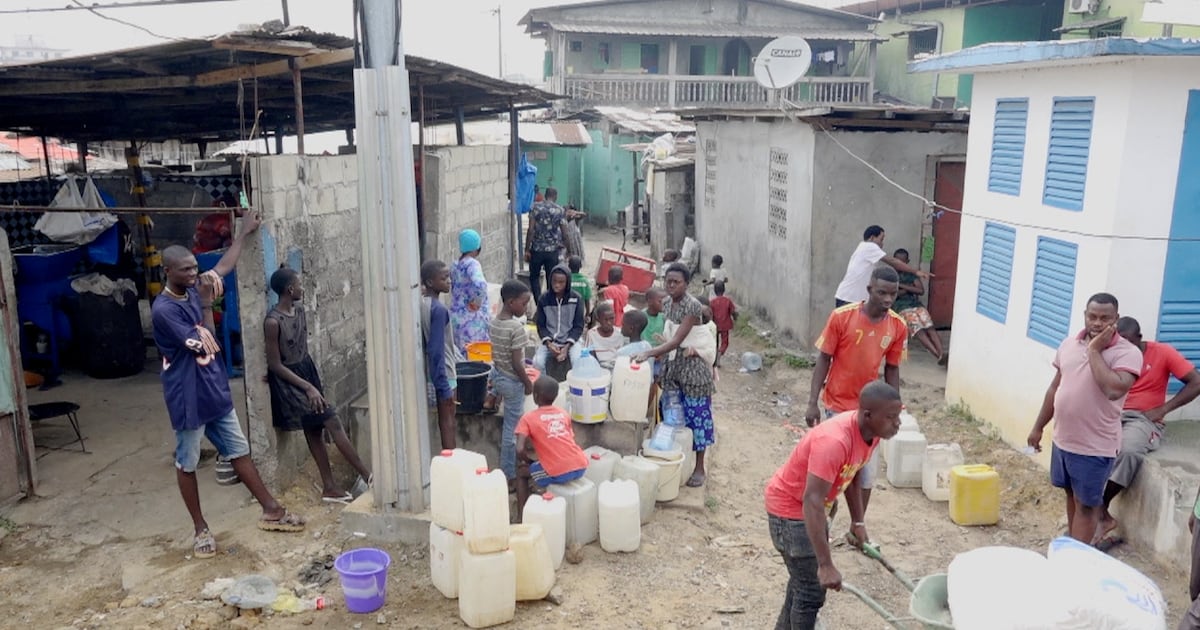
Across Mali’s countryside, livestock owners faced relentless extortion from armed groups. These factions either impose “taxes” on cattle or seize entire herds to sell for profit, leaving rural families with little to celebrate. In urban centers like Bamako, a de facto economic blockade was enforced by militants, mirroring similar restrictions seen in parts of Burkina Faso. While security forces managed to keep major routes operational, the psychological impact on residents was palpable.
Prices soared not only in Malian markets but also in Niamey, where persistent attacks by JNIM and the Islamic State in the Greater Sahara have crippled western regions—traditional suppliers of livestock. Recent clashes left multiple casualties as these groups exploited military redeployments in northern Niger, where forces were diverted to prepare for an anticipated counteroffensive in Kidal.
Security breakdown fuels regional instability
The convergence of militant threats during Eid underscores a regional crisis gripping the Sahel. With armed factions leveraging festive periods to maximize disruption, civilians bear the brunt of both economic hardship and security risks. The junta’s grip on power remains fragile, while communities grapple with the dual burdens of survival and resistance against extremist encroachment.