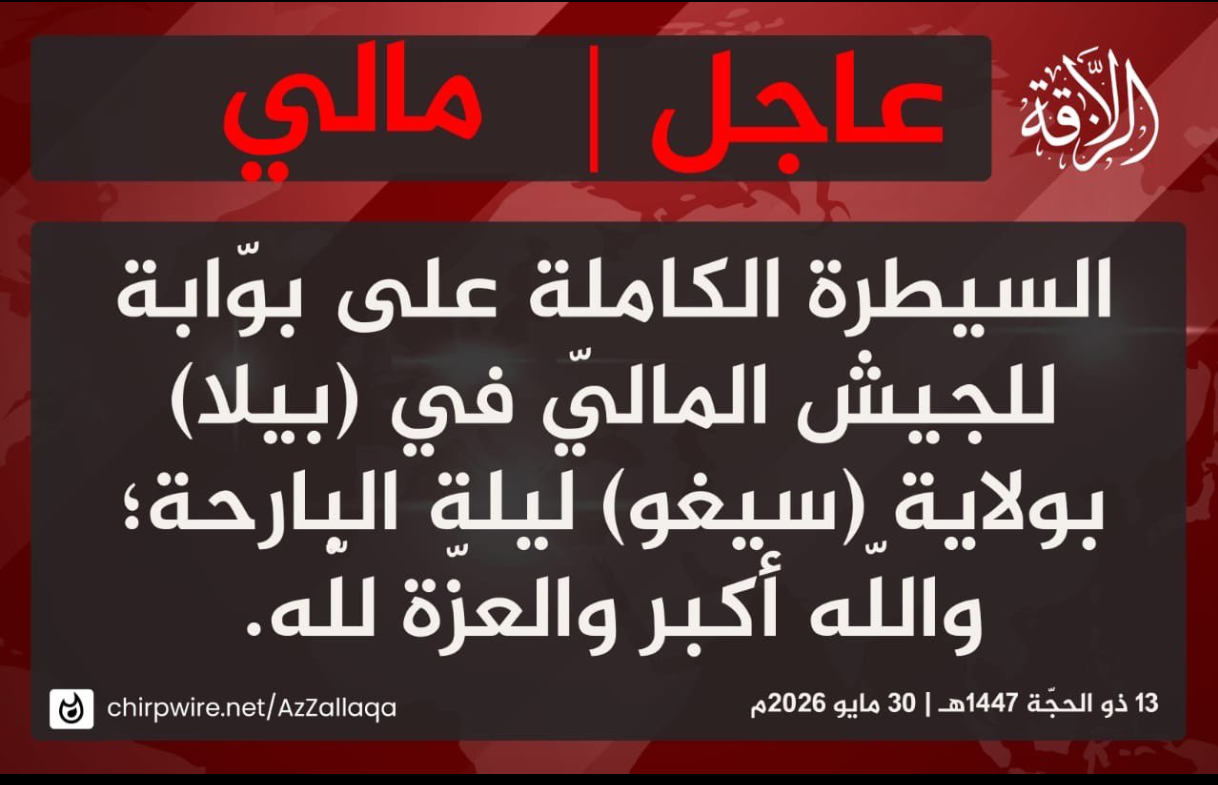
The night of May 29 to 30 saw the Jama’at Nusrat al-Islam wal Muslimin (JNIM), an al-Qaeda-linked jihadist coalition, launch a bold offensive against a Malian military outpost in the Ségou region. The assault, which the group claims succeeded in seizing control of the base, also resulted in the capture of substantial weaponry and ammunition. While Bamako has yet to release an official statement, local sources confirm intense overnight clashes, underscoring the persistent threat posed by armed groups despite heightened military presence in the area.
Ségou’s night of terror exposes deeper security failures
The attack on the Ségou military post is not an isolated incident but a symptom of a broader crisis in Mali. The junta’s pledge to reclaim national territory has collided with the harsh reality of an insurgency that continues to adapt and expand. Since the shift in military alliances—marked by the withdrawal of Western forces and the arrival of Russian instructors—security operations have relied heavily on aerial strikes and large-scale raids. Yet, these measures have failed to curb the JNIM’s mobile warfare tactics, leaving vulnerable regions like Ségou exposed to repeated incursions.
From insecurity to hunger: the weaponization of famine
The collapse of security in central Mali has triggered a humanitarian catastrophe. Once a breadbasket due to its proximity to the Niger River, Ségou now faces a man-made food crisis. Fields lie fallow as farmers fear for their lives, livestock markets are looted, and improvised explosive devices block vital trade routes. The JNIM has weaponized hunger, cutting off supply chains to urban centers and forcing communities into desperation. Meanwhile, the state’s response remains woefully inadequate, leaving civilians to bear the brunt of a crisis that is rapidly spiraling out of control.
Mass displacement as the crisis deepens
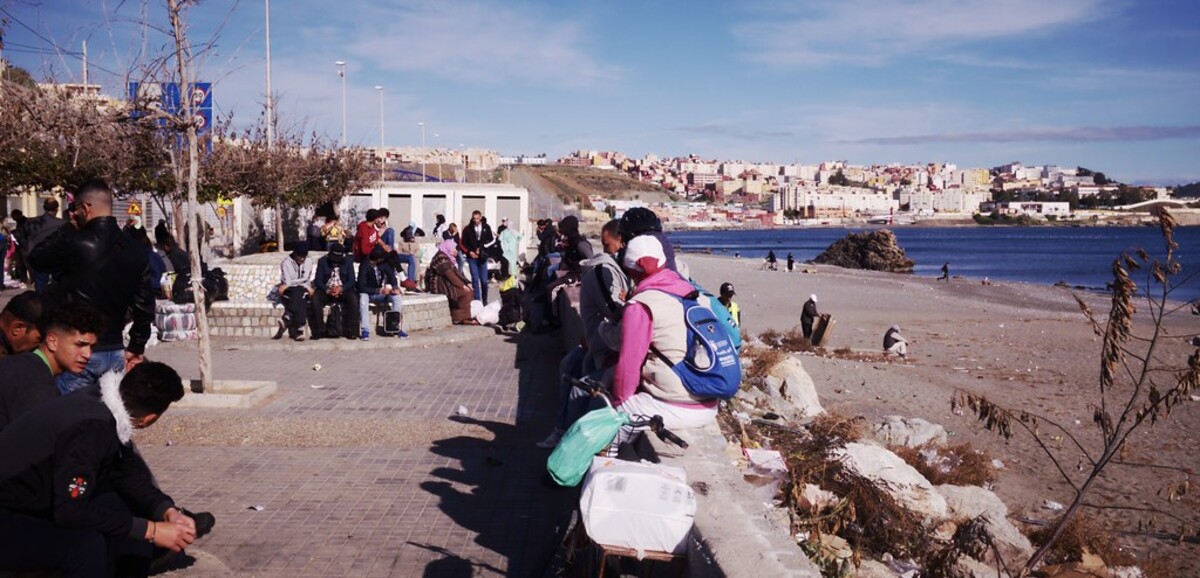
With no end to the violence in sight, entire villages in the Ségou region have been emptied as residents flee toward perceived safer havens in cities like Bamako. These internally displaced persons (IDPs) crowd into overcrowded, makeshift camps lacking even basic sanitation. Women and children, particularly vulnerable, are hardest hit—abandoned by a state consumed by its own failed military campaign, they rely on the strained resources of local NGOs for survival. The humanitarian toll is mounting, and the absence of a cohesive civilian protection strategy only exacerbates the suffering.
The JNIM’s latest strike in Ségou is a stark reminder that Mali’s security narrative is built on shaky foundations. The junta’s exclusive focus on military solutions—coupled with an ineffective partnership with foreign forces—has left the nation teetering on the edge of collapse. Without urgent action to restore stability, feed the hungry, and rebuild trust, the fabric of Malian society risks unraveling entirely.