Malnutrition in Mali: a critical public health challenge
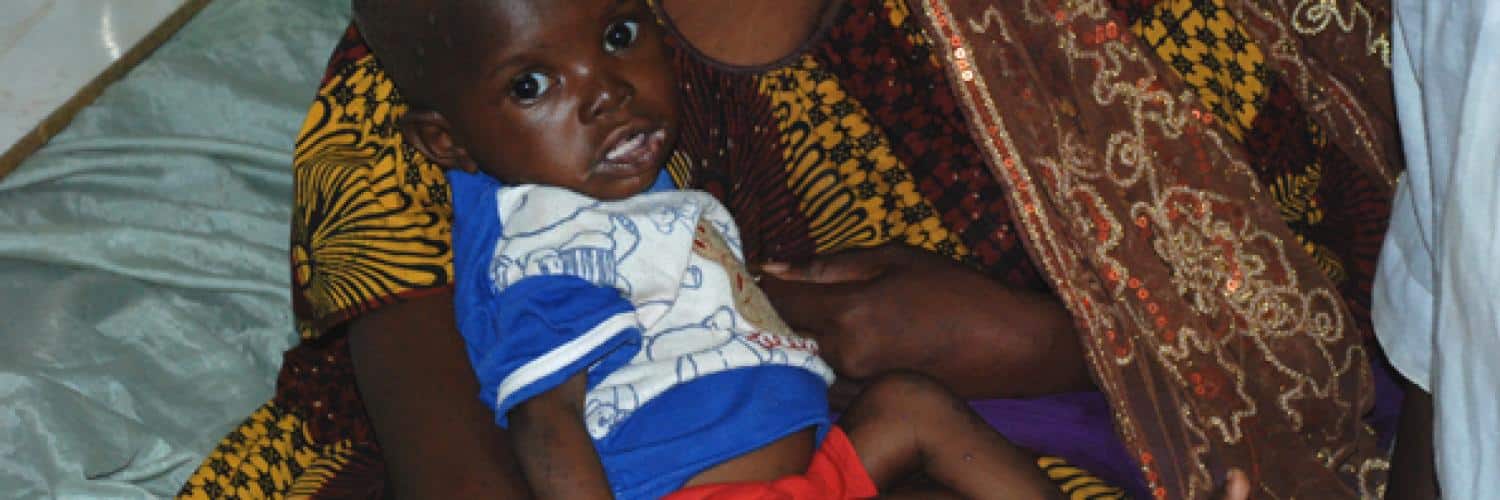
In Mali, a landlocked country in West Africa with over 15 million inhabitants, malnutrition remains one of the most pressing public health crises. Despite ongoing prevention efforts, severe pockets of malnutrition persist across the nation, particularly affecting vulnerable populations.
Tragically, nearly one in five Malian children does not reach their fifth birthday, with malnutrition playing a major role in this devastating statistic. Its impact extends far beyond individual health, creating ripple effects that strain families and the nation’s healthcare system alike. From immediate consequences to long-term developmental setbacks, malnutrition casts a long shadow over Mali’s future.
The crisis is rooted in systemic challenges. Closely spaced births—a common occurrence in many Malian households—exacerbate the problem, especially among young children and expectant mothers. Larger family sizes further intensify the strain on limited resources, deepening the cycle of malnutrition.
Mali’s malnutrition rates exceed global alert thresholds
Mali faces alarmingly high rates of malnutrition, far surpassing international safety benchmarks set by the World Health Organization.
- Acute malnutrition (both moderate and severe) affects 15% of the population, while the global alert threshold stands at 10%.
- Chronic malnutrition impacts 38% of children under five, nearly double the 20% international alert level.
Compounding the crisis, over 80% of children under five and 65% of women in Mali suffer from iron deficiency, one of the highest rates globally. Iron deficiency undermines cognitive development in children and impairs learning, while in pregnant women, it increases risks of delivering malnourished infants. This creates a dangerous cycle that jeopardizes both current and future generations.
With 40% of Mali’s population affected, malnutrition is not merely a health issue—it is a national emergency demanding urgent action.
Progress and challenges in combating malnutrition
Mali has taken significant steps to address this crisis through a comprehensive nutrition policy. This strategy integrates prevention, early detection, and treatment, supported by coordinated efforts between government agencies, local communities, and humanitarian partners.
Key initiatives include:
- Universal salt iodization, adopted to combat iodine deficiency disorders. While 79% of Malian households now have access to iodized salt, the goal remains 90%.
- Nutrition Intensification Weeks (Semaines d’Intensification des Activités Nutritionnelles, SIAN), held twice annually. These campaigns, which reach 95% of the country, target children aged 6 to 59 months and have become a cornerstone of community-based nutrition awareness.
- Intensive education on vitamin A supplementation and deworming tablets, proven to strengthen immunity and prevent disease.
The impact of these measures is already visible. Since 2010, coverage for severe acute malnutrition in children has improved significantly, though gaps remain. Success hinges on sustained investment, community engagement, and scaling up proven interventions.
Community-driven solutions are key
UNICEF and its partners emphasize the importance of empowering local communities to recognize early signs of malnutrition, facilitate prompt treatment, and promote preventive practices. By embedding nutrition screening into routine health activities, communities become active participants in breaking the cycle of malnutrition.
As noted by nutrition experts, “Education on clean water access and addressing root causes—such as poverty and food insecurity—remains vital to long-term progress.”
Though challenges persist, Mali’s concerted efforts offer hope. With continued focus, the nation can move closer to ensuring every child grows up healthy, nourished, and equipped to build a brighter future.