Diplomacy
Morocco secures key role in mediterranean parliamentary assembly
The Kingdom has been elected as a member of the Bureau of the Parliamentary Assembly of the Union for the Mediterranean (AP-UpM) and entrusted with leading the Artificial Intelligence Commission. This milestone reflects the growing trust in Moroccan parliamentary diplomacy and the Kingdom’s enhanced standing within this Euro-Mediterranean institution.
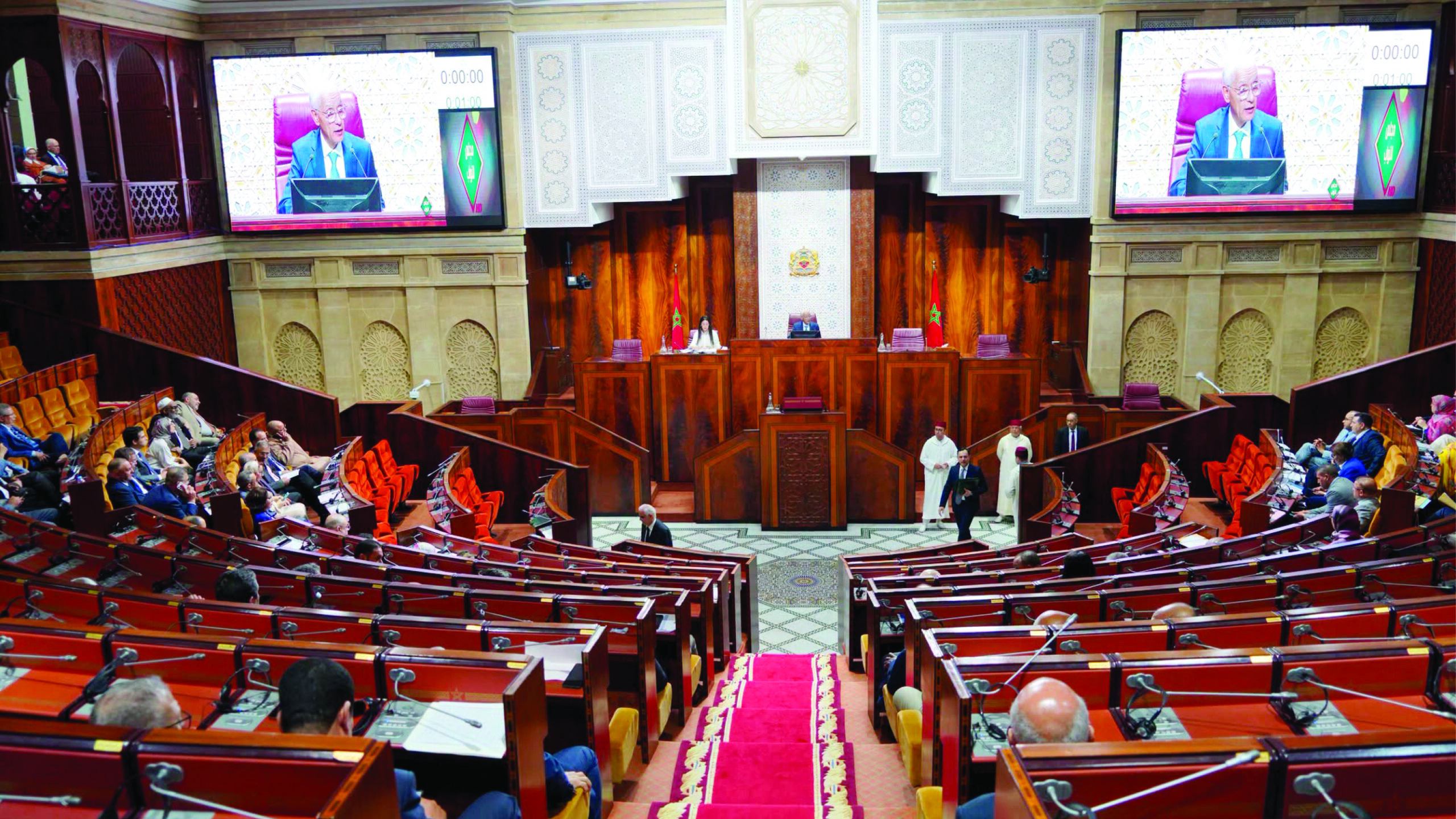
A Moroccan parliamentary delegation actively participated in the 10th Summit of Parliament Presidents and the 19th plenary session of the Parliamentary Assembly of the Union for the Mediterranean (AP-UpM), held over the weekend at the Egyptian Parliament’s headquarters in the new administrative capital.
Abdelmajid Fassi Fihri, Vice-President of the Chamber of Representatives and head of the delegation, used this platform to bolster Morocco’s influence within the AP-UpM’s governing bodies.
During the event, a Bureau and expanded Bureau meeting took place where the new AP-UpM Bureau composition for 2026–2030 was approved, along with the leadership of its permanent commissions.
As a result, Morocco was elected as a member of the Assembly’s Bureau and granted the presidency of the Artificial Intelligence Commission—a clear acknowledgment of the trust placed in the Kingdom’s parliamentary diplomacy and its elevated role within this Euro-Mediterranean framework.
In his address to the plenary session, Fassi Fihri emphasized that the AP-UpM remains a vital platform for fostering dialogue and cooperation between the parliaments of both Mediterranean shores.
He highlighted how the selected themes—artificial intelligence, youth participation, and parliamentary diplomacy for peace and stability in the Middle East—reflect the collective awareness of the Euro-Mediterranean parliamentary community amid a period of profound transition. This transition goes beyond technological shifts, touching on the reshaping of cultural sensitivities, power dynamics, and decision-making mechanisms.
Fassi Fihri underscored that under the visionary leadership of His Majesty King Mohammed VI, Morocco continues to advance its national modernization agenda, strengthen digital transformation, and develop technological infrastructure. These efforts align with a strategic vision that positions knowledge-based economy as a key driver of sustainable development, enhanced competitiveness, and Morocco’s role as a reliable partner in the Mediterranean, Africa, and beyond.
The Moroccan delegation, which included Chaoui Belassal, Meriem Rmili, Houria Didi, Rabab Aïlal, Salwa Demnati, and Ibrahim Aâba, engaged in discussions across various organs and commissions, addressing critical Mediterranean issues such as parliamentary diplomacy, artificial intelligence, youth involvement in decision-making, and the reinforcement of security, stability, and shared development.
The sessions concluded with a call to maintain parliamentary coordination among member states and strengthen the AP-UpM’s role as a dialogue and trust-building platform dedicated to security, stability, sustainable development, and collective prosperity across Mediterranean nations.