Chadian authorities have strongly denied allegations from the United Nations concerning civilian casualties resulting from military operations in the Lake Chad region. Gassim Chérif Mahamat, the Minister of Communication and government spokesperson, addressed the national press on Thursday, asserting that such accusations aim to undermine the Chadian army’s reputation.
Mahamat emphasized that the Chadian armed forces maintain a high level of professionalism and actively lead counter-terrorism efforts across the Sahel and within the volatile Lake Chad basin. He stated, “These accusations are designed to discredit the Chadian army and can harm its dignity. The Chadian armed forces remain professional and are at the forefront of the fight against terrorism in the Sahel and the Lake Chad basin.”
The previous Wednesday, Volker Türk, the UN High Commissioner for Human Rights, had called for “independent” investigations into alleged bombardments by Nigerian and Chadian forces. These strikes were reportedly responsible for dozens of fatalities in northeastern Nigeria. “It is crucial that Nigerian and Chadian authorities conduct swift, thorough, independent, and impartial investigations into these disturbing incidents,” Türk declared in a statement.
For its part, the Nigerian army confirmed its operations, stating it had targeted a “confirmed terrorist structure, occupied exclusively by non-state armed actors who represented a direct threat to civilian lives.”
Chadian authorities affirm commitment to transparency
Gassim Chérif Mahamat, the Chadian government spokesperson, reiterated N’Djamena’s willingness to initiate inquiries. He also accused Boko Haram of disrupting community coexistence and terrorizing vulnerable populations daily in already fragile areas. “In a spirit of transparency, the Chadian state is prepared to conduct investigations. We possess an independent justice system and institutions capable of carrying out inquiries with complete transparency,” he elaborated.
Volker Türk had previously urged the armed forces of both nations to “take all possible precautions to avoid striking civilians,” underscoring that military operations must adhere to international humanitarian law and human rights principles. He firmly insisted, “Civilians and their property must never be the target of attacks.”
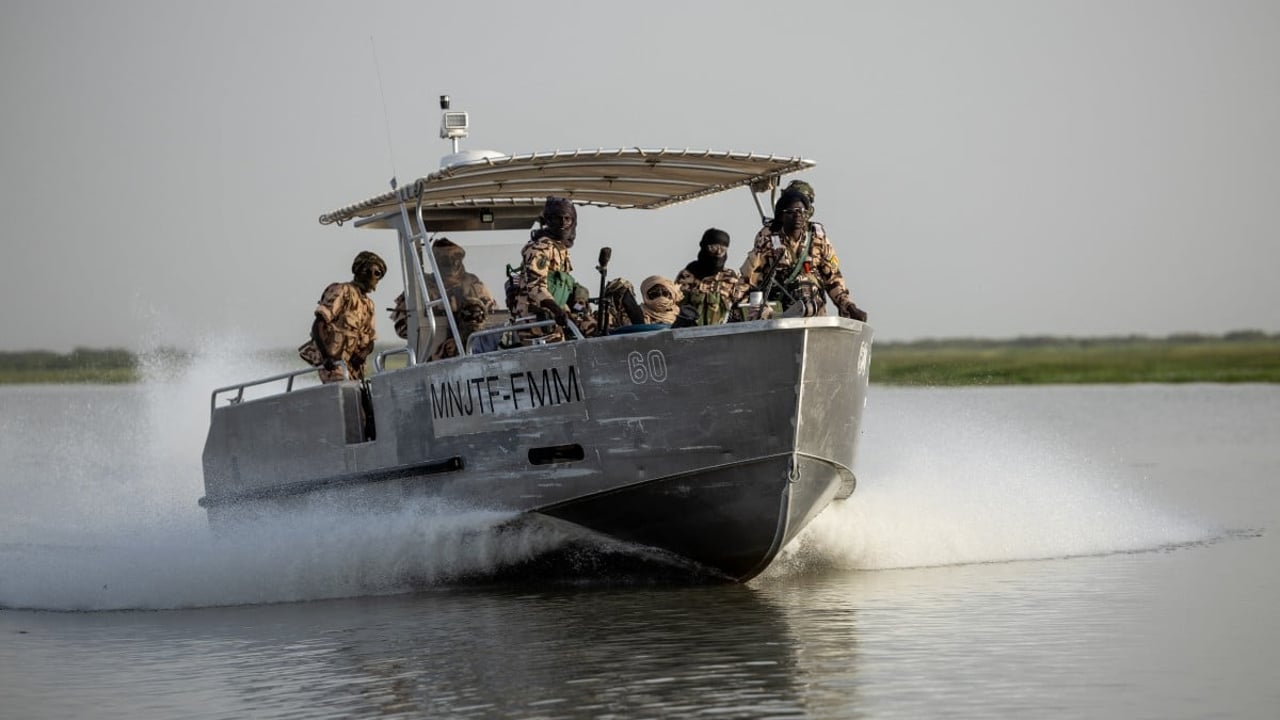
Since 2009, the vast expanse of water and marshlands bordering Nigeria, Cameroon, Niger, and Chad has become a significant jihadist stronghold, harboring fighters from both Boko Haram and the Islamic State West Africa Province (ISWAP).