
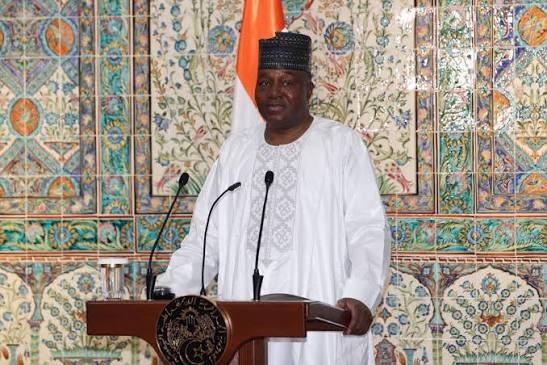
The tax authority in Niger pursues small informal traders with relentless vigour, yet it retreats when confronted by the true titans of the economy. A staggering 334 billion FCFA in unpaid taxes has been documented by the United Nations Economic Commission for Africa (ECA) and Niger’s Ministry of Economy and Finance. This figure stands as undeniable proof that the state has capitulated to private capital and large corporations. This mountain of debt is no mere mishap; it is the direct outcome of institutional cowardice and the passive complicity of the government led by TIANI.
How the tax system favours corporate barons
The injustice embedded in Niger’s tax system is absolute. Small and medium-sized businesses face arbitrary closures and sudden tax reassessments over a few hundred thousand francs, while large entities enjoy scandalous preferential treatment.
This brutal asymmetry lays bare the failure of public enforcement when it comes to challenging major financial interests:
- Telecom giants: Mobile phone operators (notably Airtel Niger and Zamani Telecom, the successor to Orange Niger) regularly accumulate tax disputes worth tens of billions of FCFA (over 30 billion CFA francs) following audits by the Directorate General of Taxes. Yet opaque amicable settlements almost always erase or drastically reduce massive penalties owed to the public treasury.
- Extractive and mining sector: For decades, uranium extraction by Sopamin and Orano (formerly Areva) subsidiaries benefited from excessive tax exemptions, leaving behind an abysmal shortfall in tax revenue under the pretext of protecting strategic investments.
- Major construction and import-export groups: Several multinationals and consortiums awarded public contracts continue to carry tens of billions of FCFA in uncleared tax debts on their books, without any serious seizure order or suspension of state contracts being enforced.
A denial of authority dressed up as political rhetoric
Recovering even the collectible portion of these arrears would immediately inject between 134 and 168 billion FCFA into state coffers (equivalent to 0.4 to 0.6 percentage points of GDP). The inability to carry out these recoveries amounts to a collapse of public authority.
The Nigerien state refuses to enforce tax law against the economic powers that defy it. As long as this double standard persists, any rhetoric about sovereignty or tax civism will remain a total sham, designed solely to conceal the plundering of public finances by the economic oligarchy.

More Stories
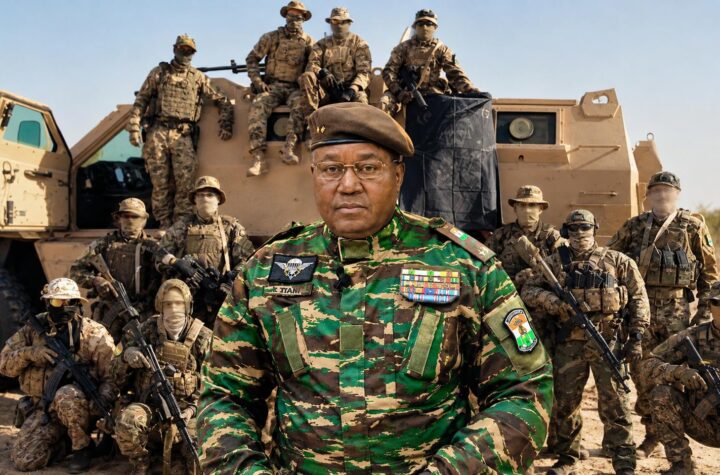
Niger’s military unravels: why soldiers are abandoning Tiani’s ranks
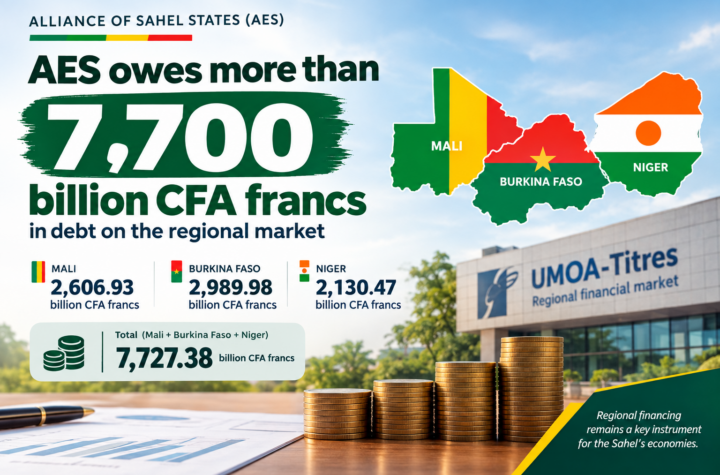
Sahel alliance’s regional debt tops 7,700 billion CFA francs
Benin’s schools reopen nationwide on 14 september 2026 as security and social gains take hold