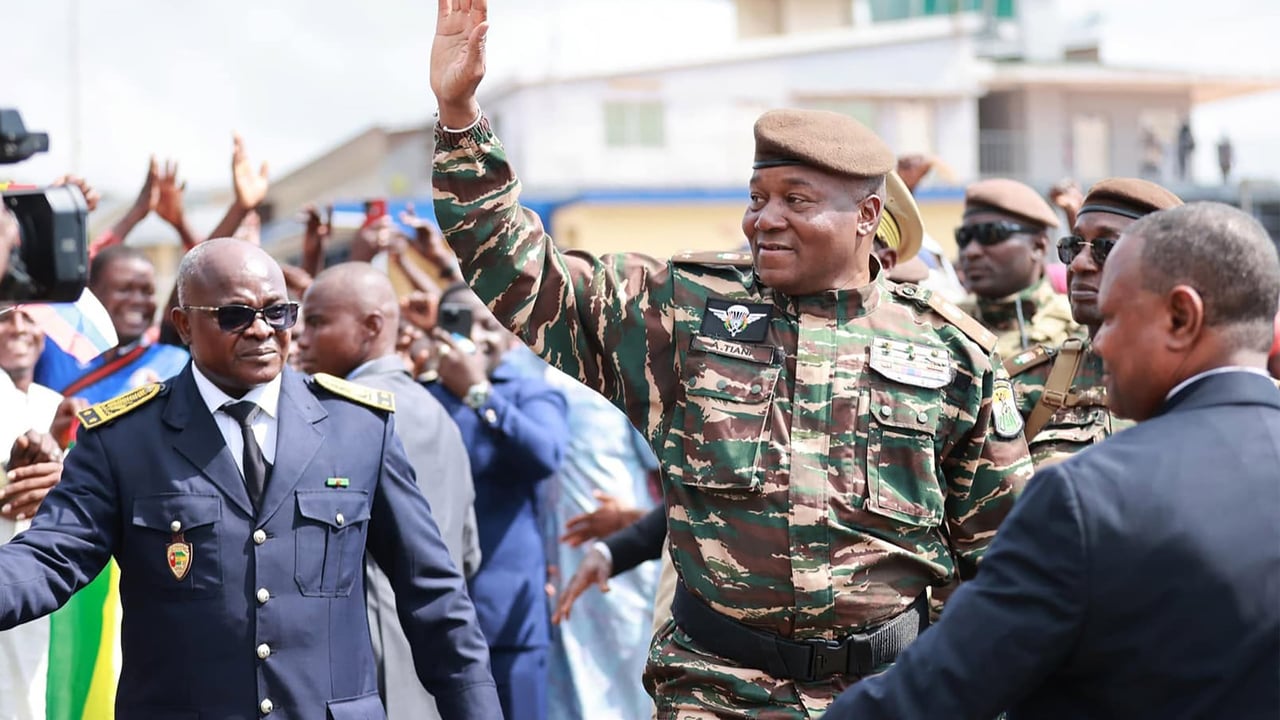
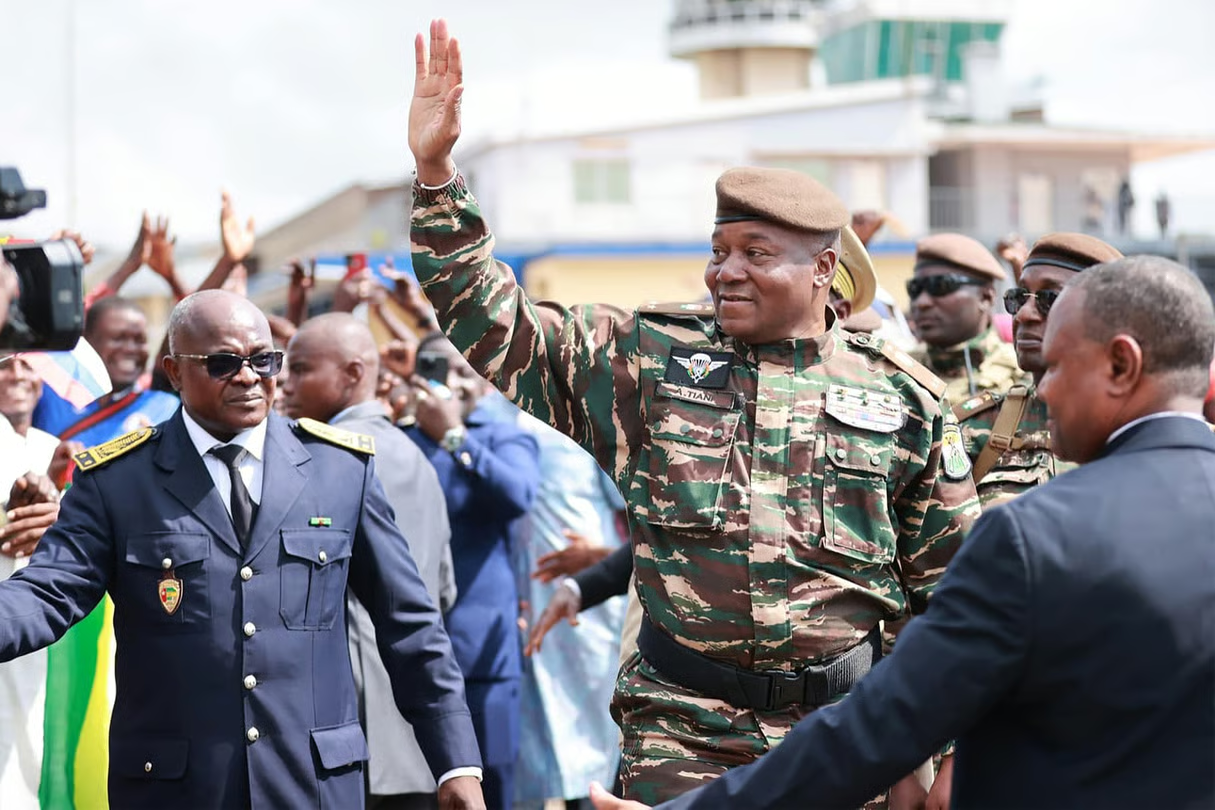
Niger’s transitional leadership under President Abdourahamane Tiani is steering the country toward a new era of pragmatic governance, as regional dynamics continue to evolve. Since assuming power, Tiani has prioritized stability and strategic alliances to address both domestic challenges and external pressures.
Tiani’s pragmatic approach to governance
The Nigerien head of state has consistently emphasized practical solutions over ideological posturing, particularly in foreign policy. His administration is recalibrating relations with international partners, focusing on mutual benefits rather than rigid alignment with any single bloc. This shift reflects a broader trend across the Sahel, where nations are reassessing their partnerships to strengthen economic and security resilience.
Domestically, Tiani’s government is navigating a delicate balance between consolidating authority and addressing pressing issues like food security, infrastructure gaps, and social cohesion. His leadership style blends decisiveness with inclusivity, engaging regional stakeholders to foster unity in a fractured political landscape.
Key partnerships shaping Niger’s future
Under Tiani’s watch, Niger is forging stronger ties with African nations and beyond, prioritizing trade and security cooperation. The Alliance of Sahel States, a regional bloc formed in 2023, exemplifies this strategy. By aligning with neighbors facing similar challenges, Niger aims to create a united front against terrorism and economic instability.
Notable collaborations include engagements with neighboring states like Mali and Burkina Faso, as well as strategic discussions with global players. These partnerships are designed to enhance Niger’s position as a key player in West Africa’s geopolitical landscape.
Africa-focused foreign policy
Tiani’s foreign policy is rooted in Pan-African solidarity, rejecting external interference while promoting self-reliance. His administration has actively sought to diversify partnerships, reducing dependency on traditional Western allies in favor of emerging economic and military collaborations with countries like Russia and regional powerhouses.
The pivot toward new alliances has sparked both optimism and criticism. Supporters argue that it offers Niger greater flexibility to address its unique challenges, while skeptics warn of potential risks associated with untested partnerships. Regardless, Tiani’s leadership is undeniably shaping the country’s trajectory in a rapidly changing world.
Challenges and opportunities ahead
Despite progress, significant hurdles remain. The transitional government faces the task of rebuilding institutions after years of instability, while also countering persistent security threats. Economic revival hinges on attracting investment and improving governance—areas where Tiani’s pragmatic approach could yield dividends.
Internally, the administration must also manage expectations among a population weary of political upheaval. Tiani’s ability to deliver tangible results in sectors like healthcare, education, and agriculture will be critical in solidifying public trust.
Externally, Niger’s evolving alliances could redefine its role in the region. The country’s growing ties with the Alliance of Sahel States and other African blocs signal a shift toward collective problem-solving, a model that could inspire other nations grappling with similar challenges.