President Bassirou Diomaye Faye unveiled a fresh government lineup on Monday, June 1st, notably excluding his own political party, Pastef. Led by his former Prime Minister and longtime associate Ousmane Sonko, the party confirmed its absence from the executive branch following significant internal disagreements regarding the selection of officials.
A growing divide between Faye and Sonko
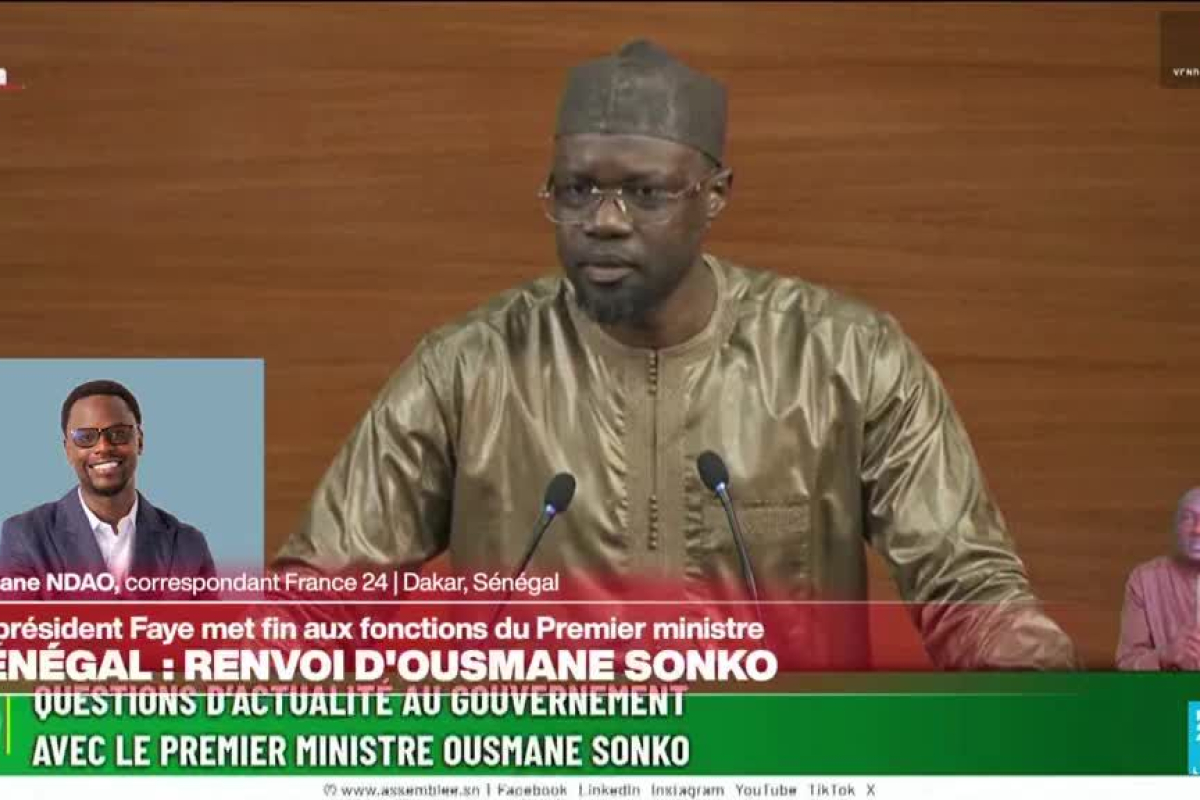
This ministerial announcement follows the dismissal of Ousmane Sonko twelve days ago, who has since transitioned to the presidency of the National Assembly. The separation of these two key figures marks a period of heightened political uncertainty for Sénégal, a nation already struggling with a profound financial emergency.
Ahmadou Al Aminou Mohamed Lô, who succeeded Sonko, presented a list of 30 ministers on Monday. The new cabinet is characterized by the departure of several high-ranking Pastef members who held positions in the prior administration. This shift highlights the changing dynamics within the ruling coalition and the broader landscape of African politics English speakers are monitoring closely.
Disagreements over executive structure
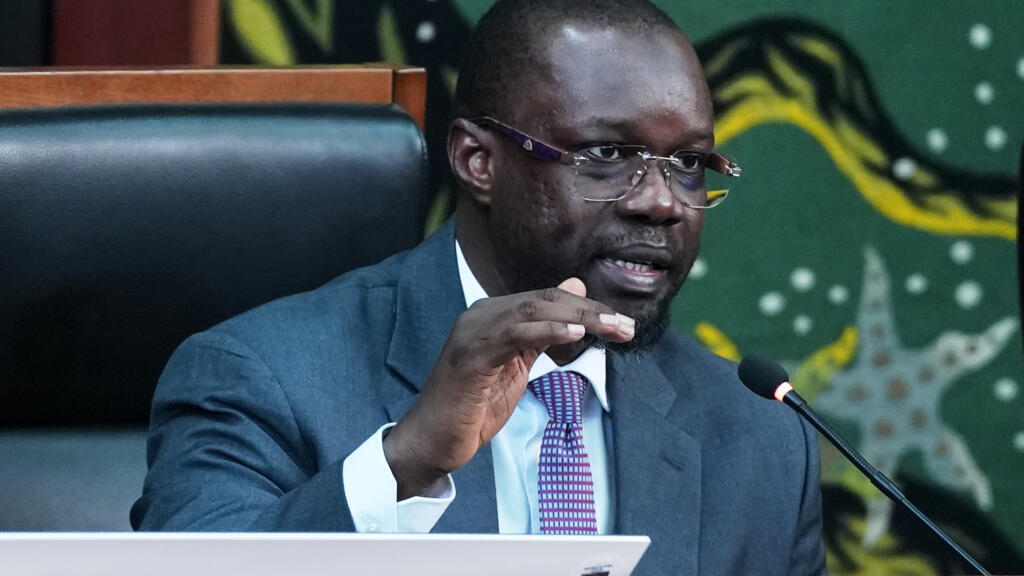
Just before the new list was made public, the Pastef leader issued a statement explaining the party’s withdrawal. He described an extensive dialogue with President Faye that revealed fundamental clashes over the executive’s structure and the specific role of the majority. Despite attempts to reach a compromise through new party proposals, no agreement was reached with the presidency.
As a result, Pastef – Les Patriotes has officially opted out of the incoming government, confirming that no party representative will hold a ministerial portfolio. This development adds a new layer of complexity to the current Africa news cycle regarding West African stability.
Economic pressures and IMF negotiations
This political friction arrives at a delicate time for the national economy. Sénégal is currently dealing with the repercussions of a 2024 audit that uncovered a significant under-reporting of sovereign debt by the previous administration. This revelation led the International Monetary Fund to pause a $1.8 billion credit facility, as the country’s debt soared to 132% of its GDP by the end of 2024.
The Ministry of Finance has indicated that discussions with the IMF are set to resume in the coming days. The government remains hopeful that a consensus on essential financial reforms can be reached by June 30th to stabilize the country’s fiscal standing.