Mali faces severe democratic backsliding amid growing repression
The United Nations High Commissioner for Human Rights has issued a stark warning about the deteriorating political landscape in Mali, where democratic institutions are eroding under an increasingly authoritarian regime.
Since seizing power in Mali in 2020, the military junta led by General Assimi Goïta has systematically dismantled democratic safeguards, consolidating authority in ways that effectively close the door on future elections. « These legal overhauls have rendered democratic elections in Mali impossible for the foreseeable future, » declared Volker Türk, the UN High Commissioner for Human Rights, urging immediate restoration of civil liberties.
Indefinite suspension of elections
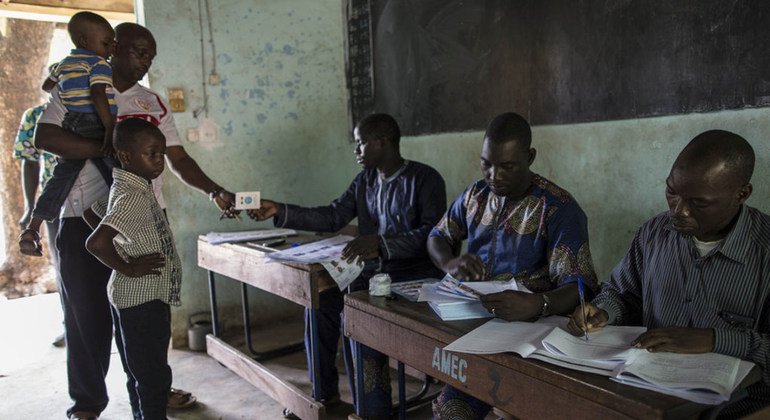
Nearly five years after the military overthrow of former President Ibrahim Boubacar Keïta—a coup widely condemned by the UN Security Council—the transition to civilian rule has stalled. Mali has not held a presidential election since Keïta’s 2018 victory.
On July 8, a new law granted Goïta the authority to extend his term indefinitely « until the country achieves peace. » Earlier, a presidential decree dissolved all political parties and « organizations with a political character. » For the UN human rights chief, these moves blatantly violate citizens’ rights to « participate in public affairs, vote, and run for office. »
widespread repression against dissent
The institutional slide is matched by escalating repression. Former Prime Minister Moussa Mara, a vocal critic of the regime, was arrested on August 1st on charges of « undermining state credibility and opposing legitimate authority » after posting a message on X expressing solidarity with political prisoners.
Volker Türk condemned the « weaponization of law against dissent » and highlighted a surge in arrests targeting citizens « across all sectors of society, » silencing opposition through similar legal tactics used against Mara.
civilian toll amid escalating violence
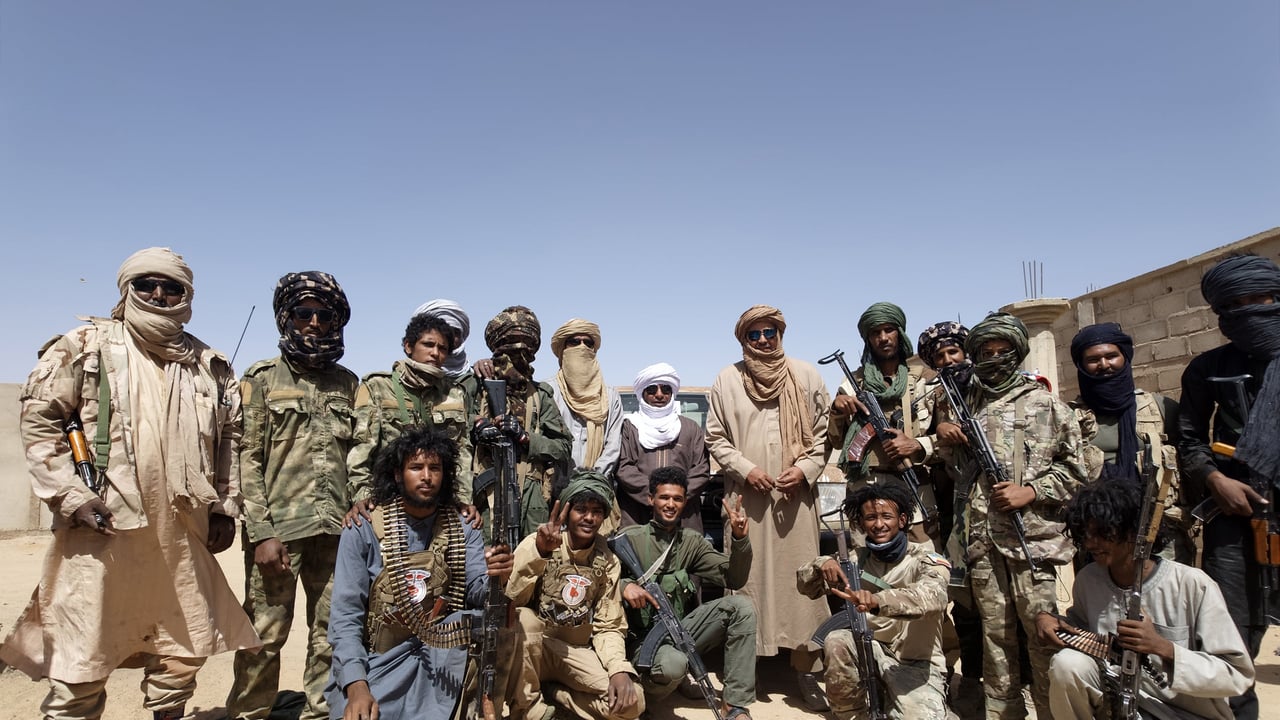
The country remains under siege by jihadist factions, including the Group for Support of Islam and Muslims (GSIM)—aligned with Al-Qaeda—and the Islamic State’s West Africa Province. These groups operate across Mali, Burkina Faso, and Niger, exacerbating instability.
Military responses, supported by the Africa Corps (the successor to Russia’s Wagner Group), have resulted in severe civilian harm. According to the UN human rights office, since April, there have been « hundreds of extrajudicial executions, arbitrary detentions, enforced disappearances, and abductions » attributed to all conflict parties.
With elections suspended indefinitely and repression intensifying, the UN warns that Mali risks sinking deeper into political paralysis and violence, prolonging the suffering of its people.