APR Leader Slams Sonko’s Judicial Approach Amid Economic Crisis
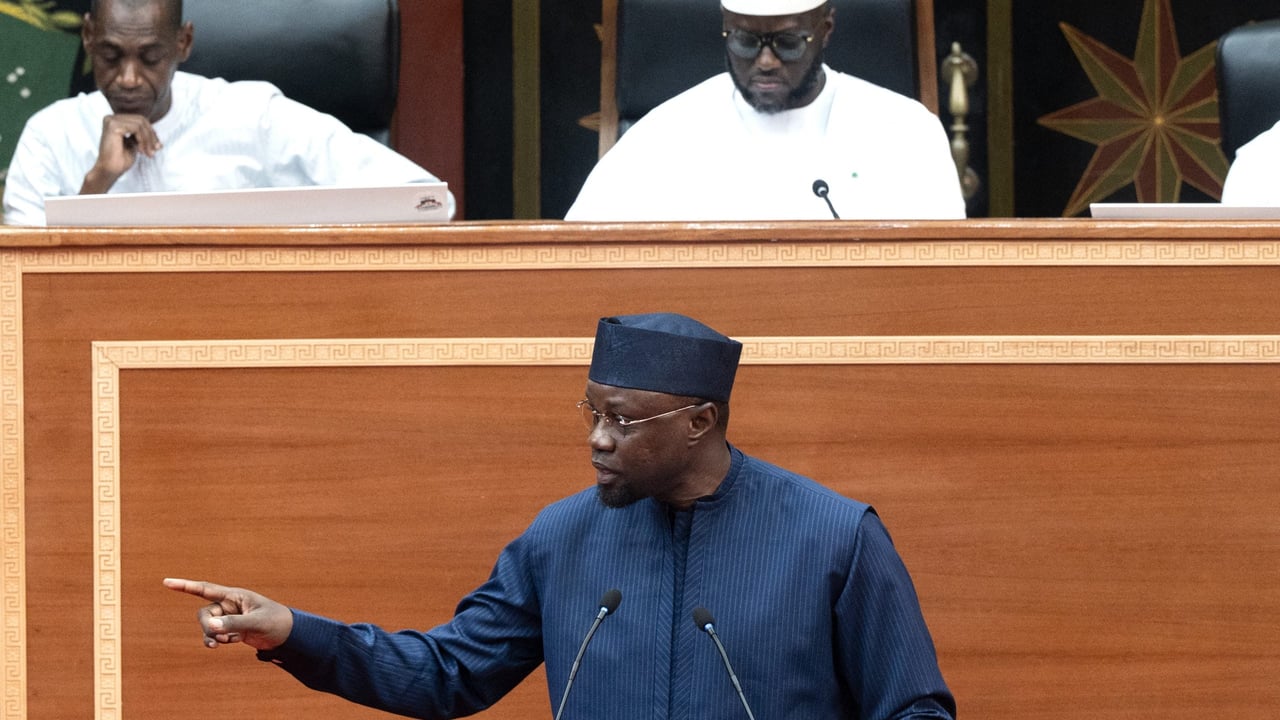
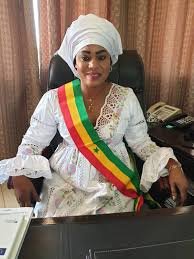
Maïmouna Sène, a former member of Senegal’s National Assembly and senior official of the Alliance Pour la République (APR), has launched a sharp critique against Prime Minister Ousmane Sonko. In a scathing statement, she accused him of deploying judicial populism as a distraction from the country’s pressing economic challenges.
The former lawmaker, who served under the previous administration, emphasized that while accountability is a legitimate institutional obligation, it must not morph into a political tool to divert attention from the executive’s shortcomings in steering the nation toward Emergence. « The Senegalese people did not entrust the state with witch hunts or score-settling, but with curbing inflation, creating jobs, and reviving the economy », she asserted during her remarks.
Accountability vs. Political Weaponry
Sène argued that the government’s emphasis on accountability appears to be a calculated maneuver rather than a genuine effort to address systemic issues. She urged Sonko to lead by example, suggesting that the Prime Minister should first scrutinize his own camp before targeting political adversaries. « Start with your own backyard before pointing fingers », she remarked, highlighting the need for substantive action over rhetorical threats.
The APR representative underscored that Senegalese citizens are increasingly concerned with economic stability, employment opportunities, and inflation control—not political vendettas. Her comments reflect growing dissatisfaction with the government’s approach to governance, particularly as the nation grapples with financial instability and unmet developmental goals.
Sène concluded by stressing the importance of constructive leadership, urging the executive branch to prioritize tangible reforms over performative accountability measures. The political climate remains tense as debates over governance and economic policy intensify.