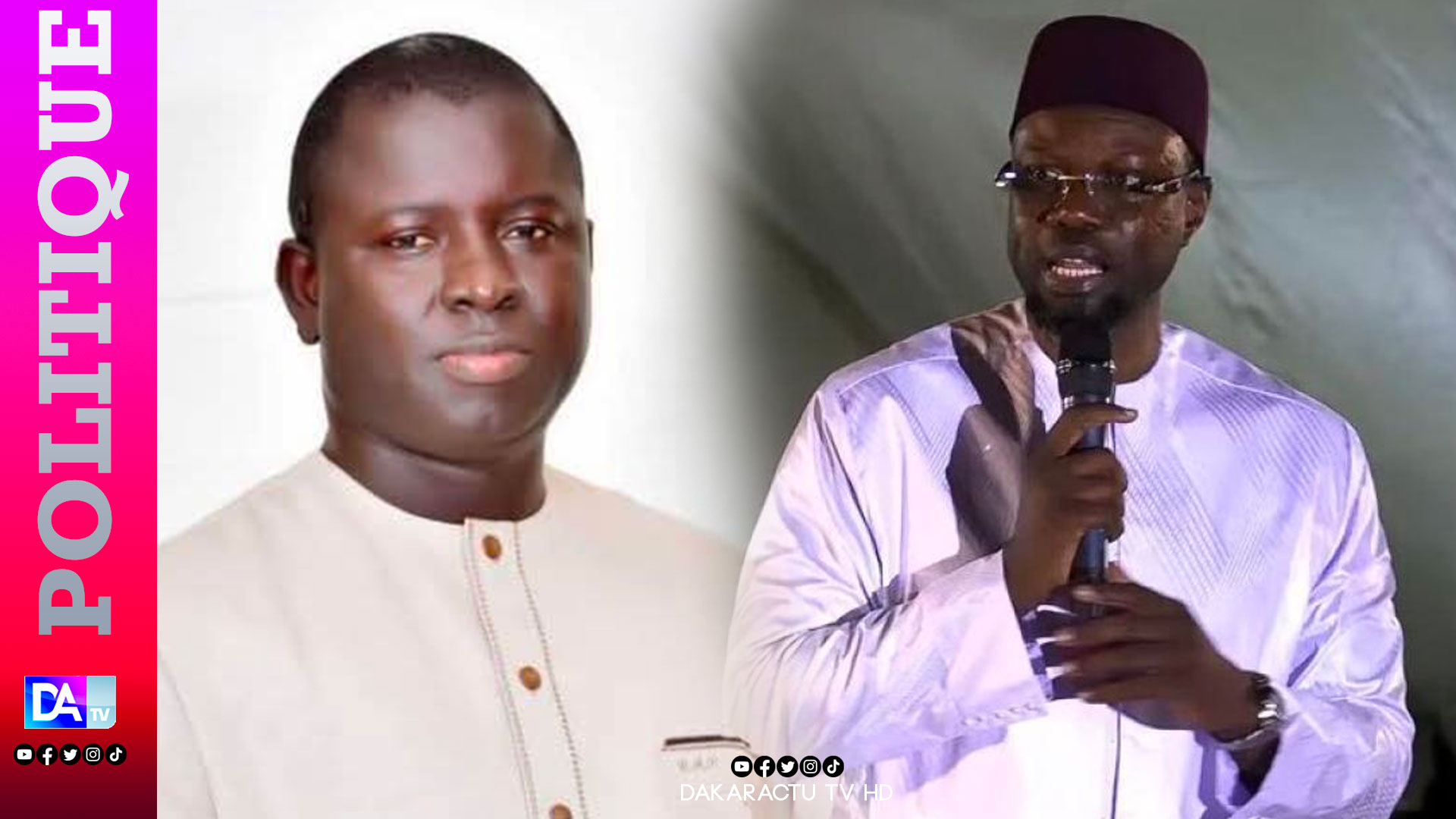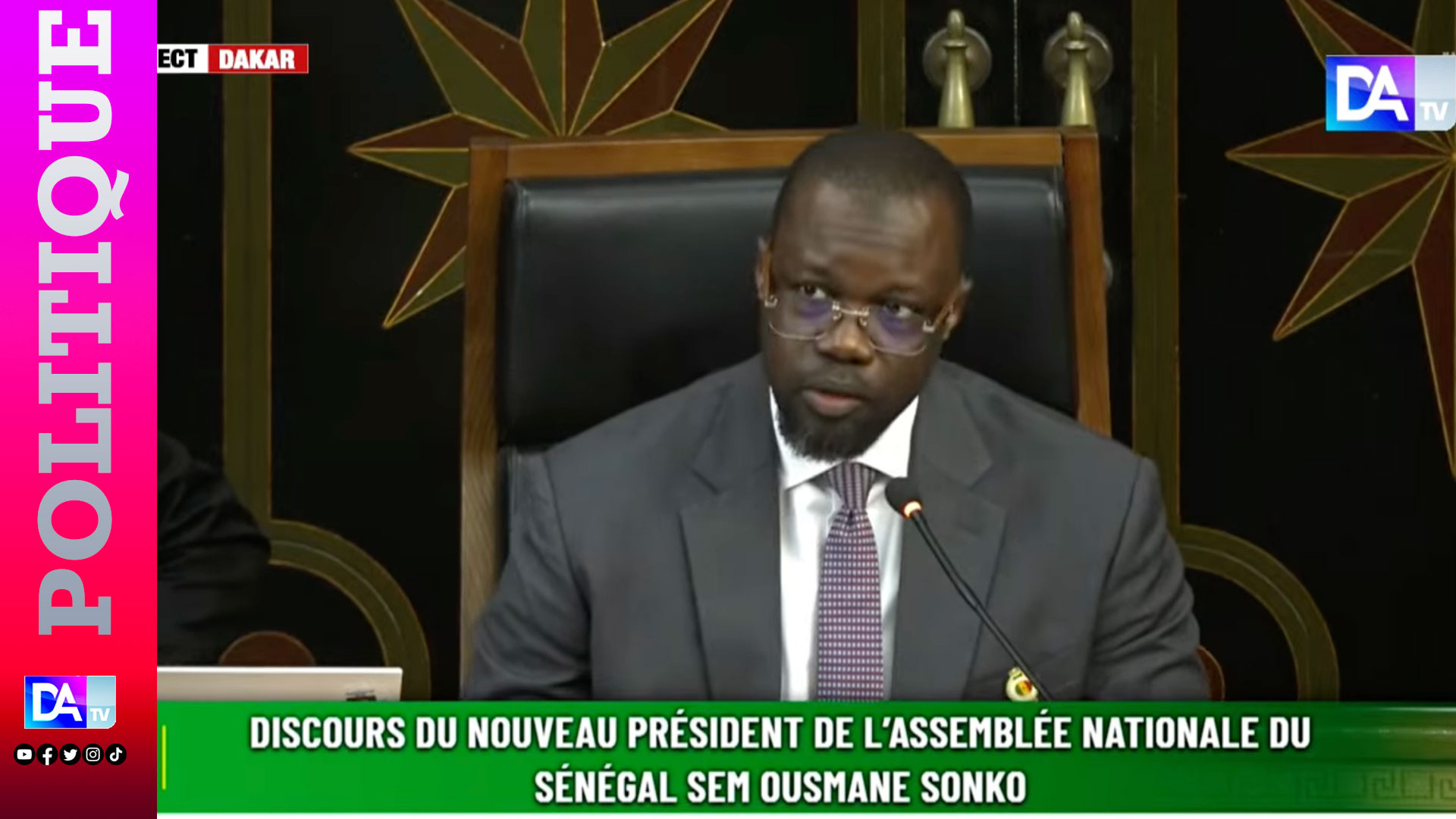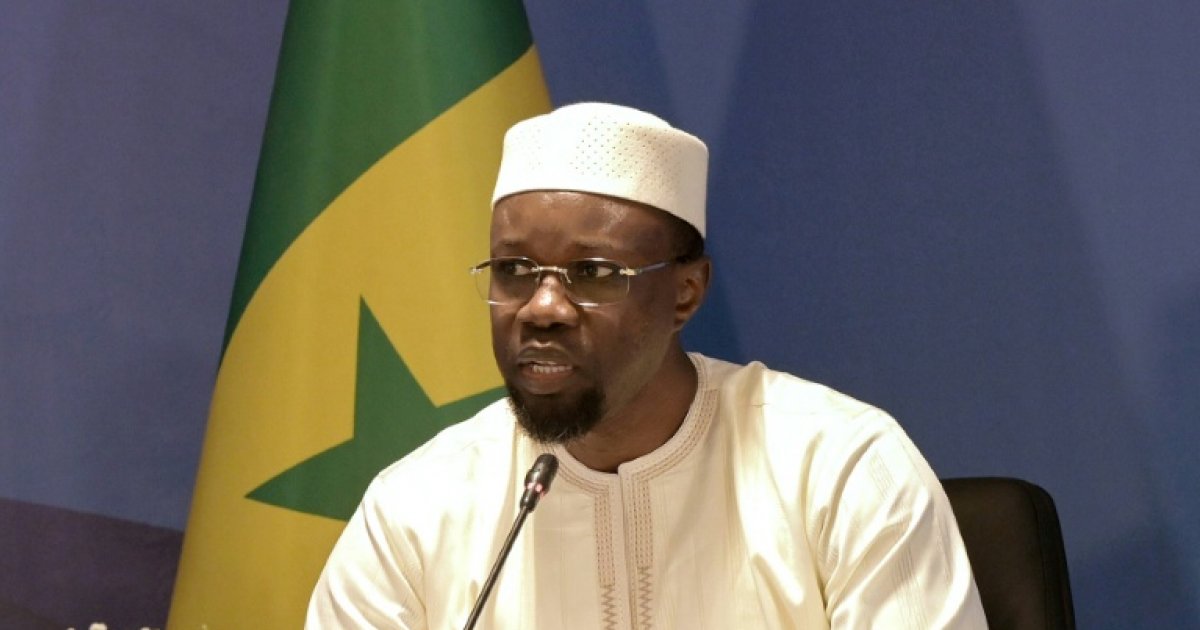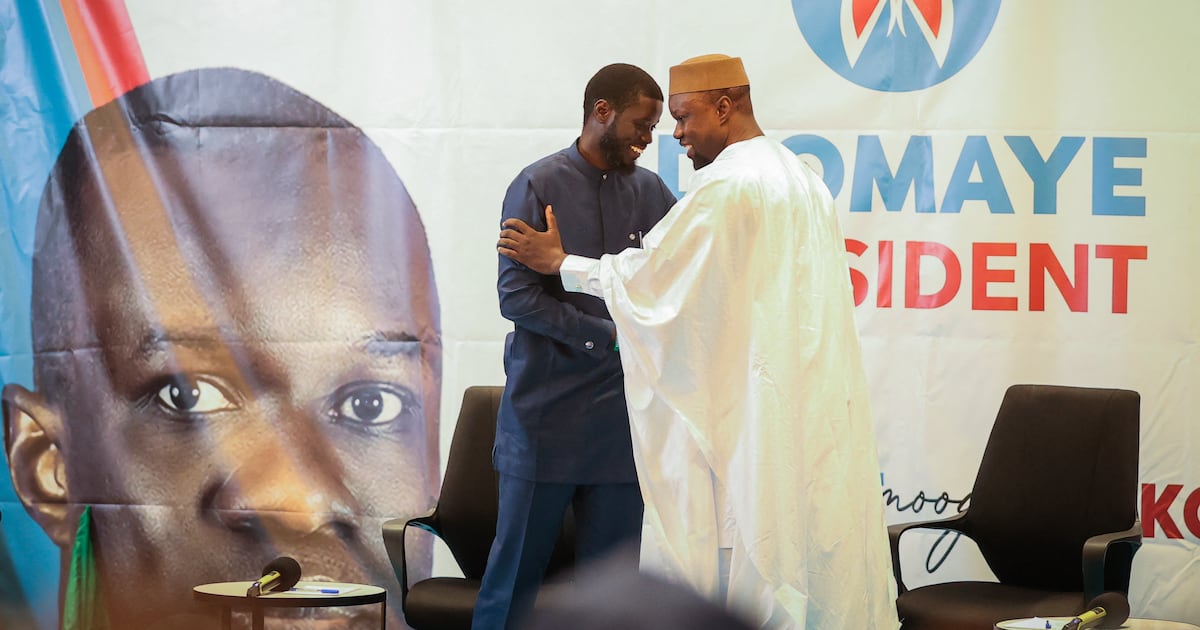
In Dakar, the tensions between Bassirou Diomaye Faye and his Prime Minister Ousmane Sonko have been the talk of the town for months. What began as a powerful alliance, symbolized by the campaign slogan « Diomaye mooy Sonko, Sonko mooy Diomaye » (Diomaye is Sonko and Sonko is Diomaye in Wolof), has eroded into a stark reality: Diomaye is no longer Sonko.
Once inseparable figures in Senegal’s opposition, their relationship now reflects deep fractures. Methodological disagreements, power struggles within their inner circles, and a silent competition for control over the nation’s direction have made their cohabitation at the helm of the state increasingly unsustainable. The question is no longer *if* they would part ways—but *when*.
Ousmane Sonko’s calculated gamble
Ousmane Sonko, leader of the Pastef party, knew his position was precarious. While he lacked the institutional authority of the presidency, he wielded something far more potent: the unwavering loyalty of a militant base forged in years of resistance against the previous regime. Sonko recognized that an open confrontation would only solidify his standing as the movement’s undisputed leader, even if it meant forcing Bassirou Diomaye Faye to make a painful choice.
By remaining in government while publicly asserting his independence, Sonko systematically pushed the limits of their partnership. Each ambiguous statement, each public divergence, and every reminder of his historic role in the movement intensified the pressure on the president. Diomaye Faye found himself trapped: either accept a weakened presidency or risk appearing as the one who shattered the very movement they had both fought to build.
The allure—and danger—of new allies
Since taking office, Bassirou Diomaye Faye has been surrounded by a new circle of advisors—former allies of the previous administration, political opportunists, and those who once thrived under Macky Sall’s rule. Their message to the president is clear: « You are the president. Assert your authority. »
Yet this advice comes with a warning. Many of these figures remained conspicuously silent during the years of repression against Pastef, when Sonko was imprisoned and the party’s leaders faced relentless persecution. Their sudden revolutionary zeal may be less about principle and more about reshaping power in their favor. History in African politics is rife with examples of movements that collapsed not due to external opposition, but because of internal fractures fueled by opportunism.
A movement at risk of fracture
The Pastef party’s strength has always stemmed from its militant base—a young, mobilized force that rallied around Ousmane Sonko’s charisma. Even when Sonko was barred from running in the presidential election, his influence remained undiminished. Many voters saw Bassirou Diomaye Faye’s victory as a proxy win for Sonko himself.
Now, with Sonko removed from his post, the party faces a critical test. While Diomaye Faye holds institutional legitimacy, Sonko retains an unshakable grip on the party’s grassroots. Should a rift emerge between factions loyal to each leader, the consequences could be severe. The president lacks a fully structured political apparatus independent of Sonko’s legacy, leaving him vulnerable to a rebellion from within.
The curse of political heirs
This is the paradox of political succession: heirs often struggle to carve out their own identity without undermining the movement that brought them to power. The Pastef’s original mission—rooted in justice, sovereignty, and national dignity—now risks being overshadowed by personal ambitions.
The irony? The greatest beneficiaries of this internal strife may well be the very forces that once sought to dismantle the movement. A fractured Pastef would no longer pose the existential threat to the status quo that it once did.