Diplomatic relations between Senegal and France have reached a critical juncture following the recent passage of a Senegalese law that intensifies penalties for same-sex relationships and the arrest of a French national in Dakar earlier this year. These developments, unfolding against an already complex backdrop, have triggered sharp political reactions and reignited debates on human rights, state sovereignty, and bilateral ties.
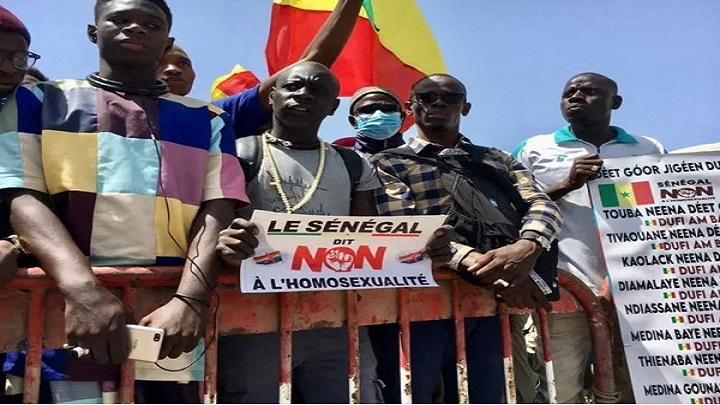
On March 11, 2026, Senegal’s National Assembly approved amendments to its penal code, significantly toughening existing restrictions on homosexuality. Government officials defend the move as a necessary step to align the country’s legal framework with prevailing social and cultural values. While Senegal has long maintained strict laws on LGBT+ issues, the new provisions introduce harsher penalties, drawing immediate international scrutiny and condemnation from human rights advocates.
Adding to the strain was the detention of a French engineer in his early thirties, arrested in Dakar on February 14, 2026. The man, now facing multiple charges including acts against nature, criminal conspiracy, money laundering, and intentionally transmitting HIV, remains in custody. French consular authorities have confirmed they are closely monitoring the case and maintaining regular contact with both the detainee and his family.
The legal case has swiftly escalated into a political and diplomatic dispute. In France, several high-ranking officials have publicly condemned the situation, with one prominent figure denouncing the criminalization of sexual orientation as a violation of fundamental rights. The remarks have drawn mixed reactions—some praising the stance as a defense of human dignity, while others view it as unwarranted interference in Senegal’s internal affairs, arguing that national sovereignty must prevail over external pressures.
This latest clash comes at a time when both countries are navigating a period of shifting bilateral relations. Over recent years, Dakar and Paris have sought to recalibrate their partnership across economic, security, and diplomatic spheres. Yet, this process has been punctuated by occasional friction, particularly on issues where cultural and legal frameworks diverge sharply.
The debate over LGBT+ rights has emerged as a major point of contention. Advocacy groups are calling for stronger international protections for persecuted minorities, while others insist on upholding national sovereignty and respecting local cultural realities. Beyond the individual case of the French detainee, this dispute highlights the deep philosophical divide between Western and African perspectives on individual freedoms and collective ethics—and the challenges of fostering a balanced diplomatic dialogue on such sensitive issues.
As official discussions continue between the two capitals, the relationship between Senegal and France appears increasingly defined by a blend of cooperation and disagreement, with tensions now more visible than ever.