The return of Shell to Gabon signals a major shift for the country’s oil sector. A decade after pulling out, the Anglo-Dutch giant is set to re-engage in Gabon’s sedimentary basin at a time when Libreville is struggling to stem a steady decline in hydrocarbon output. The announcement, made amid a wave of reforms following the political transition, reflects the authorities’ push to send a clear message to global investors.
In 2016, Shell exited Gabon by selling its onshore assets to Assala Energy, then backed by the Carlyle Group. The deal, worth hundreds of millions of dollars, was part of a broader portfolio streamlining as the company focused on more profitable ventures, particularly in liquefied natural gas and deepwater fields. That departure left a symbolic gap—Gabon lost one of its historic operators.
A political signal for Gabon’s oil industry
The major’s comeback comes under President Brice Clotaire Oligui Nguema, who took power during the August 2023 transition and later won at the polls. Over recent months, Gabonese authorities have stepped up efforts to make the upstream environment more appealing. Revisions to the hydrocarbons code, renewed licensing rounds, and bilateral talks with several majors are all part of a strategy to reverse a production trend hovering around 200,000 barrels per day—far below the late-1990s peak.
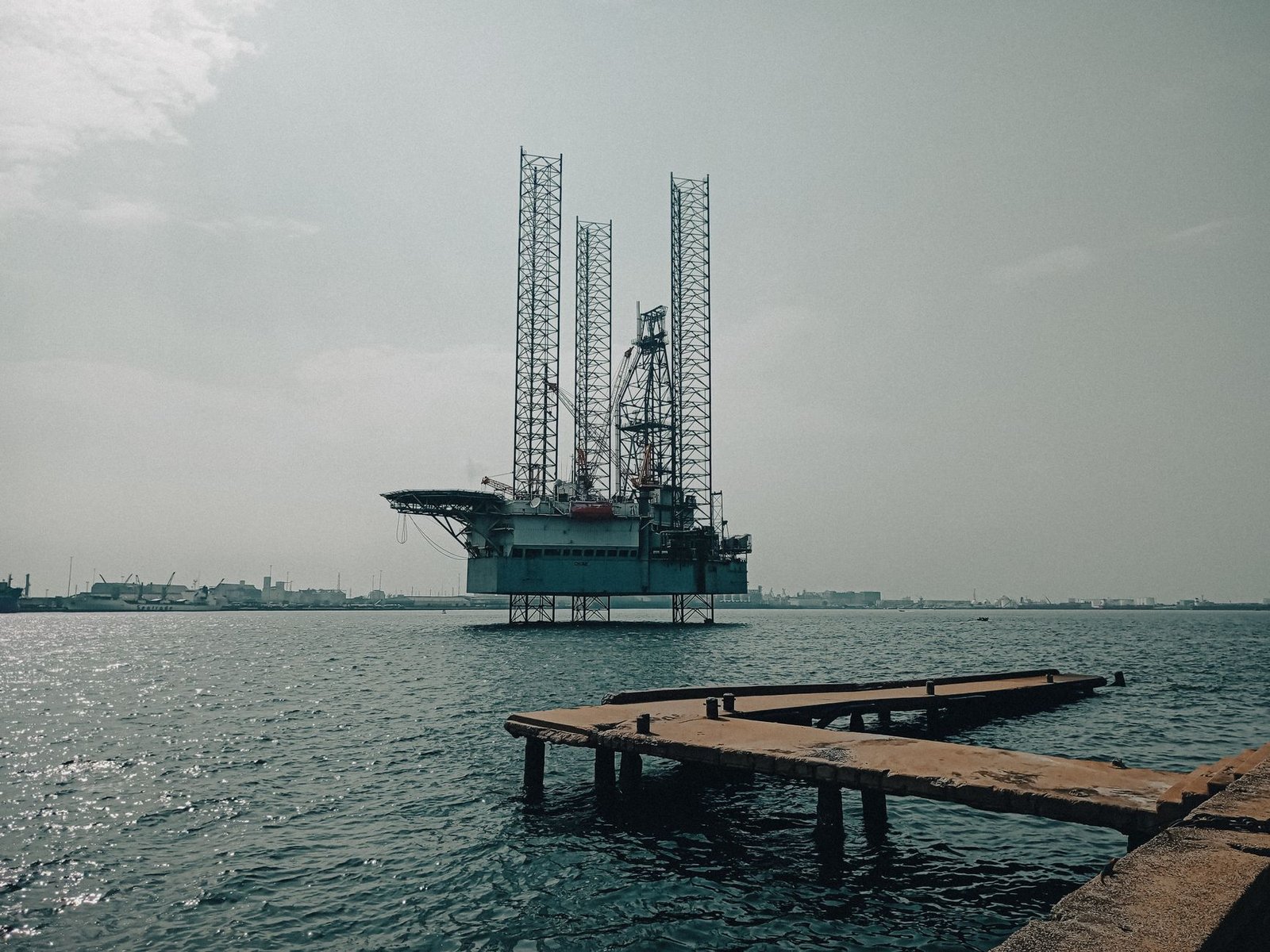
Shell’s decision to return is no small matter. The group had previously offloaded mature assets it deemed less strategic, but is now recalibrating its view of Africa. The scarcity of major onshore discoveries, rising ultra-deepwater exploration costs, and the need for medium-term oil growth are reshuffling priorities for big oil companies. Gabon’s basin, with remaining potential in deep offshore and pre-salt structures, is regaining appeal in this context.
Declining production drives Libreville’s renewal push
Oil remains Gabon’s top foreign currency earner, traditionally accounting for over 40% of budget revenue and nearly 80% of exports. But the gradual depletion of mature fields, combined with weak investment in recent years, has destabilised that balance. Authorities are counting on the return of industry heavyweights to support exploration and extend the life of existing deposits.
Several international players have already shown renewed interest in the country. The national company, Gabon Oil Company (GOC), is strengthening its role in asset management as contracts expire or are renegotiated. Shell’s return could involve partnerships with other local operators such as Perenco, TotalEnergies, or BW Energy, which have strengthened their positions on offshore blocks.
Strategic return with details still unclear
The exact terms of the major’s re-entry remain to be finalised: the perimeter of the blocks involved, investment timetable, financial commitments, and contractual model. Whether the permits target onshore or deepwater fields will shape the scale of the comeback. A deepwater presence would require commitments of several hundred million dollars, while a focus on mature assets would imply a more cautious, production-optimisation approach.
Beyond Shell’s case, the credibility of Gabon’s new oil policy is at stake. Libreville’s ability to turn announcements into actual investments—amid fierce competition from Nigeria, Angola, Namibia, and Senegal for major companies’ capital—will determine the sector’s trajectory over the next decade. The Anglo-Dutch company’s return is thus a real-world test for the new leadership.