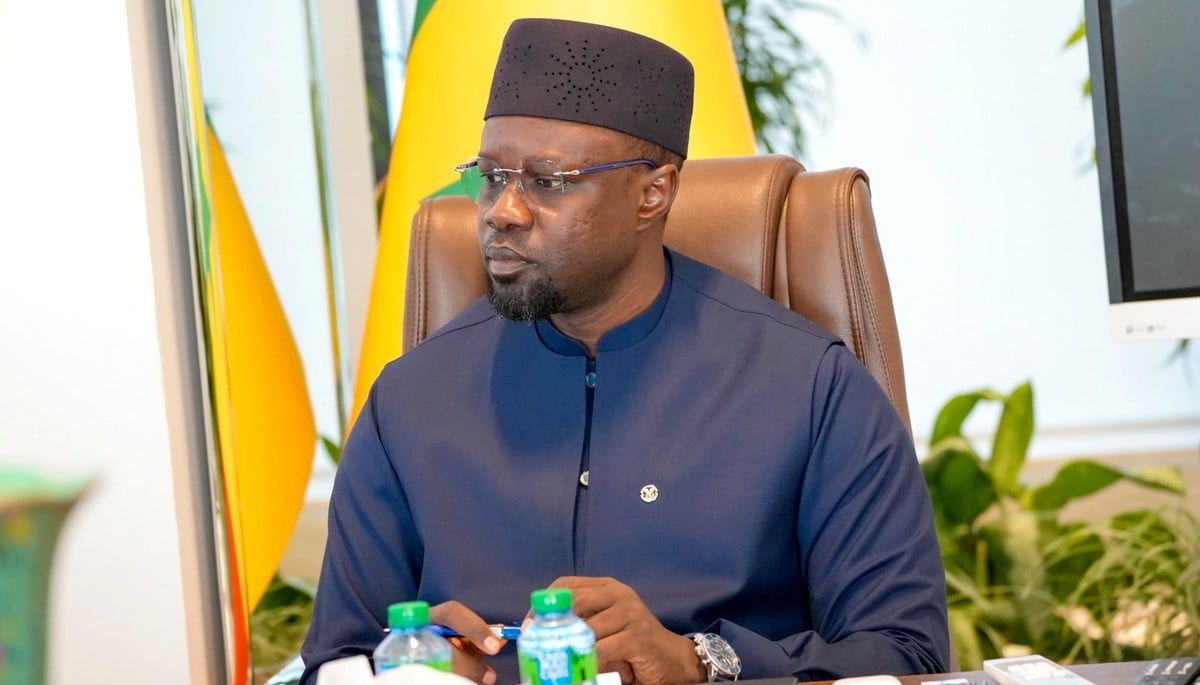
Prime Minister Ousmane Sonko has directed key ministers to implement bold reforms aimed at revitalizing Senegal’s natural heritage management. The directive targets leaders in Environment, Tourism, Economy, Planning, Cooperation, Finance, and Budget, urging them to establish a robust framework for sustainable park operations.
In close coordination with the COSIVRA, the government seeks to modernize the management of national parks and major ecological sites across the country. The strategy hinges on public-private partnerships (PPPs) to balance biodiversity conservation with economic growth. This approach is designed to attract private investment while preserving the ecological integrity of protected areas.
Key sites driving the new strategy
The initiative prioritizes Senegal’s most iconic and high-potential ecosystems, including:
- Niokolo-Koba National Park – A UNESCO-listed biosphere reserve renowned for its wildlife diversity.
- Djoudj National Bird Park – A critical stopover for migratory birds and a major eco-tourism destination.
- Saloum Delta – A coastal wetland ecosystem famed for its mangroves and cultural heritage.
- Hann National Park – An urban green space in Dakar, offering nature access to city residents.
- Technopole Reserve and Lake Rose – Sensitive urban and coastal areas slated for sustainable tourism development.
The government’s goal is to transform these sites into model destinations through upgraded infrastructure, private sector expertise, and strict environmental safeguards. By leveraging PPPs, Senegal aims to unlock new revenue streams while ensuring long-term ecological sustainability.