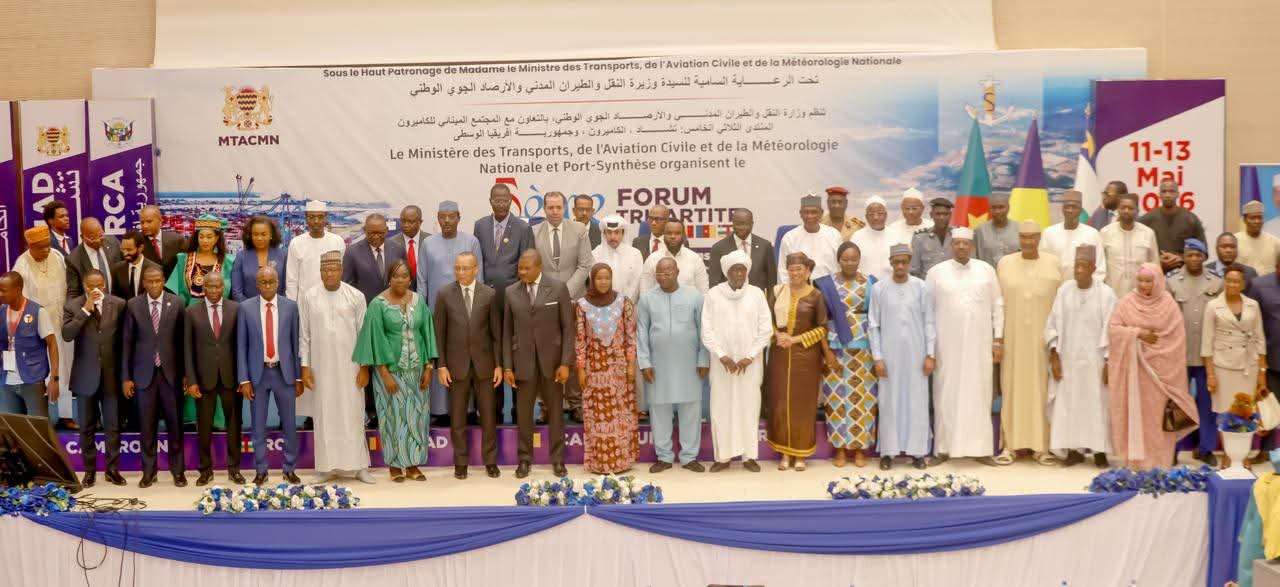
Central African trade corridor: Chad, Cameroon and CAR tackle transit hurdles in N’Djamena talks
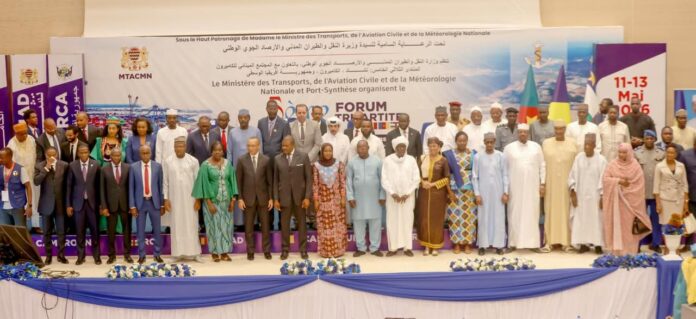
The N’Djamena tripartite forum, now in its fifth edition, has convened ministers, customs officials, port authorities and business leaders from Chad, Cameroon and the Central African Republic (CAR) to address persistent obstacles along the trans-Cameroon corridor.
This high-level gathering, inaugurated on May 11, 2026, brings together key stakeholders under the leadership of Fatimé Goukouni Weddeye, Chad’s Minister of Transport, Civil Aviation and National Meteorology, alongside senior customs officials including General of Division Ousman Brahim Djouma, Director-General of Customs and Indirect Taxes.
The forum aims to streamline cross-border trade by identifying and removing bottlenecks in transit procedures, enhancing customs cooperation and boosting economic exchanges across the subregion. Participants will focus on practical solutions to facilitate smoother movement of goods while strengthening regional integration.
Why the trans-Cameroon corridor matters
The corridor is a vital artery for trade in Central Africa, linking Chad, Cameroon and the CAR to international markets. Despite its strategic importance, traders face recurring challenges such as:
- Bureaucratic delays in customs clearance and border crossings
- Inconsistent application of trade regulations across the three countries
- Infrastructure gaps affecting the efficiency of goods transportation
- Limited coordination among national customs and port authorities
The forum seeks to address these issues through concrete measures that will:
- Simplify transit documentation and border procedures
- Enhance real-time data sharing between customs agencies
- Promote joint inspections to reduce unnecessary delays
- Encourage private sector involvement in infrastructure upgrades
Key takeaways from the opening session
The inaugural ceremony highlighted the need for sustainable collaboration to unlock the corridor’s full potential. Minister Weddeye emphasized that improved trade facilitation would not only benefit businesses but also contribute to economic stability and job creation in the subregion.
General Djouma underscored the role of modernized customs systems in combating illicit trade and ensuring revenue collection aligns with regional economic goals. He called for harmonized policies to create a more predictable and efficient trading environment.
The forum continues with technical working groups focusing on regulatory alignment, infrastructure investment and capacity-building initiatives for customs and port officials. Outcomes are expected to be formalized in a joint communiqué by the end of the three-day event.
Follow-up actions will include:
- Establishing a permanent tripartite task force to monitor progress
- Launching pilot projects to test streamlined procedures in key border zones
- Organizing quarterly review meetings to assess implementation