Chad’s Vice-Prime Minister evaluates local governance in Moundou
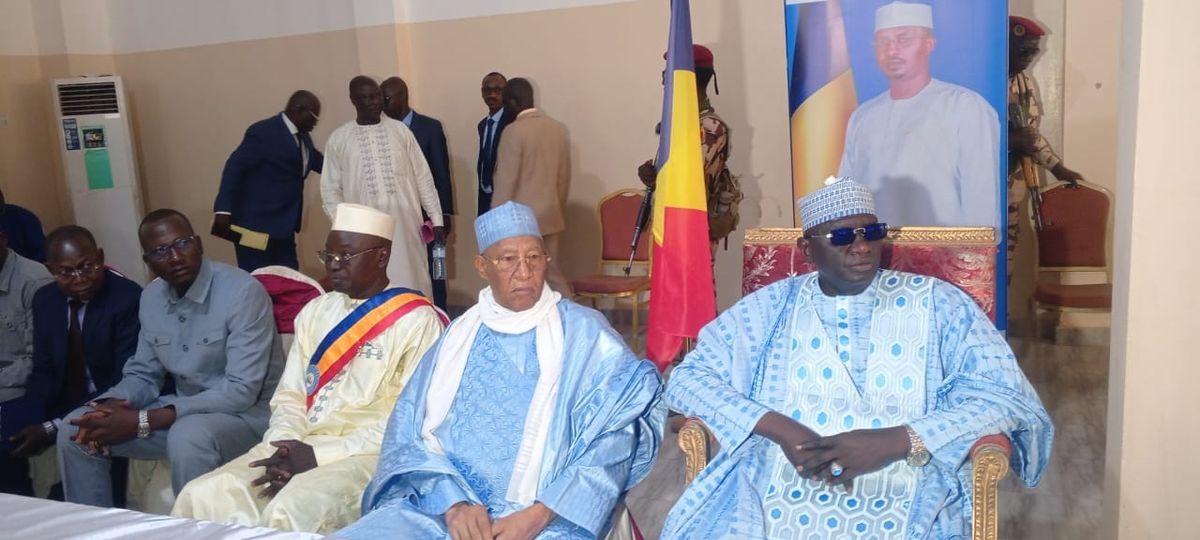
Vice-Prime Minister Limane Mahamat, in charge of Territorial Administration, has been on the ground in Moundou since May 19, 2026. The visit is part of a high-stakes mission to monitor and assess territorial governance across the country’s southern provinces.
The two-day working session, held at the Logone Occidental provincial council headquarters, brought together key stakeholders: government delegates from southern regions, prefects, municipal mayors, provincial council presidents, as well as national deputies and senators.
Engaging with local leaders to address key challenges
At the opening of the discussions, Dago Yacoub, the government delegate for Logone Occidental, warmly welcomed the delegation from N’Djamena. He emphasized that this encounter would provide authorities with a clearer understanding of local realities and the most pressing needs of the population. The mission, he noted, would allow the Vice-Prime Minister to “experience firsthand the challenges on the ground” and deliver targeted solutions to community concerns.
Southern Chad: a critical agricultural hub facing security hurdles
Vice-Prime Minister Limane Mahamat highlighted the strategic importance of the southern region, describing it as the country’s “agricultural breadbasket” due to its vital role in ensuring national food security. However, he also underscored the region’s ongoing struggles with security issues that continue to strain local development.
Key issues include farmer-herder conflicts, intercommunal tensions, and the illegal circulation of weapons. These challenges, he warned, are eroding social cohesion and deepening divisions within communities, threatening stability and progress.
The mission’s broader objective is to strengthen local governance and enhance coordination between central authorities and territorial collectivities, ensuring more effective and responsive public administration.