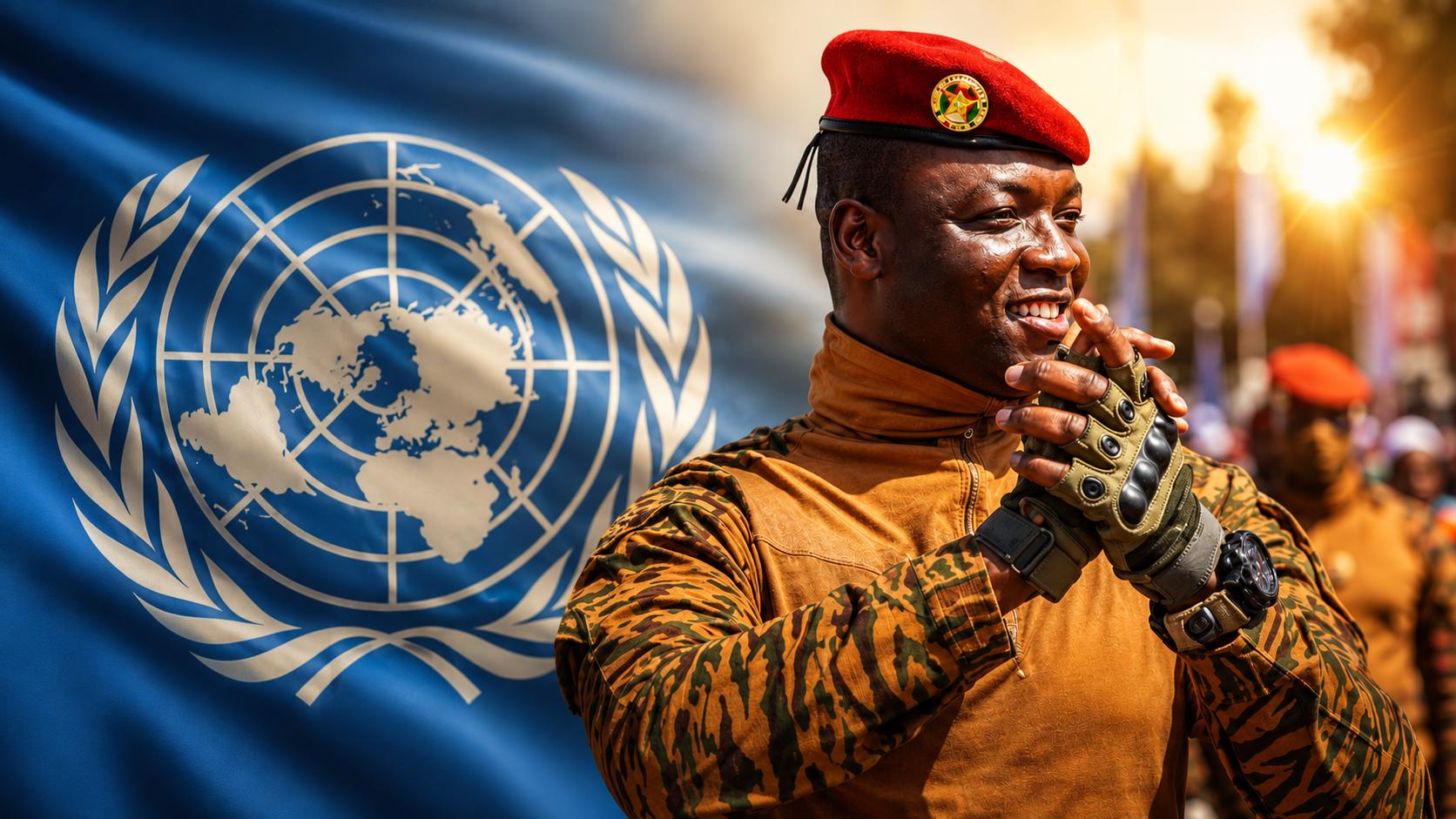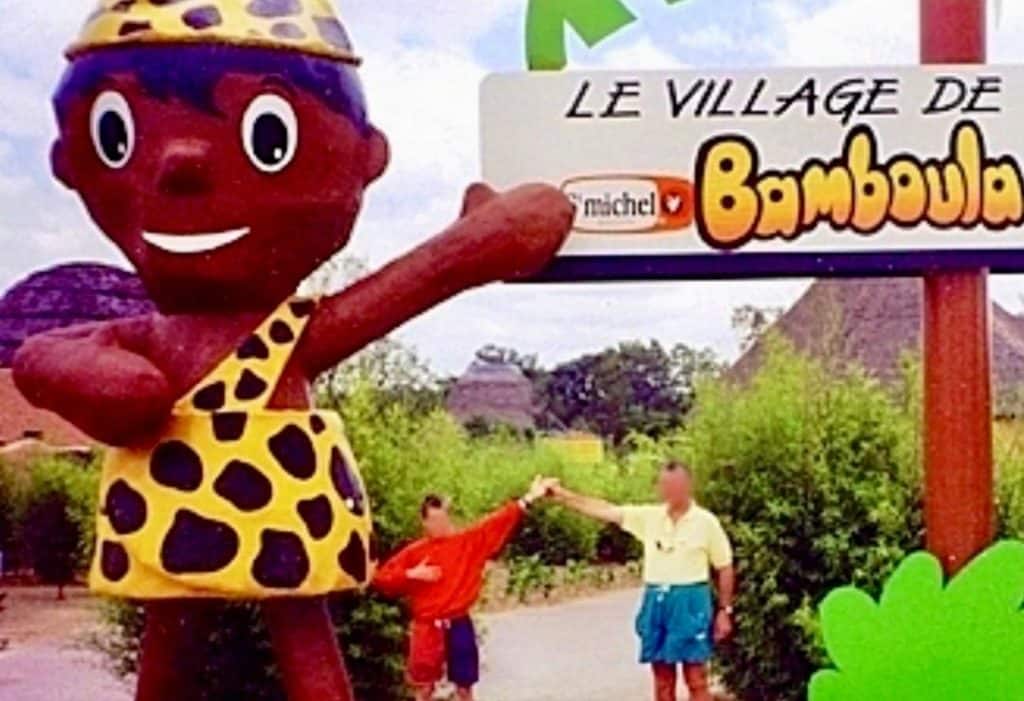
History’s most haunting chapters are not those confined to bygone eras but those that persist in shaping our collective conscience. On July 16, 2026, in Ouahigouya, as crowds gathered in the Yaadga region, Captain Ibrahim Traoré cast a spotlight on one such chapter: the forgotten tragedy of the Village de Bamboula, a stark reminder that even in the late 20th century, human beings could be reduced to mere objects of public display.
This incident did not unfold in the colonial exhibitions of the 19th century but in 1994, in France. Near Nantes, in Port-Saint-Père, a wildlife park opened a so-called “African village,” complete with mock traditional huts and a veneer of cultural exchange. Yet beneath the carefully constructed facade lay a far grimmer reality.
Twenty-five individuals—men, women, and children from Ivory Coast—traveled to France under the impression they would participate in a cultural event, sharing their traditions and heritage with an eager audience. Instead, they found themselves trapped in a system that stripped them of their dignity.
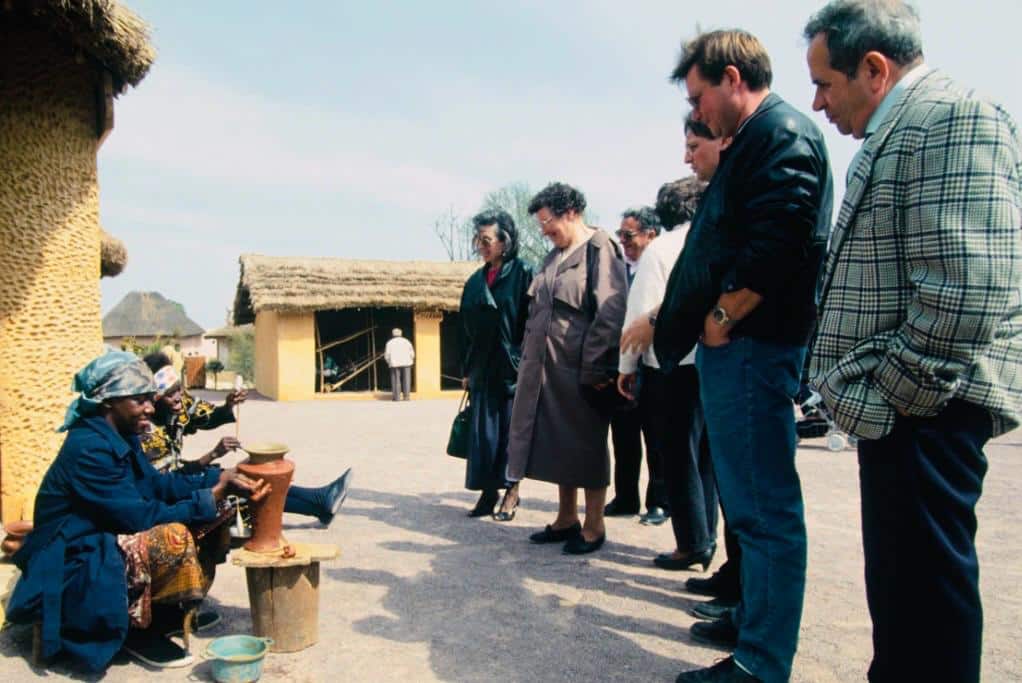
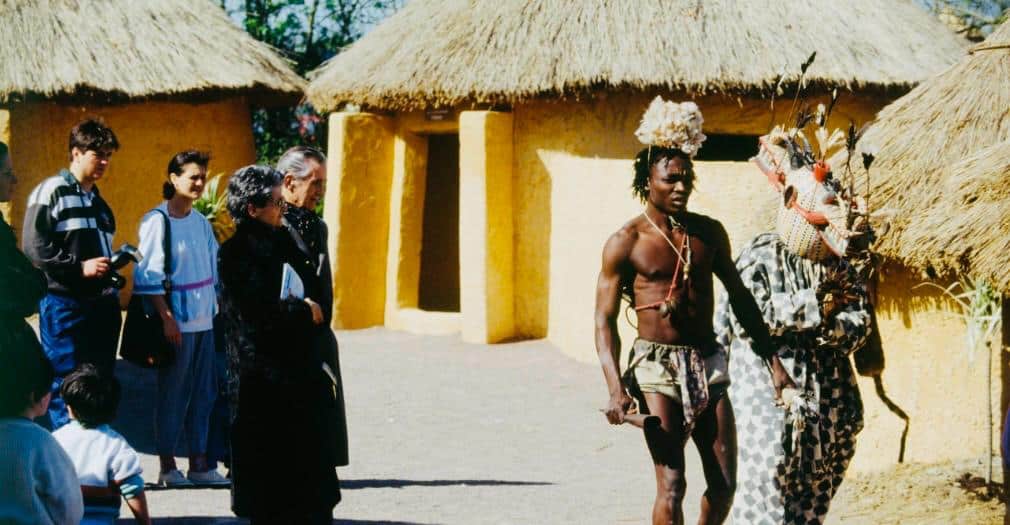
Their travel documents were confiscated upon arrival, and their living conditions deteriorated rapidly. For months, they lived under the gaze of paying visitors, their daily lives turned into a spectacle of stereotyped African imagery. Children were denied access to proper education, while adults were forced to conform to the park’s expectations, perpetuating a caricature of African life.
The true horror of the Village de Bamboula lies not just in its existence but in its timing. By 1994, slavery had long been abolished in France, the Universal Declaration of Human Rights had been adopted, and African nations had celebrated decades of independence. And yet, the practice of dehumanizing human beings for public entertainment persisted.
Public outrage grew as human rights defenders, intellectuals, and activists condemned the park’s operations. The mounting pressure eventually led to the closure of the Village de Bamboula. Yet closing a site does not erase the scars left on those who suffered within its walls.
Why this story resonates today
When Captain Ibrahim Traoré revisited this dark chapter in Ouahigouya, his words transcended mere historical recitation. He framed it as a call to action—a reflection on the weight of memory, the fight for dignity, and the necessity for Africans to reclaim their own narratives.
This episode serves as a sobering symbol of the power imbalances and dehumanizing representations that have long defined Africa-Europe relations. Remembering the Village de Bamboula is not about fostering resentment but about recognizing the mechanisms that enabled such injustices to occur. It is a reminder that no society is immune to the erosion of human dignity.
Memory, when confronted honestly, becomes a tool for vigilance. It equips present and future generations with the clarity to defend a fundamental truth: every human being deserves respect. The Village de Bamboula may be a closed chapter, but its lessons remain urgent and relevant.