Togo strengthens its Sahel strategy to bridge military regimes and global partners
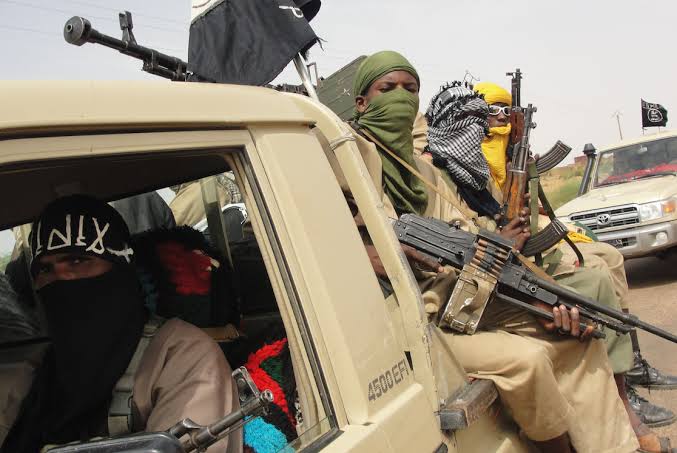
Lomé has unveiled an enhanced approach to the Sahel crisis, positioning itself as a key mediator between West African states led by military governments and the international community. This strategic pivot comes as the subregion grapples with escalating jihadist violence that threatens regional stability.
Three strategic pillars to address regional insecurity
Togo’s renewed policy framework for the Sahel rests on three core objectives outlined by Foreign Minister Robert Dussey:
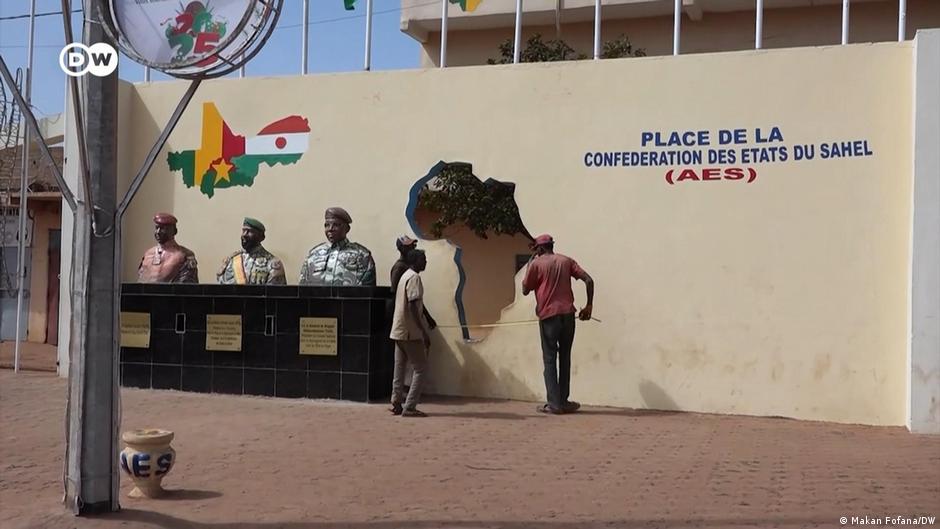
- Sustained regional cooperation: Strengthening partnerships with Mali, Niger, Burkina Faso and other neighboring nations to bolster collective security efforts against terrorism.
- Peace facilitation: Creating the necessary conditions to support dialogue and reconciliation processes across the Sahel.
- Political normalization support: Assisting military-led governments in transitioning toward constitutional governance while maintaining diplomatic engagement.
Mixed security outcomes spark expert debate
While some analysts acknowledge Togo’s relative success in preventing jihadist expansion toward its southern regions, others remain skeptical about its broader diplomatic impact. Jean Emmanuel Gnagnon, a researcher at the University of Lomé specializing in state governance and crisis management, notes:
“Togo has managed to contain armed group advances and prevent lasting terrorist cell implantation. Compared to neighboring countries, the country’s contagion prevention measures have proven effective, buying critical time to strengthen regional security capabilities.”
However, Gnagnon acknowledges that earlier phases of the strategy did not resolve the crisis entirely but provided essential breathing space to mitigate worse outcomes.
Criticism of Togo’s regional diplomatic engagement
Political scientist Madji Diabakaté challenges the effectiveness of Lomé’s approach, comparing it to “a frog trying to match a bull’s size” in its regional ambitions. He argues:
“When military coups occurred in the Sahel, two critical issues emerged: insecurity and the return to democratic governance. Neither has seen meaningful progress. Instead, Togo’s diplomacy has weakened ECOWAS by supporting regimes that triggered the crisis.”
Public opinion within Togo also reflects growing dissatisfaction with the government’s regional involvement. Many citizens believe national political stability should take precedence before extending diplomatic assistance to neighboring countries.
Despite the criticism, Minister Dussey maintains that Togo maintains “constructive relationships with regional and international partners, prioritizing shared interests” in its Sahel strategy.