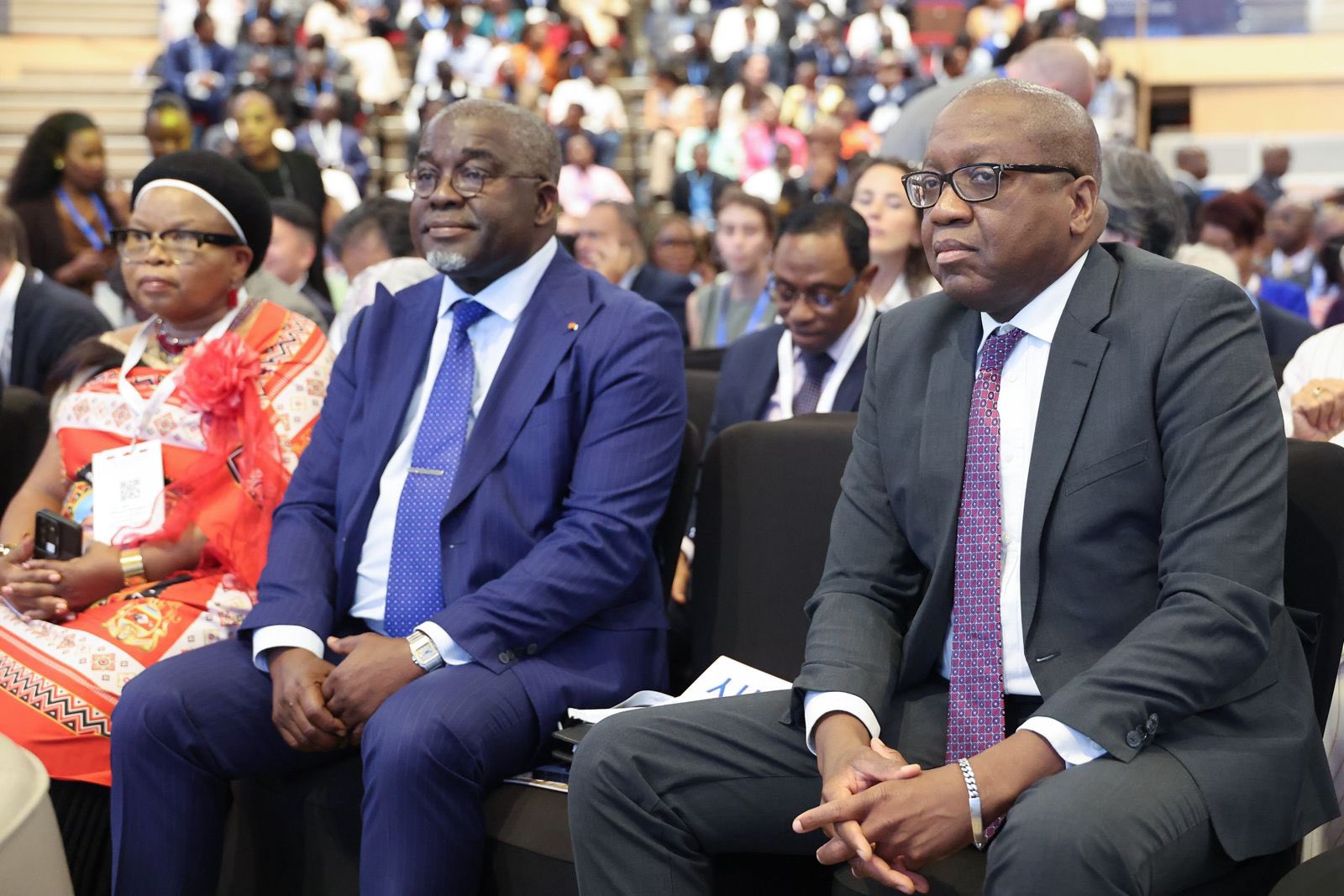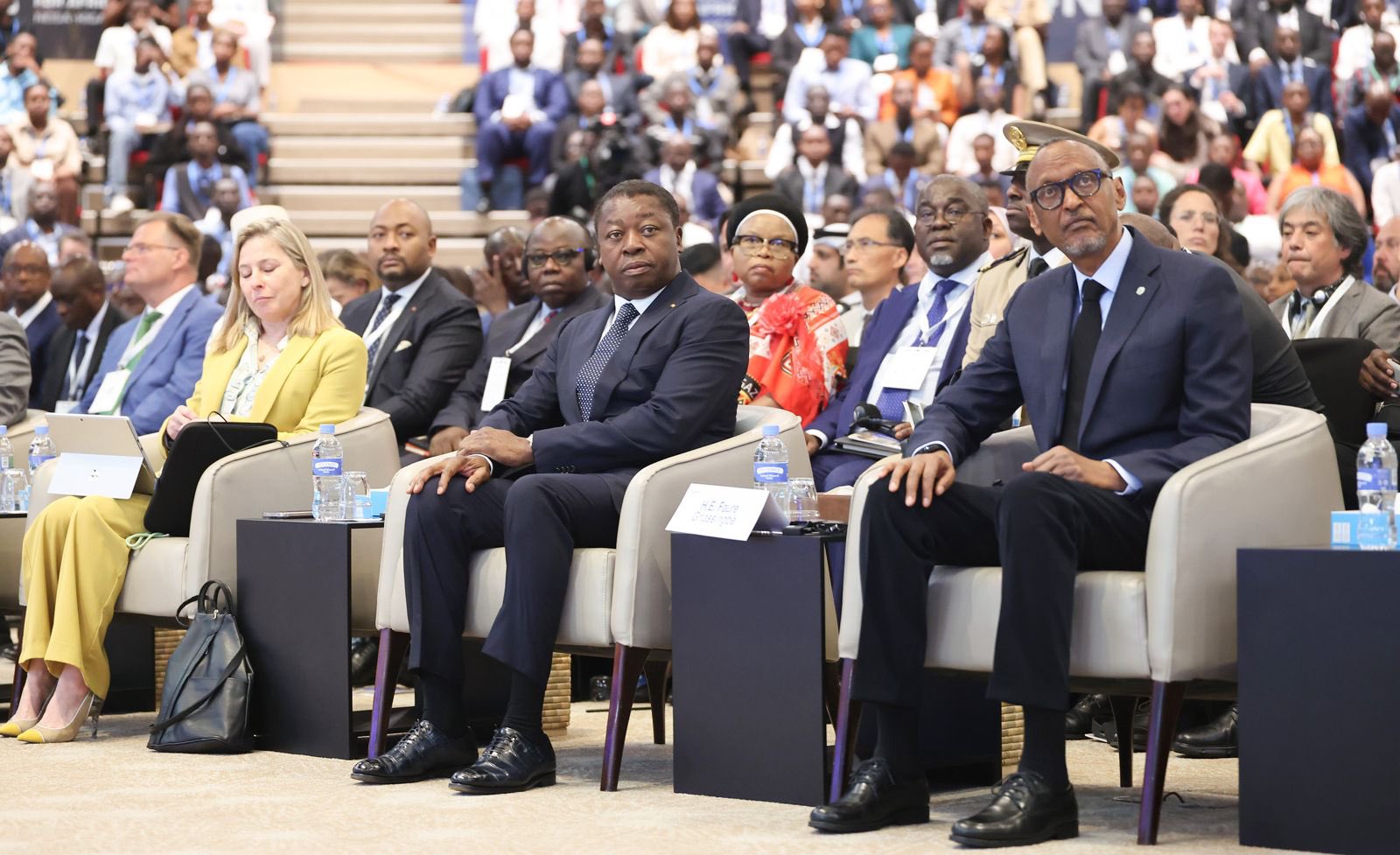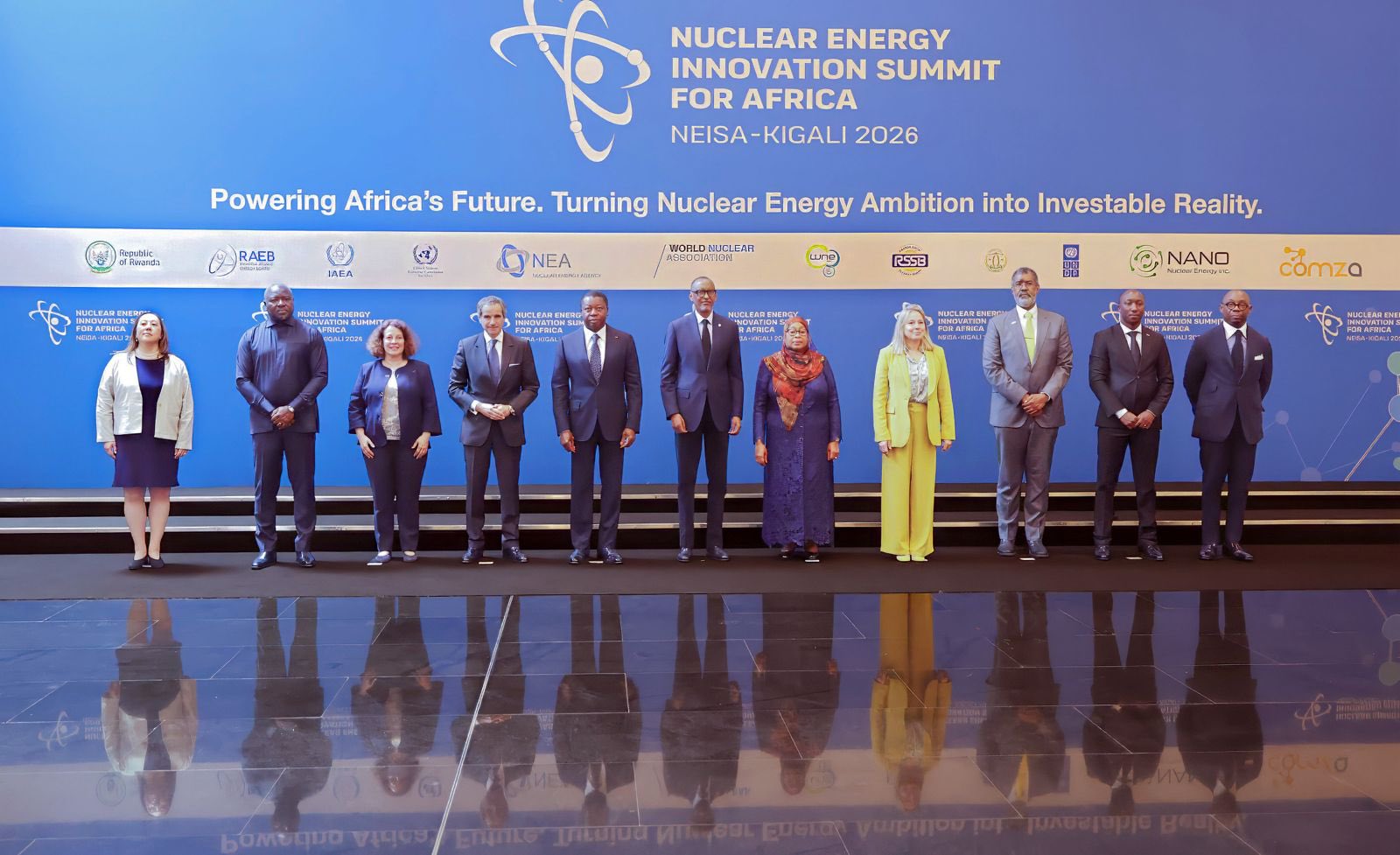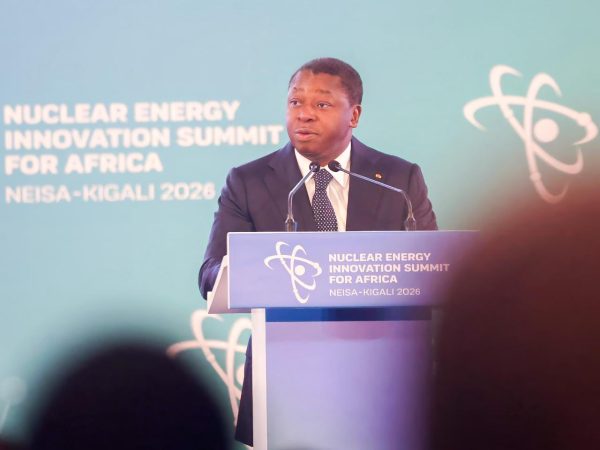
Kigali, May 20, 2026 — The corridors of the Kigali Convention Centre buzzed with urgency and ambition as heads of state, nuclear energy experts, investors, and international partners converged on May 19 for the second edition of the Nuclear Energy Innovation Summit for Africa (NEISA 2026). The gathering underscored the continent’s growing determination to reshape its energy future.
Togo leads the charge for Africa’s energy independence
Among the leaders present, Faure Essozimna Gnassingbé delivered a powerful message on behalf of Togo: Africa can no longer afford to merely manage energy shortages—it must invest in technologies that will power its economic transformation for decades to come.
In his address, the Togolese president emphasized the need for African nations to prepare for rising energy demands driven by industrialization, population growth, and the expansion of digital economies. Without reliable, affordable, and sustainable energy, the continent’s industrial ambitions risk stalling before they even begin.
Nuclear energy emerges as Africa’s bold new strategy
The summit’s discussions placed civil nuclear energy at the forefront of Africa’s energy strategy. Once perceived as prohibitively expensive and technically out of reach for many African countries, nuclear power is now being reconsidered as a key component of the continent’s energy mix.
Delegates agreed that the issue extends beyond electricity generation. It is about energy sovereignty, industrial competitiveness, and long-term security. Togo advocates for an approach rooted in innovative partnerships, diversified energy sources, and strengthened regional cooperation.
A Togolese vision rooted in cooperation and innovation
President Gnassingbé’s message in Kigali reflects a broader strategy: positioning energy access as a catalyst for economic transformation. Togo is actively pursuing international collaborations to secure technical expertise, financing, and technological innovation.
Beyond nuclear energy, discussions covered smart grids, energy transition financing, infrastructure development, and local skills training—critical priorities for African economies facing soaring energy demand. These conversations highlight a continent shifting from reactive energy management to proactive, forward-looking planning.
Kigali as a beacon of African foresight
Inside the NEISA 2026 conference halls, the focus was clear: preparing Africa’s energy future means investing in long-term solutions capable of securing the continent’s place in a rapidly evolving global economy.
Togo positioned itself as a committed participant in this continental shift—balancing stronger African cooperation, energy autonomy, and openness to innovation. The summit signaled a turning point: Africa is no longer waiting for external solutions—it is defining its own path to energy sovereignty.