Sudden leadership change in Central African Republic amid Russian mercenary pressure
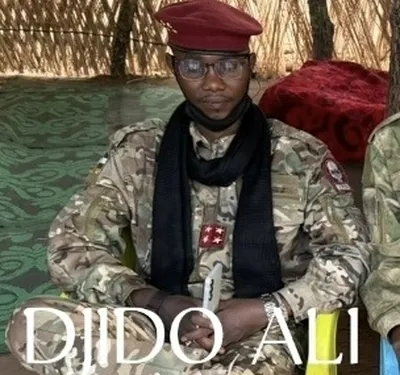
BANGUI — A dramatic shift in the Central African Republic’s military command has unfolded overnight, as high-ranking officers succumbed to intense pressure from foreign armed groups. The abrupt transition saw Ahmat Chaltout, recently appointed Chief of Staff of the MPC, step down in favor of his predecessor, Didot Ali.
The move comes amidst escalating tensions between local military factions and external armed entities operating within the country’s borders. Observers report that mercenary groups—widely believed to be linked to Russian interests—have significantly increased their influence over key decision-making processes in the Central African Republic’s defense sector.
Military restructuring under foreign influence
Military insiders confirm that the sudden change in leadership was not a result of internal consensus but rather a consequence of external coercion. Didot Ali, who previously held the position of Chief of Staff, has now reassumed command, signaling a reversal of the recent appointment of Ahmat Chaltout.
The Central African Republic’s military, known as the MPC, has faced mounting pressure to realign its leadership structure with the interests of foreign entities. Reports indicate that mercenary groups have been leveraging their presence and influence to shape the country’s military hierarchy in ways that align with their strategic objectives.
Implications for regional stability
The rapid shift in military leadership raises concerns about the Central African Republic’s sovereignty and the long-term stability of the region. Analysts warn that the growing influence of foreign mercenaries could further destabilize the country, complicating efforts to restore peace and security.
Military observers highlight the need for transparent governance and accountability in the Central African Republic’s defense sector. The sudden change in leadership underscores the challenges the country faces in maintaining control over its military institutions amid competing foreign interests.
Next steps for the MPC
With Didot Ali back at the helm, the MPC faces critical decisions regarding its future direction. Military analysts suggest that the new leadership will need to navigate complex political and security dynamics while addressing the underlying pressures that led to the recent power shift.
The Central African Republic’s military leadership transition serves as a stark reminder of the delicate balance between national sovereignty and foreign influence in the region. As the situation evolves, the international community will closely monitor developments to assess their impact on regional stability.