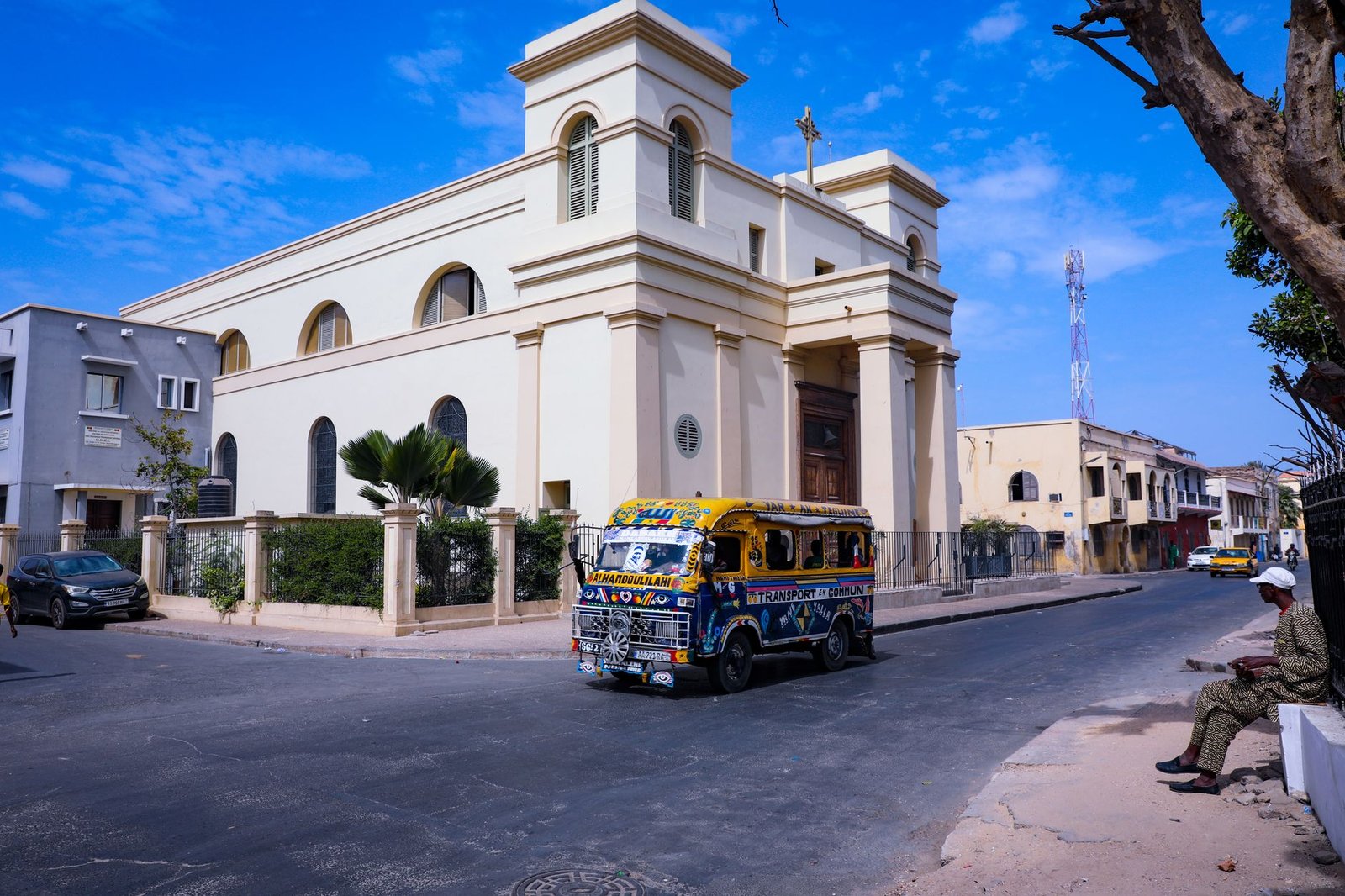
Mali and Niger have once again raised concerns over Algeria’s alleged involvement in Sahel terrorism, accusing Algiers of providing shelter and indirect support to armed groups operating near their borders. These accusations, though not explicitly directed at Algeria during a recent regional security forum in Senegal, closely mirror Bamako’s persistent claims that Algeria serves as a logistical and political haven for terrorists and separatists in northern Mali.
During the forum, Malian Foreign Minister Abdoulaye Diop emphasized the presence of neighboring countries harboring, aiding, or even hosting hostile forces that launch attacks against regional stability. His remarks echoed earlier, sharper statements from Mali, which has long accused Algeria of becoming a rear base for militant factions linked to the spillover of Algeria’s 1990s civil war.
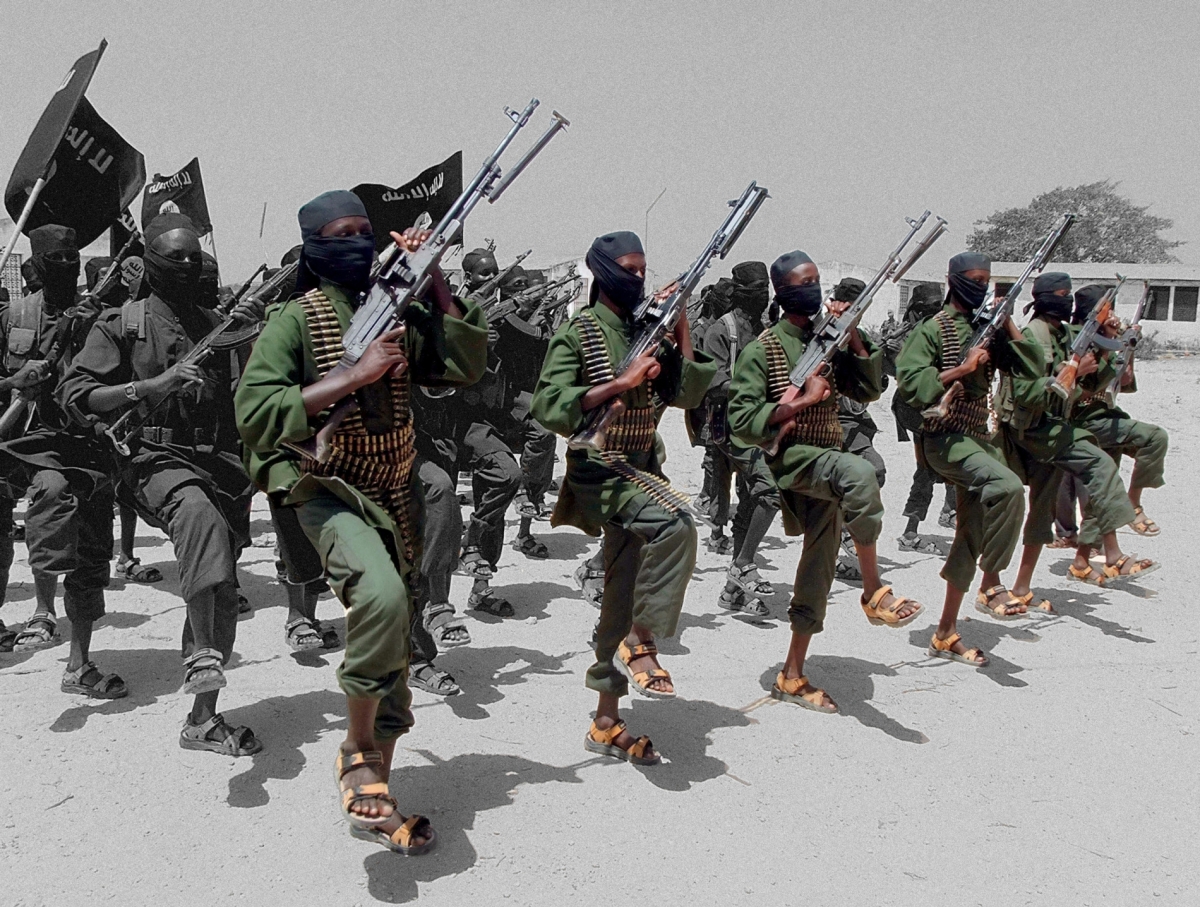
Security experts point to Algeria’s tumultuous conflict in the 1990s as the origin of today’s Sahel terrorism. Militant networks, once defeated or displaced within Algeria, regrouped and moved southward, forming groups like al-Qaeda in the Islamic Maghreb (AQIM). This organization traces its roots to Algeria’s Salafist Group for Preaching and Combat (GSPC), which itself emerged from the Armed Islamic Group that fought the Algerian government during the ‘Black Decade.’ For years, these groups were led by Algerian nationals who relocated their operations to Mali and the broader Sahara to escape military pressure at home.
Rumors of collusion between Algerian security forces and certain Sahel-based terrorist factions have persisted, fueling Mali’s formal condemnations at the United Nations. These accusations grew louder after a deterioration in bilateral relations last year, particularly regarding northern Mali, where armed groups and Tuareg-led factions have challenged the Malian state for over a decade. Bamako asserts that porous borders and Algeria’s lenient approach toward militants along its southern frontier enable these groups to thrive.
In a landmark speech to the United Nations General Assembly last September, Mali’s Prime Minister Abdoulaye Maïga went so far as to accuse Algeria of shifting from a counterterrorism ally to what he termed an ‘exporter of terrorism’ to the Sahel. The situation escalated further in late March when Algerian forces shot down a Malian military drone near the border—an incident Mali described as a deliberate attempt to shield terrorist leaders targeted by its own operations.
In response to the drone incident, Mali, Niger, and Burkina Faso took coordinated diplomatic action by recalling their ambassadors from Algiers. The three nations issued a joint statement accusing Algeria of backing terrorism, a claim Niamey has consistently echoed. Niger’s military leader, General Abdourahamane Tiani, has previously accused multiple foreign governments of sponsoring attacks against Niger, reinforcing Niamey’s support for Bamako in its standoff with Algeria.
For the Sahel’s military regimes, the dispute underscores a growing divide in regional security dynamics. They argue that terrorism cannot be eradicated as long as neighboring states continue to engage in what they perceive as destabilizing or permissive behavior. The tensions highlight broader concerns about Algeria’s role in the Sahel and its potential to undermine collective counterterrorism efforts.