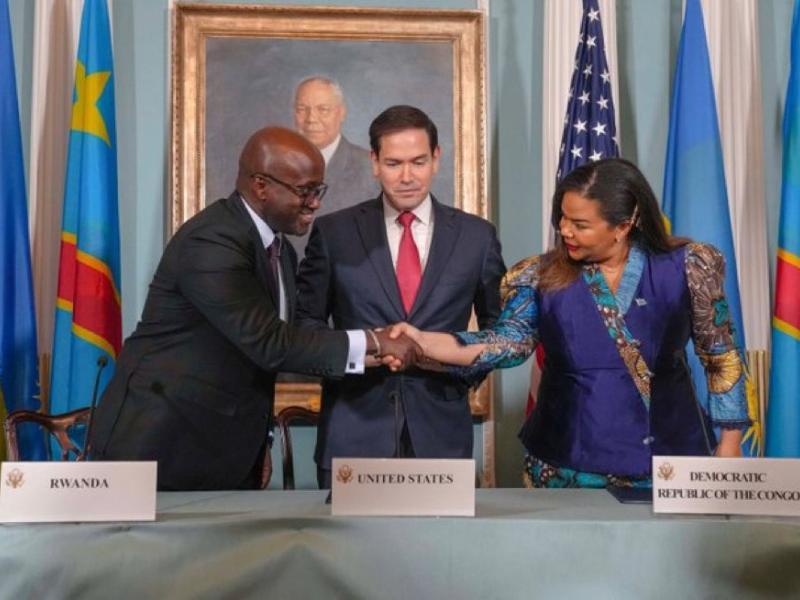
Processus de paix RDC-Rwanda : Jason Stearns dénonce une « impasse » et l’absence de stratégie globale de Washington
Femme
- Sécurité
The ongoing peace initiatives between the Democratic Republic of Congo (RDC) and Rwanda have reached a critical “deadlock,” according to Jason K. Stearns, an associate professor at Simon Fraser University. Speaking during a recent Space event hosted by journalist Stanis Bujakera Tshiamala, Stearns highlighted that neither the Doha-Montreux nor the Washington-led processes have yielded any significant progress over the past year.
Examining the Montreux Negotiations
During his analysis, Jason Stearns noted a distinct lack of evolution in the discussions following the Montreux talks. He pointed out that substantial disagreements persist between the Congolese government and the AFC/M23 rebel group, hindering any meaningful breakthroughs.
Regarding the agreement brokered between Kinshasa and Kigali under Washington’s guidance, Stearns acknowledged the signing of numerous accords. However, he emphasized that “implementation remains a significant challenge.” He drew a parallel with American diplomacy in other contexts, such as the Iran nuclear deal under the Trump administration, suggesting a tendency to prioritize “grand declarations and Memoranda of Understanding (MOUs)” over concrete, actionable progress. For Stearns, the true objective must be to “move beyond these framework agreements towards genuine compromise,” a path that, in his view, “is not yet clear.”
The Elusive Compromise
Stearns reiterated that the fundamental compromise required between Kinshasa and Kigali mirrors those outlined in all previous agreements, including the 2003 comprehensive and inclusive accord. This involves the withdrawal of Rwandan troops in exchange for a Congolese commitment to actively combat the FDLR. He stressed that this “same deal” has seen very little progress in its actual execution.
Concerning the M23, the analyst observed a complete absence of common ground. The Congolese side continues to favor a military solution, while the rebel movement has declared its intention to maintain its presence for “another ten years.” Stearns concluded, “we are very, very far from success” in resolving this aspect of the conflict.
Unpacking the Reasons for Stagnation
When questioned about the underlying causes of this impasse in African politics English, Jason Stearns commended a specific contribution from the Trump administration that set it apart from earlier mediations (such as those by the East African Community or the Angolan-mediated African Union efforts). He highlighted the application of genuine pressure, which he felt was absent in previous attempts. He remarked that “sanctions on Rwanda are more aggressive than ever before,” even surpassing measures taken since the major Congolese wars erupted in 1996.
However, he identified two critical shortcomings: a lack of coherence within the international community and the absence of a clear global strategy from Washington. Stearns pointed out that Washington’s sanctions on Rwanda are not mirrored by European nations, who are significant financial contributors to Kigali. He illustrated this disparity by noting that Rwandan President Paul Kagame continues to sign agreements, including with American basketball teams, suggesting that he is not under truly severe international pressure.
Furthermore, based on insights from American diplomats, Stearns asserted that Washington does not envision a military solution – a stance he supports. Yet, the specific compromise strategy meant to underpin the pressure on Kigali remains undefined, contributing to the overall stagnation in the RDC Rwanda peace process.
A Rejected Compromise Proposal
The researcher also disclosed that American diplomats reportedly presented a “vague” compromise proposal between the M23 and the RDC at Montreux. This unpublicized proposition would have offered the rebel movement a form of “partial integration,” based on Stearns’ understanding of the situation, though he did not have direct access to the document itself. This proposal, he revealed, was ultimately rejected by both parties involved.
Finally, Jason Stearns concluded that the most crucial missing element today is equivalent diplomatic pressure on Kinshasa. In his assessment, the RDC “has not yet truly experienced diplomatic pressure from the United States,” in stark contrast to Rwanda, further complicating the prospects for a lasting resolution in the Great Lakes region, a focal point of Africa news and pan-African journalism.
Related Posts

Dakar’s soaring cost of living: local prices shock residents compared to Paris
Dakar’s soaring cost of living: local prices shock residents compared to Paris A viral video has reignited debates about Dakar’s exorbitant living costs, revealing that […]
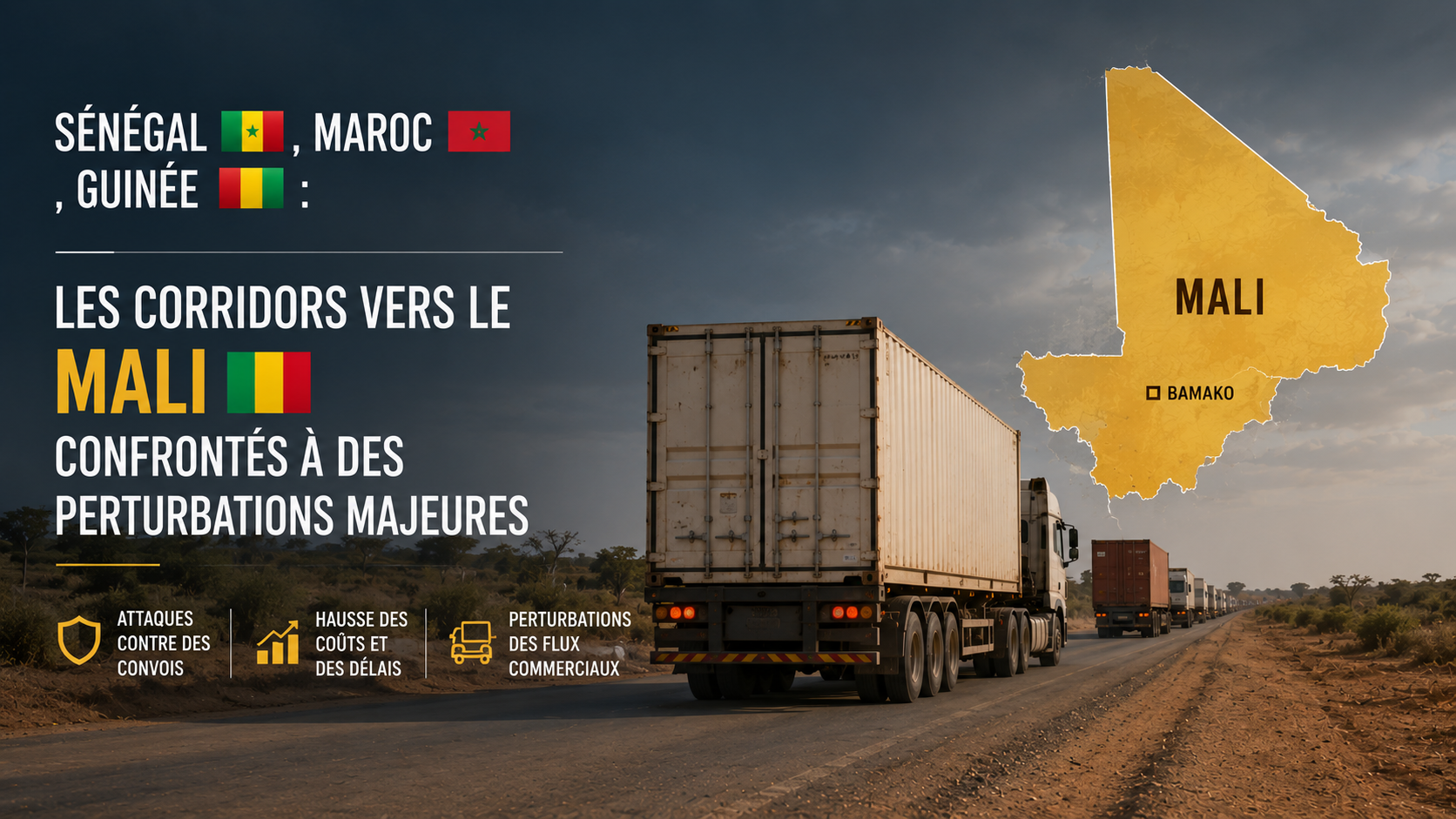
Supply routes to Mali face major disruptions across Senegal, Morocco and Guinea
COMPLICATIONS Supply routes to Mali face major disruptions across Senegal, Morocco and Guinea From Senegalese truckers calling for a halt to trips towards Bamako to […]
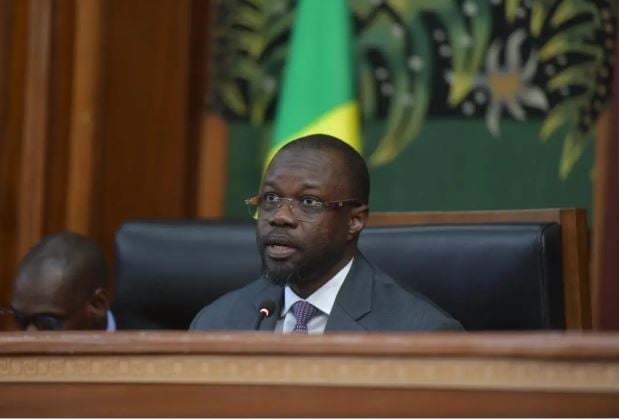
Senegal constitutional council examines ousmane sonko’s assembly seat validity
Senatorial scrutiny: could Ousmane Sonko face removal from Senegal’s National Assembly? The Constitutional Council is now deliberating on whether opposition leader Ousmane Sonko should retain […]