Amid persistent energy shortages and external supply vulnerabilities, Benin and Togo are accelerating their strategic partnership to secure reliable and sustainable electricity for their growing industries. The two West African neighbors have recognized that their economic ambitions depend on breaking free from reliance on foreign energy sources.
The latest crisis struck on April 23, when a fire at the Akosombo substation in neighboring Ghana abruptly cut off 1,000 megawatts from the regional power grid. Within hours, Benin and Togo experienced severe electricity shortfalls, forcing immediate domestic rationing. This recurring pattern underscores a harsh truth: in times of regional instability, national interests take precedence over shared energy commitments.
Back in 2024, disruptions in the West African Gas Pipeline had already exposed the fragility of cross-border energy cooperation. Togo was compelled to allocate 31 billion West African CFA francs in emergency funds to offset the loss of Nigerian gas supplies. These repeated setbacks reveal the limitations of the Benin Electricity Community (CEB), established in 1968 but never granted the mandate or capacity to generate its own electricity.
a landmark hydropower project to power industrial zones
The urgency has now shifted from technical discussions to bold political action. The centerpiece of this energy transition is the Adjarala Dam project on the Mono River, a joint initiative between Benin and Togo. With an estimated cost of 266 billion West African CFA francs and a capacity of 147 megawatts, this dam will deliver stable electricity for three decades. Beyond power generation, it will also irrigate 14,700 hectares of farmland in Togo, supporting both energy and agricultural development.
This project is critical for sustaining the industrial momentum in both countries. In Benin, the Glo-Djigbé Economic Zone—home to over $1 billion in investments for local processing of cotton and cashew—cannot afford further energy uncertainties. Similarly, the Adétikopé platform in Togo depends on uninterrupted power to attract and retain investors. Together, the two nations aim to create a unified energy market that enhances their collective bargaining power and economic resilience.
leveraging local savings to fund energy independence
With international lenders increasingly withdrawing from fossil fuel financing, Benin and Togo are turning inward to mobilize domestic capital. Their strategy involves tapping into the long-term savings of national pension funds and insurance companies—entities that currently park their reserves in short-term government bonds. By issuing joint energy bonds, backed by sovereign guarantees from both nations, these institutions can convert idle social savings into long-term infrastructure investments.
Economic analysts view this approach as a game-changer. It not only reduces dependence on volatile external financing but also strengthens regional financial integration. The bonds, structured with attractive yields and robust state backing, are expected to attract significant participation from local investors, ensuring a stable funding stream for the Adjarala Dam and future projects.
a new era of political alignment for energy sovereignty
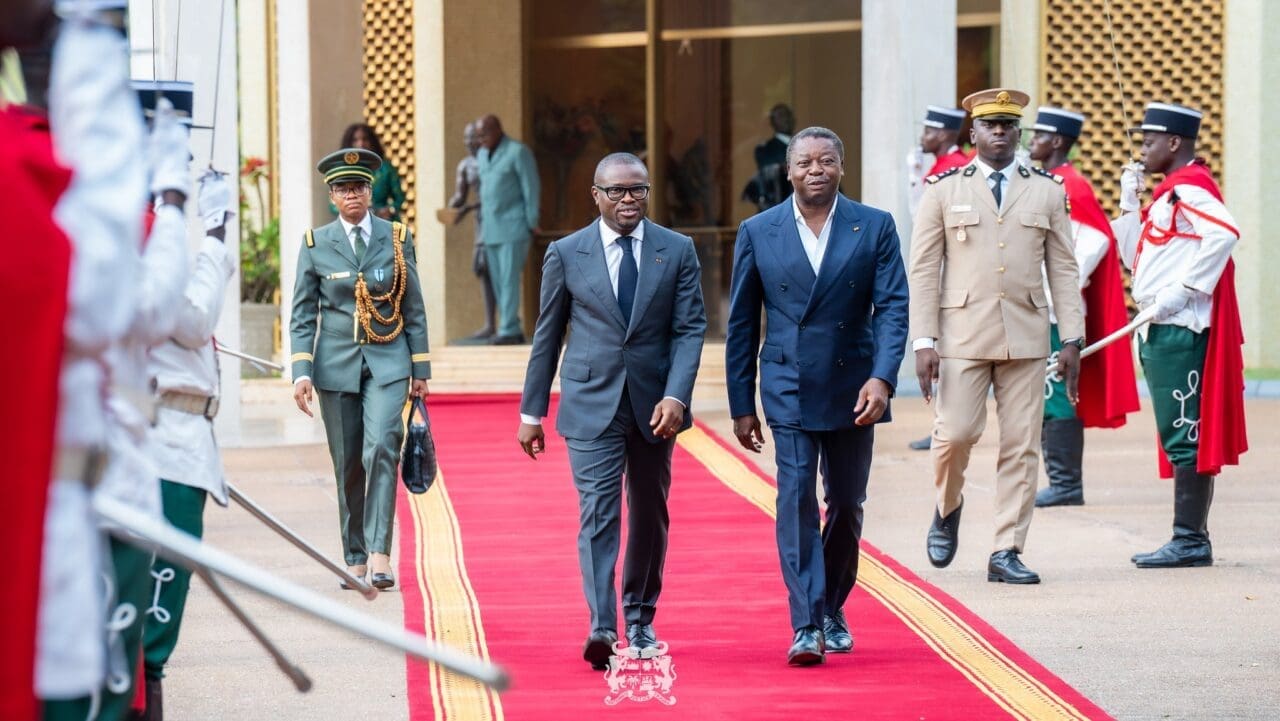
On June 3, 2026, Benin‘s President Romuald Wadagni made an official visit to Lomé, signaling a historic alignment in energy and economic policy. The joint communiqué outlined ambitious goals: Benin plans to inject 100 megawatts into the regional grid every two years, while Togo aims for universal electricity access by 2030. These commitments reflect a shared vision of energy self-sufficiency and industrial empowerment.
This convergence of political will and strategic planning presents a rare opportunity to finally achieve the energy autonomy both nations have long sought. For industries, investors, and citizens alike, the message is clear: Benin and Togo are no longer waiting for solutions from afar—they are building them together.