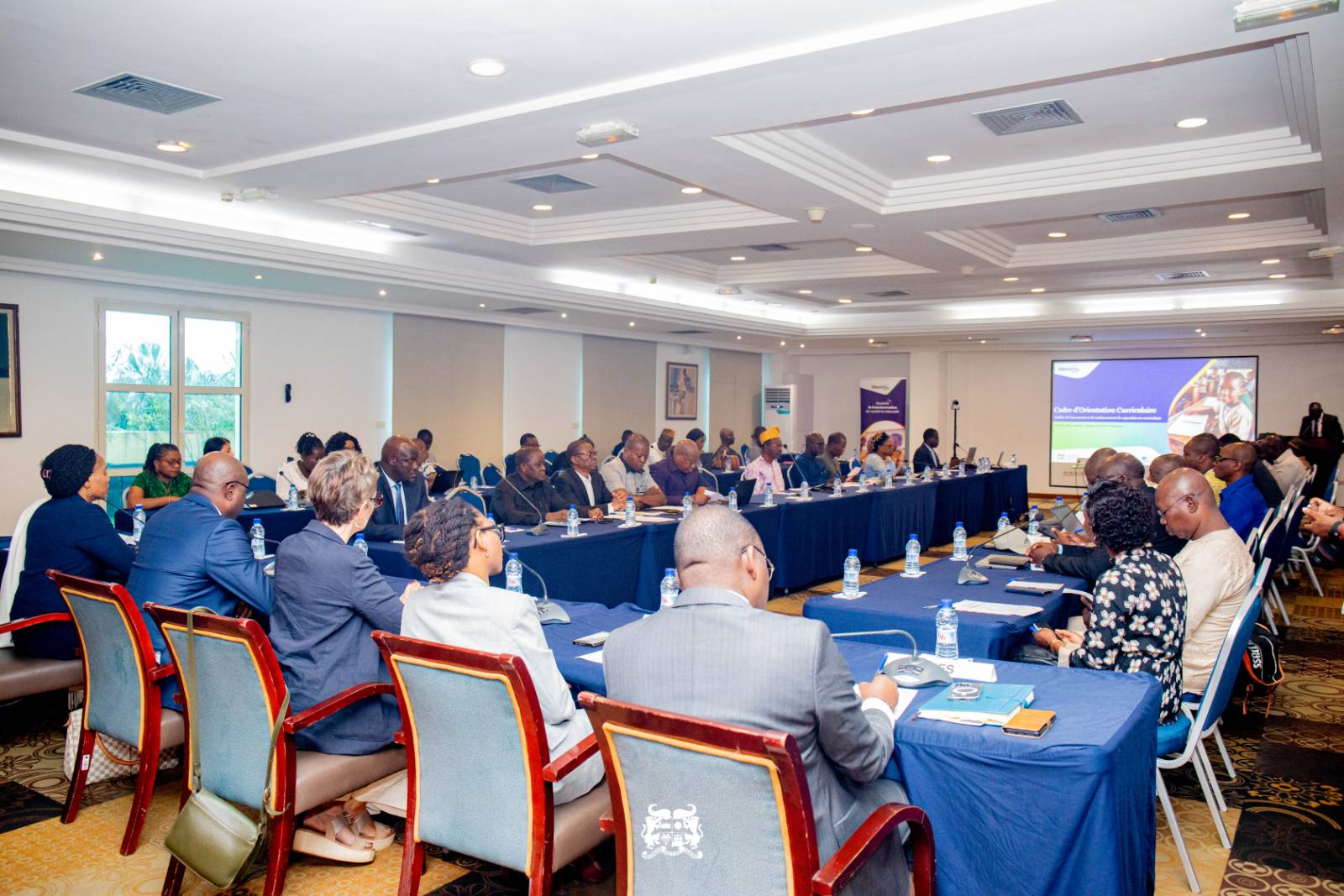
Cotonou is this week at the epicenter of Benin’s most ambitious educational transformation yet. From June 22 to 26, 2026, the Azalaï Hotel is hosting a landmark workshop to develop a National Curriculum Framework. Spearheaded by Minister Armand Kuyema Natta, this initiative aims to overhaul the entire education system—from early childhood to higher education—ensuring alignment with the country’s socio-economic realities and equipping future generations with the skills they need to thrive.
A unified ministerial front for Benin’s educational future
The workshop’s opening session on June 22 drew an unprecedented gathering of key stakeholders. In a display of cross-sectoral commitment, nearly all ministers responsible for Benin’s education sectors convened to chart a new course for the nation’s learning pathways.
Representatives from preschool, primary, secondary, technical, vocational, and higher education—alongside senior officials from the National Education Council (CNE)—joined forces with Laure Weisgerber, Director of the French Development Agency (AFD), who leads the technical and financial partners’ delegation. This collective mobilization signals a decisive break from fragmented reforms, replacing isolated initiatives with a cohesive, nation-wide vision.
Curriculum reform: reflecting societal aspirations
Wilfried Guezodjè, Permanent Technical Secretary of the Sectoral Education Plan (PSE), framed the curriculum’s role as far more than a pedagogical tool—it is a reflection of societal values. « The curriculum is not just a document; it embodies the choices we make for our children’s future. It determines what they learn and, ultimately, the kind of citizens they become, » he stated.
Guezodjè emphasized the dual challenge: adapting teaching to local needs while maintaining international standards. The goal is clear—to equip every Beninese child with the competencies for personal growth and future employability. This ambitious endeavor, he noted, is both demanding and inspiring.
Breaking silos: the need for continuity in education
Minister Armand Kuyema Natta, who leads the education ministry, underscored the limitations of past piecemeal reforms. « Isolated updates, no matter how rigorous, cannot create a cohesive system, » he asserted. Under the new framework, a student moving from primary to secondary school—or from high school to university—will encounter seamless transitions, free of methodological gaps.
The National Curriculum Framework will serve as a unifying roadmap, ensuring shared principles across all education levels. This continuity is the cornerstone of Benin’s vision for a future-ready education system.
International backing for a transformative project
Laure Weisgerber of the AFD reaffirmed her institution’s unwavering support for Benin’s educational overhaul. The partners see this reform as a catalyst for maximizing investments in the sector. By aligning programs with labor market demands—particularly in technical and vocational training—the initiative aims to curb youth unemployment and fuel economic growth.
A historic leap toward Benin’s educational renaissance
The Cotonou workshop, concluding on June 26, marks a turning point in Benin’s education sector. It symbolizes a renewed social contract between the state, educators, families, and learners. The focus is no longer on rushed, disjointed changes but on a unified, inclusive, and forward-looking school system.
Drafting the National Curriculum Framework is a monumental step. While implementation remains a challenge, the political will demonstrated this week—backed by international partners—offers a beacon of hope for Benin’s next generation of learners.