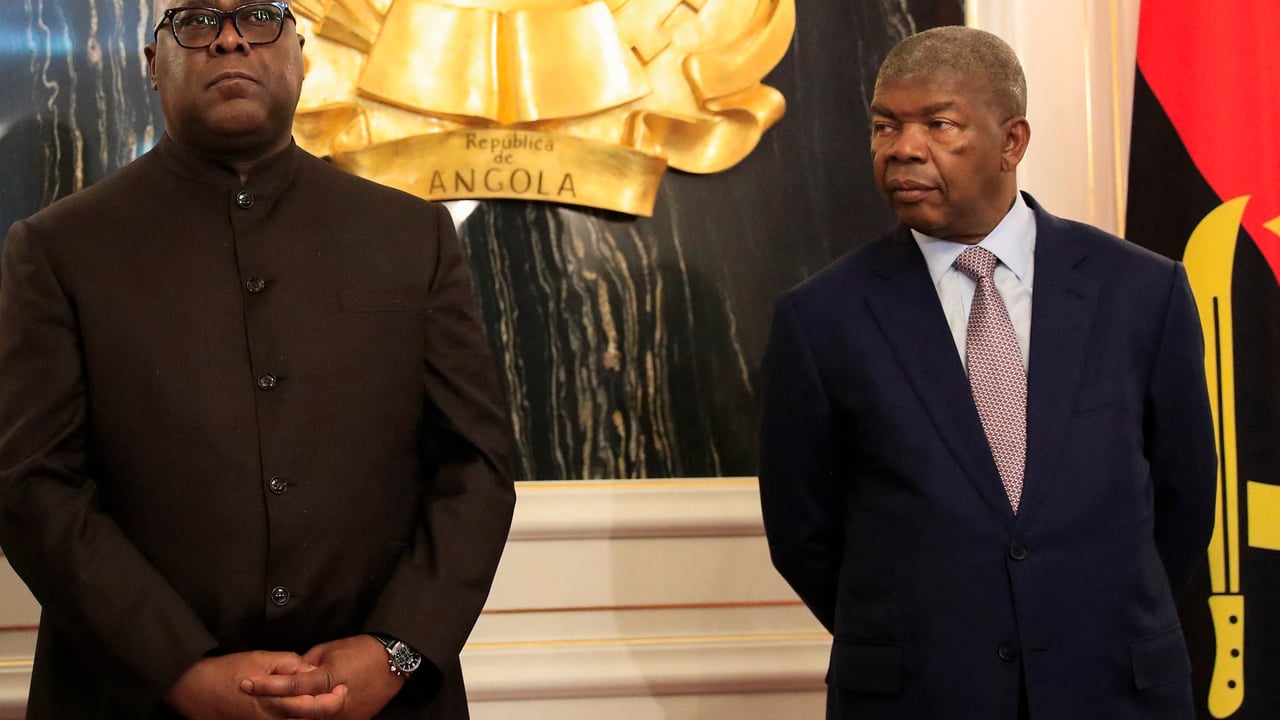
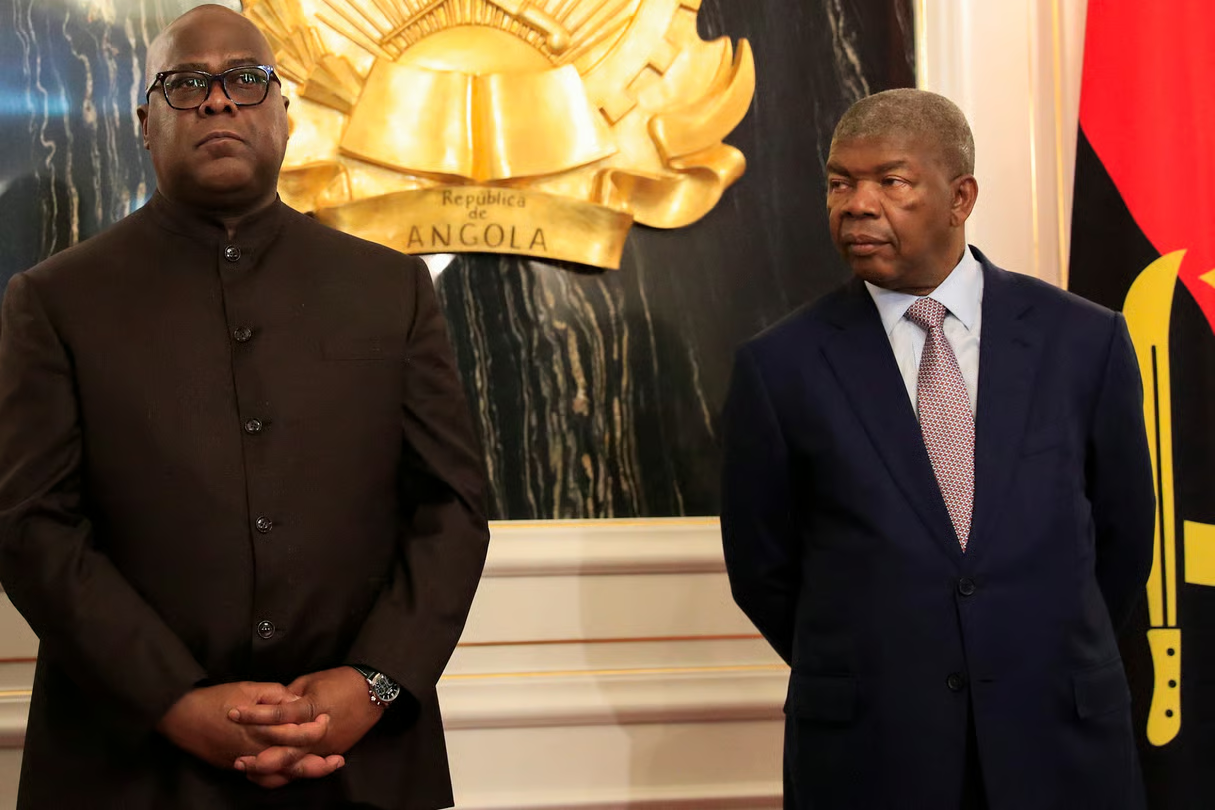
The behind-the-scenes maneuvering in Kinshasa and Luanda reveals a complex web of power dynamics between Félix Tshisekedi and João Lourenço.
a high-stakes diplomatic standoff
The Angolan president’s recent visit to Kinshasa wasn’t just a courtesy call—it was a calculated move in a tense diplomatic chess game. While official statements emphasized cooperation, unspoken tensions lingered over mineral resources, regional security, and political influence. The air in the presidential palace was thick with more than just protocol; it carried the weight of unresolved disputes.
what’s driving the disagreement?
The friction stems from competing visions for the Great Lakes region. Tshisekedi’s administration has been vocal about strengthening regional alliances, while Lourenço’s government prioritizes economic leverage, particularly in mineral-rich territories. The stakes couldn’t be higher—control over trade routes, access to critical resources, and the balance of power in central Africa are all on the line.
Adding another layer to the conflict is the shadow of Joseph Kabila’s legacy. The former president’s lingering influence in Congolese politics continues to shape the current administration’s decisions, creating an undercurrent of distrust between the two nations.
the role of rebel groups in the tension
The resurgence of the M23 rebel movement has further complicated relations. Angola, as a key mediator in regional peace efforts, finds itself at odds with Kinshasa’s hardline stance on security. While Tshisekedi pushes for military solutions, Lourenço advocates for dialogue—a divide that threatens to derail collaborative efforts.
what’s next for RDC and Angola?
The coming months will be decisive. Will the two presidents find common ground, or will their rivalry deepen? One thing is certain: the outcome will have ripple effects across the continent, reshaping alliances and redefining power structures in the Great Lakes region.
For now, the diplomatic corridors remain tense, and the world watches closely. The next chapter in this power struggle could redefine Africa’s geopolitical landscape.