
From presidential guard commander to key political figure
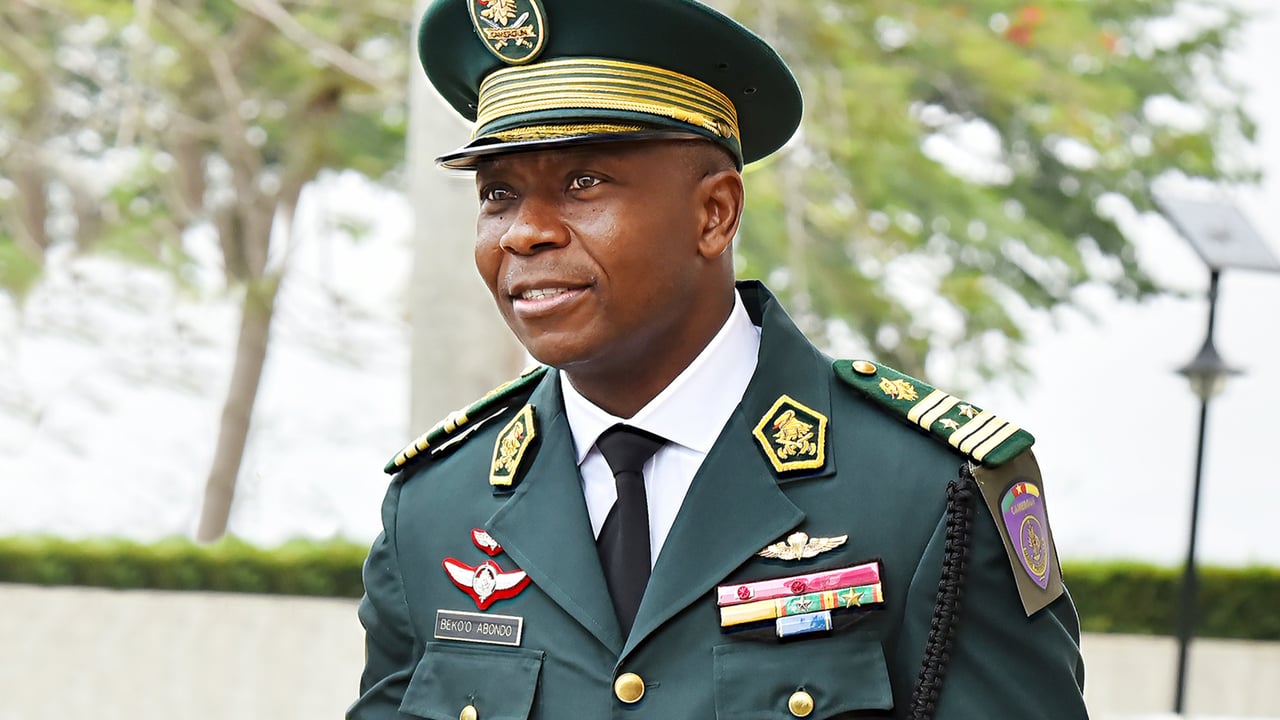
The recent promotion of General Raymond Jean Charles Beko’o Abondo to the rank of four-star general has sent ripples through Cameroon’s political landscape. Appointed to lead the Presidential Guard in late 2024, his elevation comes at a critical juncture when internal power dynamics are under intense scrutiny.
The Presidential Guard, tasked with protecting Cameroon’s highest authorities, now falls under the command of a figure whose influence extends beyond traditional military roles. Observers note that his rapid ascent reflects the shifting priorities of the country’s leadership, particularly in navigating complex factional challenges.
Why Beko’o Abondo’s role matters now
Cameroon is currently experiencing a period of heightened political tension, with competing factions vying for influence behind the scenes. In this context, the appointment of a seasoned military leader to a pivotal civilian security role underscores the government’s strategy to reinforce stability.
Beko’o Abondo’s trajectory—from a decorated officer to a central figure in national security—highlights the intersection of military command and political strategy. His promotion, announced in early August 2026, follows years of service in elite units and positions of trust within the state apparatus.
A career built on loyalty and expertise
- Early years in the military: Beko’o Abondo’s career spans decades, marked by assignments in high-stakes operational theaters and close collaboration with top leadership.
- Presidential Guard leadership: Since taking command in 2024, he has overseen critical security operations, earning recognition for both efficiency and discretion.
- Strategic promotion: The August 2026 elevation to general ranks him among Cameroon’s most influential military voices, positioning him as a potential mediator in internal power struggles.
What this means for Cameroon’s future
While the government has framed the promotion as part of a broader modernization of the security apparatus, political analysts suggest deeper implications. The choice of Beko’o Abondo—a figure with deep roots in the establishment—signals a preference for continuity and control in turbulent times.
The question now is whether his leadership can help bridge divides within the ruling circles or if his role will further entrench existing power structures. One thing is certain: his influence will be felt in both military and political arenas for years to come.