Across Africa’s fragile Sahel states, a new security calculus is taking shape—one where gold concessions and military muscle are traded like never before. In the heart of this transformation, the Central African Republic (CAR) has become a testing ground for a Russian-backed model that blends protection with profit, leaving both allies and observers to question: who truly benefits from these alliances?
The turning point in Bangui: when sovereignty meets mineral wealth
Since the death of Wagner Group founder Yevgeny Prigozhin in 2023, his son Pavel—now 28—has reportedly expanded a sprawling economic empire in CAR, potentially netting over $400 million annually. But this isn’t just business as usual: behind the facade of security cooperation lies a web of mining ventures, shadow markets, and strategic concessions that raise pivotal questions about the future of African-Russian partnerships.
At the core of this system is gold. CAR’s largest gold mine, tied to networks linked to Wagner, is said to produce nearly $250 million worth of gold each year. Yet the flow of cash—from extraction to export—remains shrouded in opacity, with little clarity on how much revenue actually reaches national coffers. For a country battling insurgencies and state fragility, the trade-off between military support and resource control has never been more visible.
From tanks to trade: the dual role of Russian forces
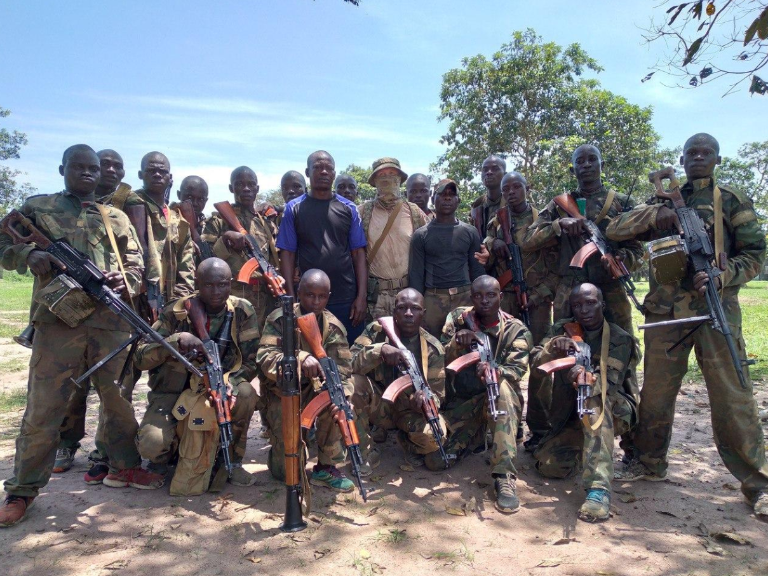
The Central African capital, Bangui, has become a laboratory for this high-stakes experiment. Here, Russian contractors—some reportedly under the Africa Corps banner—provide more than just security for President Faustin-Archange Touadéra’s regime. They man checkpoints, train local forces, and, according to multiple reports, operate as de facto economic actors, securing access to lucrative sectors beyond defense.
With an estimated 500 Russian-linked operatives still active in CAR, their presence extends into mining logistics, transportation hubs, and even informal markets. While the stated mission is counterinsurgency, the reality on the ground suggests a hybrid model where security duties fund, or are funded by, commercial enterprises—creating a self-reinforcing loop that favors certain networks over others.
A model with multiple faces—and multiple risks
This intertwining of military and economic roles isn’t confined to gold. Investigations have pointed to links between Wagner-affiliated groups and other lucrative trades, including the trafficking of alcohol, small arms, and even synthetic drugs like tramadol—a prescription opioid increasingly diverted into illicit markets. Such diversions, while not conclusively proven, underscore a broader governance challenge: when armed actors wield both guns and commercial leverage, accountability becomes murky, and public interest risks being sidelined.
Can the Sahel escape the Central African trap?
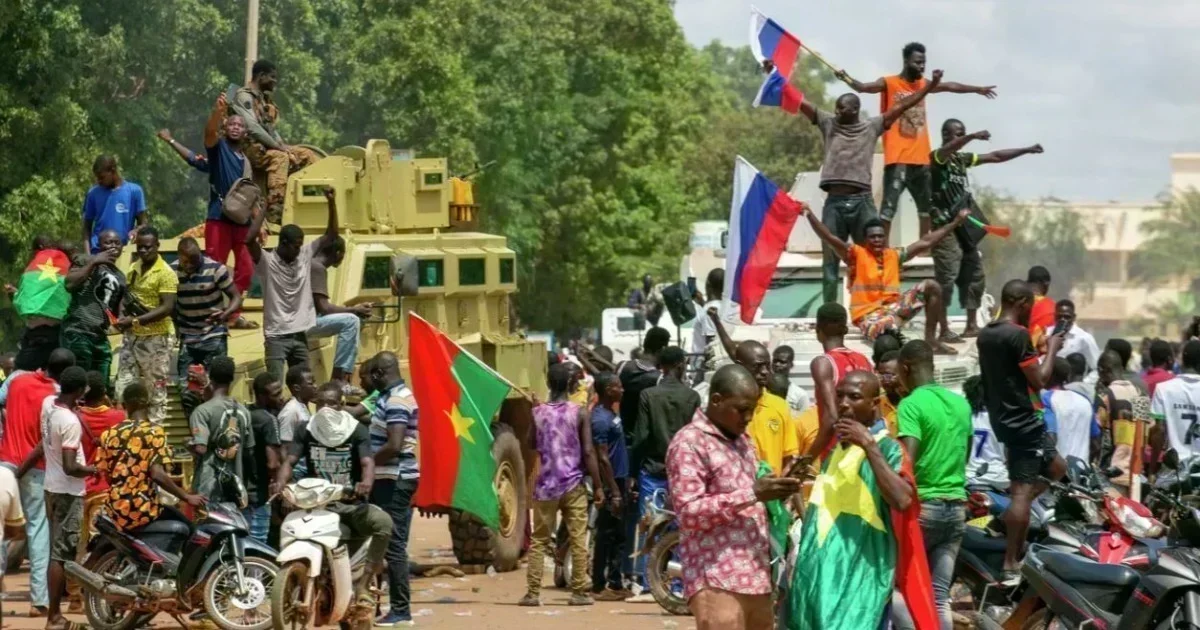
The aftermath of CAR’s security-for-minerals experiment now looms large over the Sahel’s three-nation alliance: Mali, Burkina Faso, and Niger. All three have deepened ties with Moscow in recent years, citing frustration with Western partnerships and the urgent need to combat jihadist violence. But as they weigh their options, one question lingers: will their choices replicate the CAR model—or forge a different path?
In Mali, debates rage over the effectiveness and human cost of Russian military support, while in Burkina Faso and Niger, new agreements raise concerns about hidden economic clauses. What’s at stake isn’t just who provides the security, but what strings come attached—and who reaps the rewards.
Transparency as the ultimate safeguard
For Sahel governments, the path forward begins with clarity. Transparent contracts, independent audits of mining operations, and public scrutiny of security expenditures are not luxuries—they are essential to ensuring that partnerships serve national interests, not private agendas. After all, a deal that exchanges bullets for bullion may secure short-term stability, but it risks eroding long-term sovereignty.
The Kremlin’s balance: control vs. chaos
Moscow’s official posture—through the Africa Corps—hints at an effort to centralize and “normalize” Russian operations abroad. Yet beneath this formal structure, remnants of the Wagner ecosystem persist, particularly in CAR, where Pavel Prigozhin’s networks continue to operate with de facto autonomy. This dual reality exposes a tension at the heart of Russia’s Africa strategy: the state seeks to rationalize its presence, but the foot soldiers of influence often have their own agendas—and their own bottom lines.
For the Sahel states, this poses a strategic dilemma. Russian military support can fill critical gaps and bring rapid results. But when that support is tied to resource extraction or opaque financial flows, the long-term cost may outweigh the benefits. True sovereignty, after all, is not just about who holds the guns—it’s about who controls the gold.
Beyond security: the hidden cost of mineral-backed alliances
As African leaders navigate this new geopolitical landscape, they must ask themselves: what kind of partnership do they want? One where security is purchased with concessions? Or one where investments yield tangible benefits for citizens—not just for foreign patrons or shadowy intermediaries?
CAR’s example serves as both caution and catalyst. It shows how military collaboration can morph into economic dependency, turning sovereignty into a negotiable currency. For the Sahel, the time to act is now—not when the deals are signed, but before the ink has dried.