Tchad presidential pardon sparks hopes for political easing
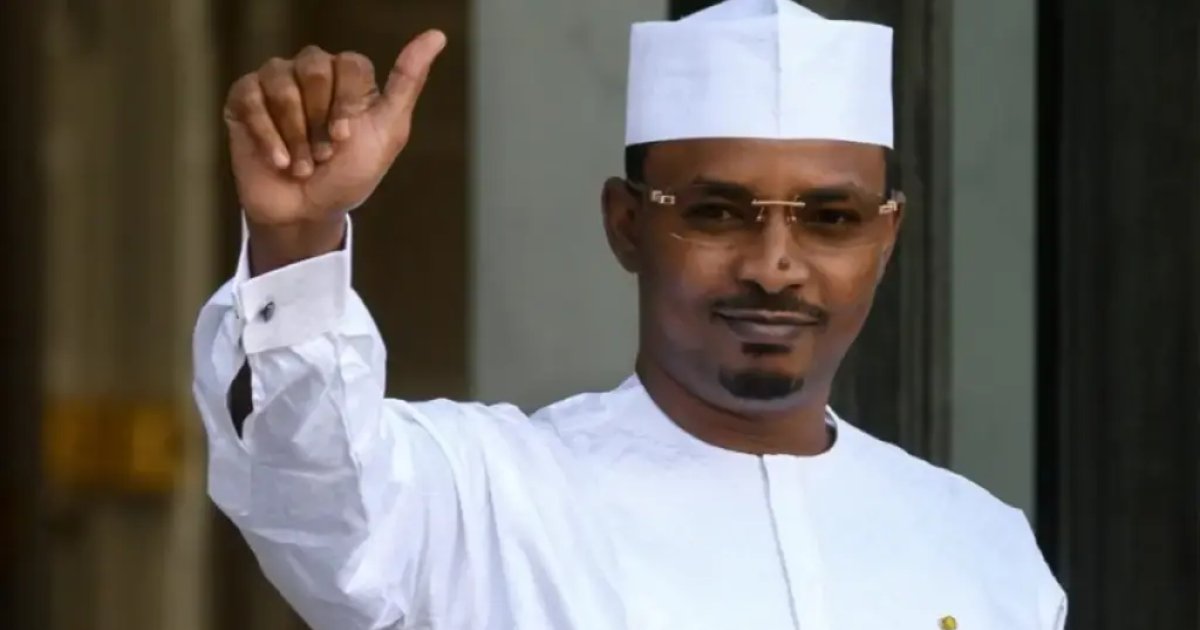
As Chad commemorates its 66th Independence Day, President Mahamat Idriss Déby Itno has revealed plans to exercise his constitutional clemency powers. While the identities of those set to benefit remain undisclosed, the announcement has sparked intense speculation about the fate of opposition figures, including former Prime Minister Succès Masra.
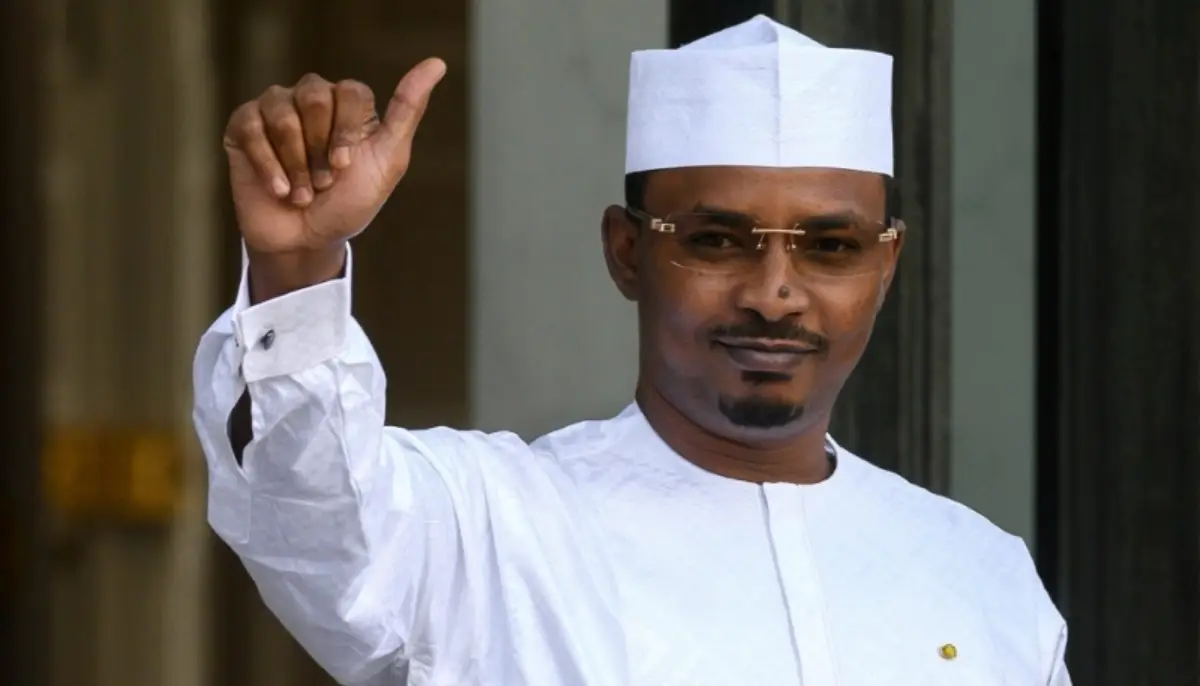
The president framed the pardon initiative within a broader message of national unity and reconciliation. The practical impact will hinge on a forthcoming decree that will clarify who qualifies for reduced sentences or early release. Until then, uncertainty fuels speculation about detained opposition leaders.
For months, civil society groups and political coalitions have urged the government to adopt measures that ease tensions. The Coalition for Saving Democracy in Chad (COSADT), established in January 2026, is pushing for direct political dialogue and the release of individuals it describes as political prisoners.
Succès Masra at the heart of expectations
At the center of the debate is Succès Masra, former Prime Minister and leader of the Les Transformateurs party. In August 2025, he was sentenced to 20 years in prison following a controversial verdict that linked him to intercommunal violence. The court found him guilty of disseminating hate speech and complicity in murder.
On May 21, 2026, Chad’s Supreme Court rejected his appeal, finalizing the conviction. This legal milestone paves the way for a potential presidential pardon—something repeatedly discussed in recent months.
However, Les Transformateurs has long advocated for an amnesty rather than a pardon. Since January 2026, the party has insisted that amnesty would offer a more comprehensive political resolution by addressing the underlying legal consequences of the case.
The distinction is crucial. A pardon typically reduces or halts a sentence without erasing the conviction, while amnesty can nullify legal repercussions entirely, offering a stronger political rehabilitation path. For Masra, the outcome could shape his political future: a pardon would signal immediate reconciliation, whereas amnesty would enable a fuller reintegration into public life.
As of now, there is no confirmation that Masra is among the beneficiaries of the announced clemency.
Other detained figures in the spotlight
The scope of the pardon extends beyond Masra. Multiple opposition groups, including COSADT, have intensified calls for the release of incarcerated activists and leaders. They argue that the political climate has deteriorated and demand confidence-building measures.
The government, however, maintains that judicial procedures are being respected and points to the country’s institutional stability. This stance contrasts sharply with opposition claims that democratic freedoms are under threat.
Another contentious issue emerged on July 27, 2026, when Chad announced its intention to withdraw from the Rome Statute, though the exit would only take effect a year later under International Criminal Court (ICC) rules. Opposition figures are now urging authorities to reconsider this decision, framing it as a potential confidence-building gesture rather than an immediate reversal of the withdrawal process.
The upcoming decree will reveal whether the clemency measures are largely symbolic, tied to national celebrations, or carry deeper political implications. If figures like Succès Masra are included, the move could mark one of the most significant gestures of reconciliation since the end of Chad’s political transition.