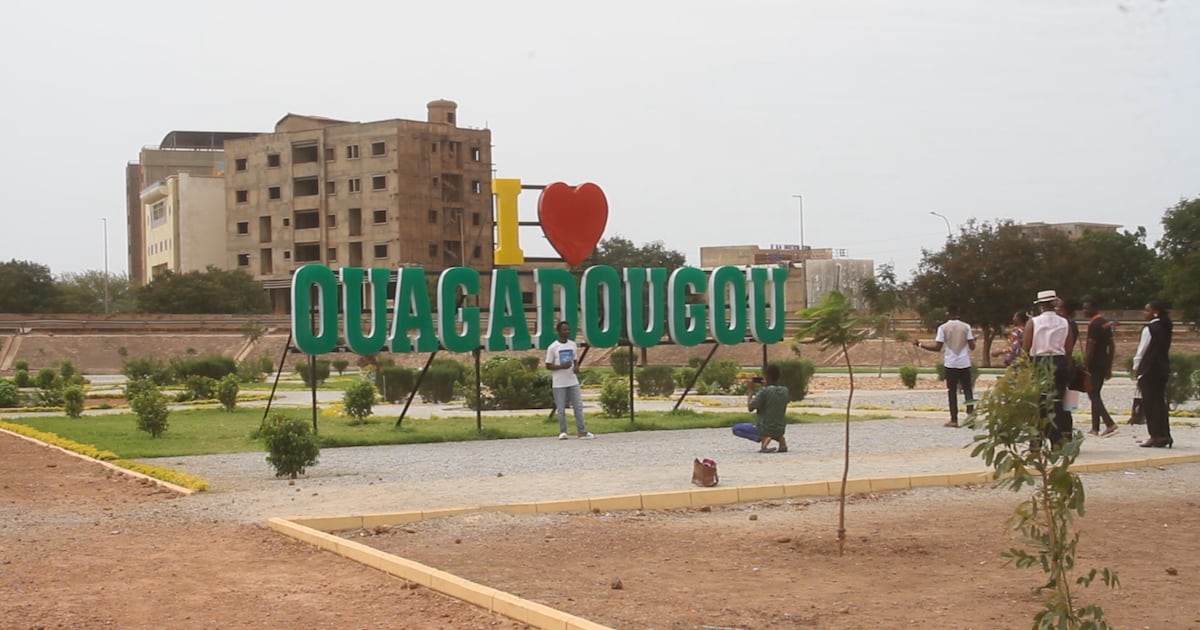
Burkina Faso has launched an ambitious nationwide greening initiative, aiming to transform its urban landscapes by creating 80 new green spaces, 60 landscaped roundabouts, and 65 kilometers of tree-lined roads. This sweeping urban development project is poised to reshape the country’s cities, enhancing both aesthetics and livability.
Reviving dusty cityscapes with nature’s embrace
Many urban areas in Burkina Faso have long grappled with sweltering heat, choking dust, and a severe shortage of recreational spaces. Yet, the introduction of these green zones—such as the lush space beneath the Ouagadougou 2000 interchange—promises to transform the daily lives of residents and visitors alike.
Dr. Ines Bationo, a Burkinabè living in Senegal, shared her heartfelt reaction: «You cannot imagine the joy I felt seeing these spaces. I’m part of the Burkinabè diaspora, and when I arrived after being away, I was completely captivated by the sight of these green havens.»
Cooling cities naturally: how greening fights urban heat
Scientific evidence from cities worldwide confirms that urban greening is a powerful tool against rising temperatures. Tree-lined streets provide essential shade, significantly lowering the perceived heat in built-up areas.
Research indicates that increasing green spaces, rooftop gardens, and street trees could lower average city temperatures by up to 2°C. Under dense tree cover, peak temperatures can be as much as 4°C cooler than in open, sun-exposed areas—crucial for mitigating the health risks of heatwaves.
Mahamadi Ouedraogo, a community leader, emphasized the shift: «This changes the environment. Before, it was just red earth with nothing special. Now, it’s beautiful, with a cooler microclimate—exactly what we need. We’re a Sahelian country, so managing heat through ecological solutions must become a priority.»
More than just shade: green spaces as social anchors
Beyond their environmental benefits, these urban green zones foster a stronger sense of community. They serve as gathering spots, relaxation areas, and even venues for social bonding.
Sidoine Nakanabo, a local visitor, expressed her delight: «We’re thrilled. This is first and foremost a place to unwind, and it also has great potential to boost tourism in Burkina Faso.»
Sustainability: the key to long-term success
The program’s success hinges on more than just planting trees—it requires ongoing maintenance. Ensuring these spaces thrive demands structured access plans and revenue models to fund their upkeep.
Lassané Sawadogo, a civil society activist, highlighted the need: «After development, we must establish clear access rules so municipalities and the Ministry of Environment can generate funds to maintain these vital spaces.»
By integrating nature into urban planning, Burkina Faso is sending a powerful message: modern cities are not just concrete and asphalt—they thrive when built with trees, shade, and breathing spaces for people.