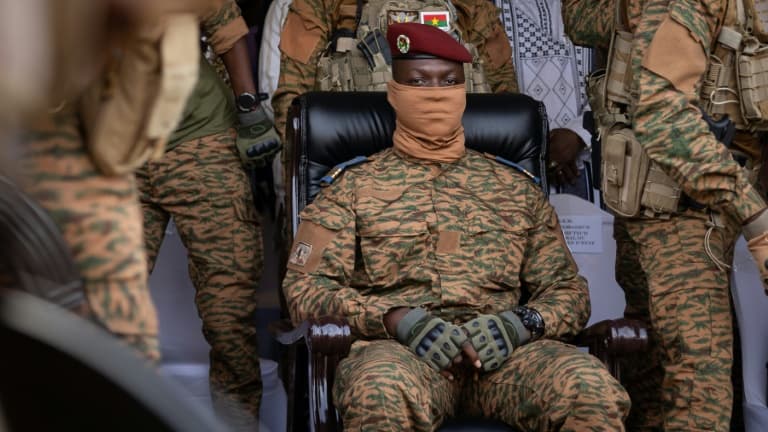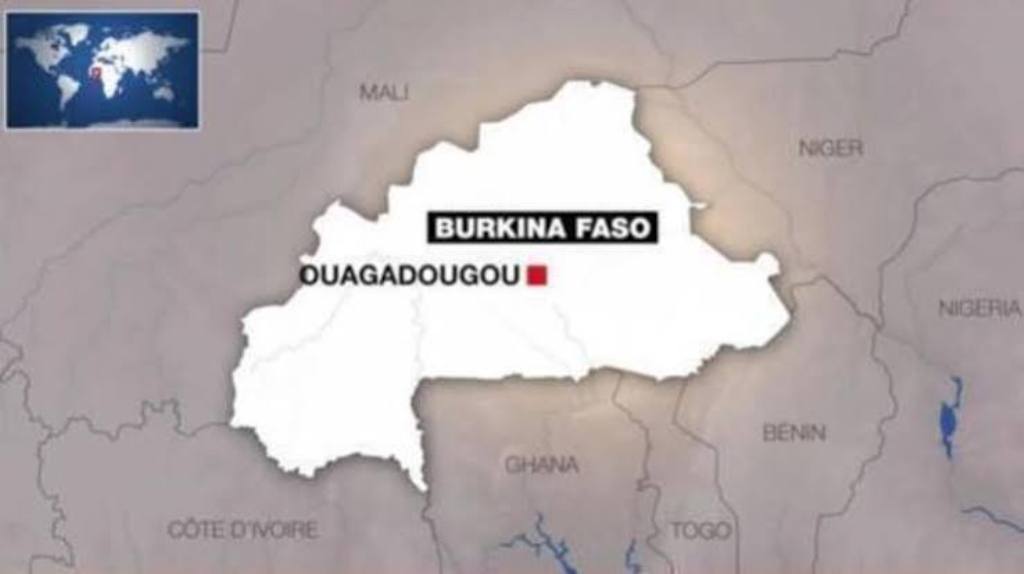
In a move that has sparked debate, over 40 journalists from both public and private media outlets in Burkina Faso recently completed a mandatory week-long military training program. Organized by the Ministry of Security at the Police Academy in Pabré, just outside Ouagadougou, the initiative is framed by authorities as a patriotic immersion exercise to be held annually. While the government presents it as a way to foster national unity and operational awareness, press freedom advocates warn of growing militarization of the media landscape.
The training comes at a time when Burkina Faso remains embroiled in a persistent conflict against armed extremist groups. It follows a similar but more targeted requirement introduced last year, which made military training compulsory for high school graduates seeking their baccalaureate diploma. The latest measure, however, extends this expectation to journalists—a profession already under heightened scrutiny by state authorities.
Footage aired on national television captured Communications Minister and government spokesperson Pingdwendé Gilbert Ouédraogo addressing participants in military attire, rifle in hand. His rhetorical question—”Will you be patriotic and professional journalists?”—elicited a chorus of “Affirmative!” responses from the journalists standing at attention. “A professional journalist who is not patriotic poses a threat. A professional and patriotic journalist who remains unengaged is merely a passive observer at a time when the future of our nation is being written,” he asserted.
Lassina Traoré, Director General of the Police Academy, emphasized that the program aims to “instill in journalists an understanding of the operational realities and core values guiding defense and security forces in their daily duties.” Yet critics argue that such training blurs the line between journalism and military service, potentially compromising the profession’s independence and integrity.
Freedom of the press advocates have voiced strong reservations. “Journalists are not soldiers and must not be turned into mouthpieces for war efforts—decked in military uniforms and wielding weapons,” stated Sadibou Marong of Reporters Without Borders. The concern is compounded by recent incidents, including the continued detention of journalist Serge Oulon, abducted in Ouagadougou two years ago, which underscores the precarious environment for media professionals in the country.