Bordeaux has just rewritten the rules for repatriating African artifacts. On June 1, 2026, the city council formally declined a bequest of 53 artworks from multiple African nations currently held in the Musée d’Aquitaine. What appears at first glance to be a refusal actually serves as a critical legal maneuver. Under French law, public collections are bound by inalienability, meaning once objects enter the museum’s holdings, transferring them becomes nearly impossible. By declining the gift before formal acquisition, Bordeaux preserves its ability to return 33 pieces directly to Gabon—specifically to Libreville’s national institutions.
Legal creativity paves the way for restitution
This decision showcases how French local governments are engineering solutions to meet restitution demands from African nations. Since the 2018 Sarr-Savoy report urged the return of cultural goods acquired during colonial rule, public debate has intensified, yet legislative progress remains slow. Each restitution requires a tailor-made legal framework—either a dedicated law or a bespoke arrangement. Bordeaux’s refusal of the bequest before it enters public collections sidesteps the inalienability obstacle, granting the city leeway to arrange a direct transfer to Gabon.
The move is not merely symbolic. It reflects a determined political stance by a left-wing municipality grappling with its colonial past. Bordeaux, whose 18th-century wealth was deeply tied to the transatlantic slave trade, has in recent years launched memorial initiatives. The June decision extends that commitment from symbolic gestures to concrete legal action.
Gabon leads a fragile wave of cultural restitution
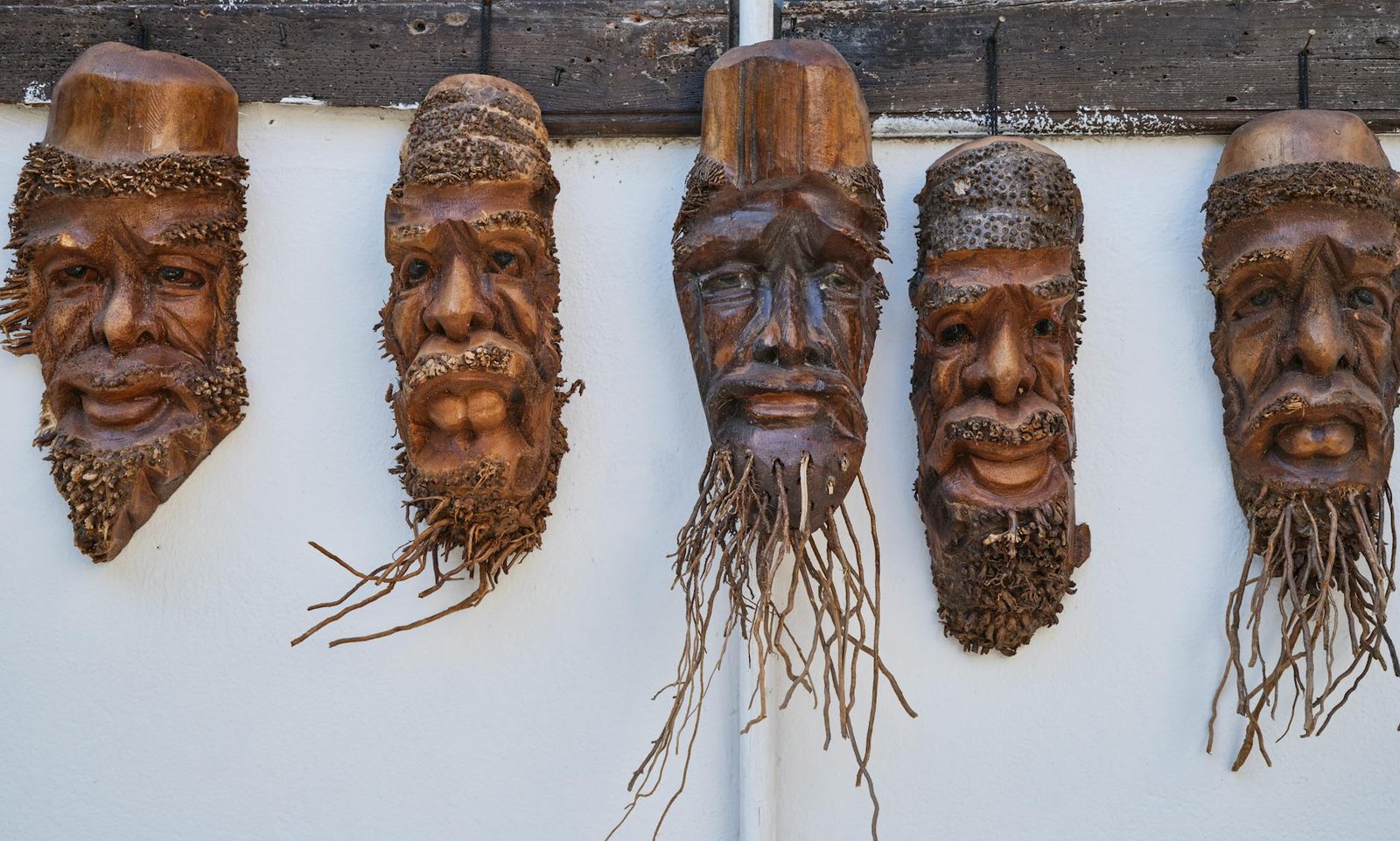
For Libreville, the return of 33 artworks is more than cultural restitution—it’s nation-building. The pieces, including masks and reliquaries from the Fang, Punu, Kota, and Tsogho peoples, have immense cultural significance and considerable market value. Kota reliquary figures, for example, regularly fetch hundreds of thousands of euros at auction, underscoring their global prestige. Since the 2023 regime change, Gabon has elevated cultural sovereignty as a central pillar of its national narrative. Reclaiming colonial-era artifacts fits seamlessly into this vision. However, the process is far from complete. Bordeaux’s refusal has initiated a procedural opening, but the actual transfer still requires French authorities to finalize the legal framework. Gabon must also demonstrate its readiness to house, preserve, and exhibit these objects according to international museum standards.
Could Bordeaux’s model inspire nationwide change?
Bordeaux’s approach may set a precedent for other French cities grappling with similar restitution requests. Marseille, Lyon, Nantes, and La Rochelle all hold colonial-era collections with uncertain legal status. The Girondine model offers a replicable blueprint—provided the bequests haven’t yet been formally integrated into public collections. For African nations seeking restitution, this path promises speed and efficiency, avoiding the need for a parliamentary derogation law in every case. The implications stretch far beyond Gabon. Senegal, Benin, Côte d’Ivoire, and Cameroon are closely monitoring the Bordeaux case. The 2021 restitution of 26 royal treasures to Benin required a special law; Bordeaux’s quieter method could ultimately prove more effective in handling the thousands of African artifacts still dispersed across French museums. The dossier involving Gabonese works now stands as a test case for the evolving diplomatic relationship between Paris, French municipalities, and African governments.