DRC national dialogue: AETA urges unity over partisan interests
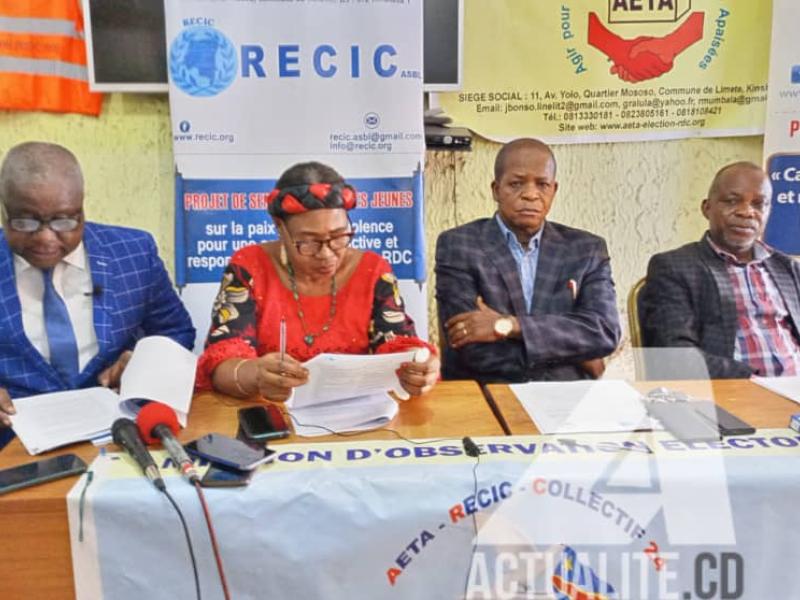
Kinshasa — The African Engagement and Transparency Alliance (AETA) has issued a strong appeal to political and social actors in the Democratic Republic of the Congo, urging them to set aside partisan interests and prioritize the nation’s higher interests. The call comes amid growing tensions ahead of a critical national dialogue aimed at addressing the country’s pressing challenges.
Uniting for the nation’s future
The AETA, through a statement released in the capital, emphasized that the current political climate demands collective responsibility. The alliance stressed that the focus must remain on sustainable solutions rather than short-term political gains, warning that division could further destabilize the country’s fragile socio-political environment.
In its communiqué, AETA highlighted the urgency of constructive engagement, stating that the dialogue must include all stakeholders to ensure broad-based consensus. The organization warned against actions that could undermine national cohesion, calling for restraint and a commitment to peaceful resolution.
AETA’s key demands
The alliance outlined several priorities for the national dialogue, including:
- Inclusive participation: Ensuring that all political, social, and civil society groups are represented in the discussions.
- Transparent governance: Strengthening accountability mechanisms to rebuild public trust in institutions.
- Economic recovery: Addressing the country’s economic challenges as a unifying priority to improve living conditions.
- Peace and security: Prioritizing dialogue over confrontation to prevent further violence and displacement.
Reactions and expectations
The call from AETA follows months of political maneuvering and public frustration over delayed reforms. While some political factions have signaled willingness to participate in the dialogue, others remain skeptical about its potential effectiveness. Civil society groups, however, have largely welcomed the initiative, seeing it as a necessary step toward national reconciliation.
Observers note that the success of the dialogue will depend on the government’s willingness to address key grievances, including electoral reforms, security sector overhaul, and economic inequality. The AETA’s intervention underscores the need for a unified approach to tackle these issues.
The AETA’s appeal reflects broader concerns about the country’s trajectory, with many fearing that prolonged political instability could have devastating consequences for millions of Congolese citizens.