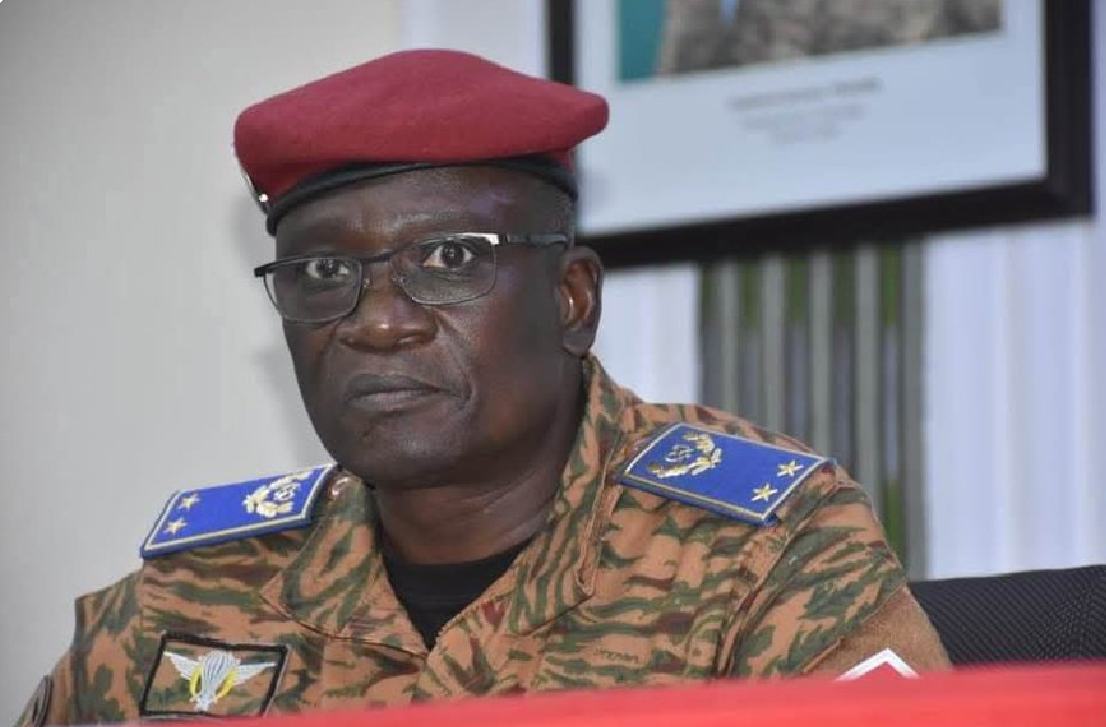
As Burkina Faso grapples with an unprecedented security and humanitarian crisis, a significant cash theft has rocked the highest echelons of its military leadership. Brigade General Célestin Simporé, the Minister of Defense, discovered a staggering 170 million F CFA missing from his private residence. The alleged perpetrator is a member of his own close security detail, who has since fled abroad. Beyond the immediate incident, this scandal casts a harsh light on the perceived excesses of the ruling elite amidst a populace struggling with severe hardship.
The wolf among the flock
The news, initially circulating in restricted circles within the capital before igniting newsrooms, landed like a bombshell. An individual from Defense Minister General Célestin Simporé’s personal guard managed to circumvent the security protocols to abscond with a suitcase containing 170 million F CFA.
Exploiting a position of absolute trust, the suspect meticulously planned the operation with military precision. With the illicit gains in hand, the rogue soldier swiftly crossed national borders. Reports indicate he is currently a fugitive in a neighboring country, leaving behind a military institution in shock and a deeply embarrassed minister. This incident further fuels discussions about African politics and governance challenges.
A fortune in cash: legality questioned at the heart of power
While the theft itself provokes outrage, it is the sheer volume of cash and its presence at the minister’s home that raises critical questions. Burkina Faso, like other member states of the UEMOA zone, adheres to stringent regulations regarding currency holdings and cash payment limits. These laws on liquidity circulation are specifically designed to combat money laundering and the financing of terrorism.
How could a Defense Minister, an individual expected to embody the state’s order and rigor, keep 170 million F CFA in liquid cash at home?
This situation appears to flagrantly violate existing statutes. It presents a major governance dilemma: what is the origin of these funds? Are they political funds, kickbacks from defense contracts, or diverted public money? In the absence of transparency, public suspicion of widespread corruption within the government only intensifies, impacting the perception of African economy news and state integrity.
170 million for a minister, destitution for the people
This scandal erupts against a backdrop of extreme national gravity. While millions of F CFA reportedly resided in the plush residences of Ouagadougou, the average Burkinabè citizen struggles daily. The nation counts millions of internally displaced persons crammed into precarious camps, facing acute shortages of food, potable water, and essential healthcare.
For citizens contributing to the war effort through increasingly heavy taxes, this revelation is particularly bitter. 170 million F CFA could procure light armored vehicles, thousands of combat rations for soldiers on the front lines, or facilitate the rehabilitation of multiple schools closed due to terrorism. This stark contrast between the blatant opulence of some leaders and the total destitution of the populace is an affront to the patriotic sacrifice demanded of Burkinabè citizens.
The time for accountability has arrived
This affair cannot, and must not, be swept under the rug of national security secrecy. It undermines the credibility of the transitional government and the military hierarchy, both of whom have championed probity as a core principle. Military justice and the High Authority for State Control and Anti-Corruption (ASCE-LC) must proactively take up this case. The Burkinabè people demand immediate clarification: a transparent investigation into the origin of these funds and exemplary sanctions, regardless of the rank of the officer involved. Patriotism cannot be a variable standard.