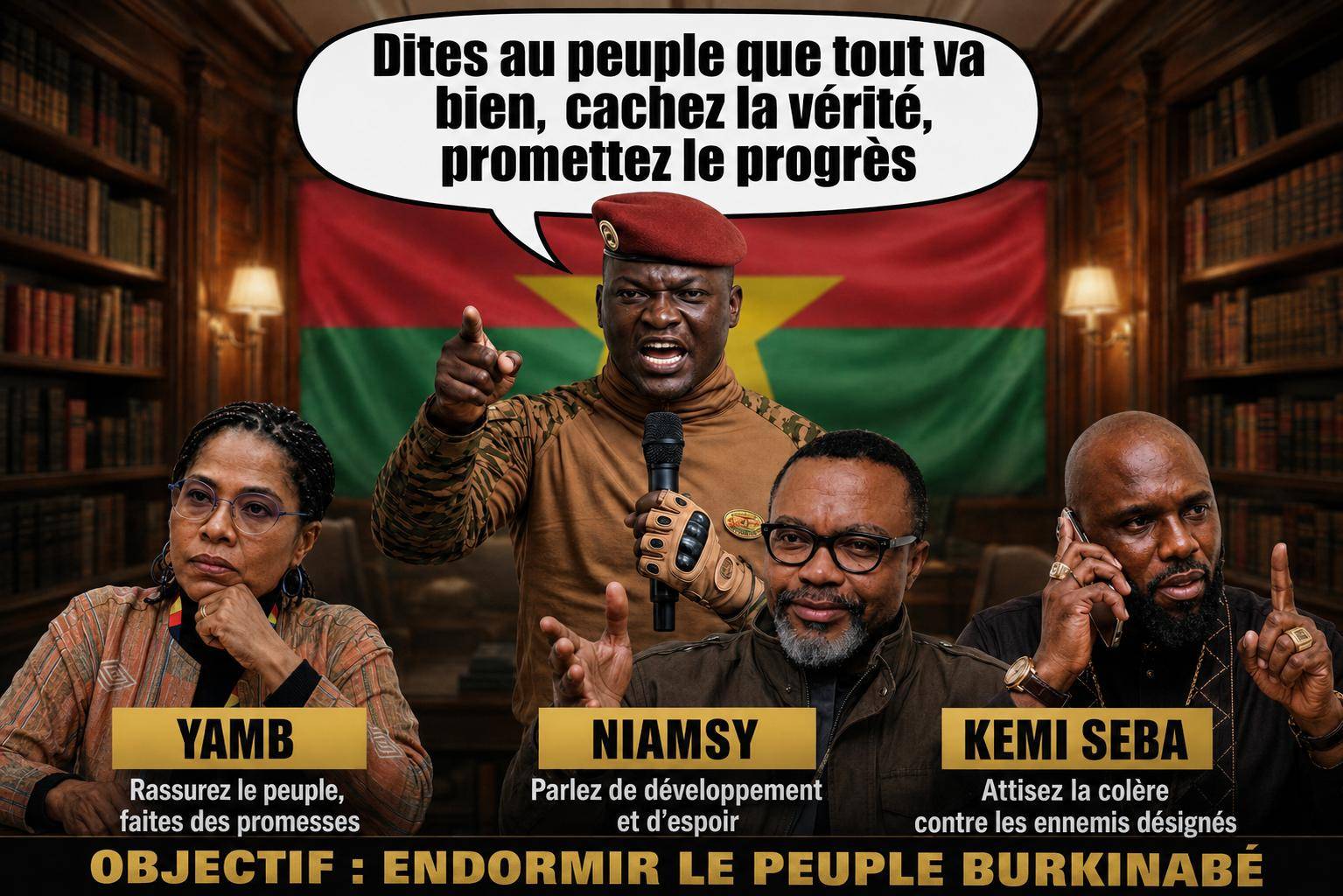
Since seizing power, Captain Ibrahim Traoré has emerged as a prominent figure in African sovereignism, leveraging an assertive communication strategy and a robust presence across digital platforms. The Burkinabè authorities are actively promoting a narrative of imminent economic recovery, aiming to reshape both domestic and international perceptions of the country’s trajectory.
Sovereignism and the amplification of a development myth
This economic discourse is widely disseminated by influential panafricanist voices, including individuals such as Nathalie Yamb, Franklin Nyamsi, and Kemi Seba, who consistently portray Burkina Faso as a pioneer of an alternative development model liberated from historical foreign dependencies. Their digital activism reinforces the official storyline, presenting the nation as a symbol of self-reliant progress.
Claims versus tangible outcomes: a critical examination
However, economists, analysts, and independent observers urge caution regarding the veracity of certain government claims. While supporters highlight accelerated industrialization, revitalized local production, expanded processing units, and assertions of economic sovereignty, critics argue that many of these initiatives either predate the current administration or remain embryonic, lacking verifiable progress or comprehensive documentation.
Beyond these concerns, the regime’s communication strategy is frequently accused of prioritizing symbolic victories over addressing pressing national challenges. Despite the optimistic rhetoric, Burkina Faso continues to grapple with profound security crises, humanitarian emergencies, and socioeconomic disparities that demand urgent attention.
Financial mobilization: transparency in question
To finance national priorities, authorities have implemented fiscal measures, including a 1% levy on select earners and other contributions under the banner of patriotic mobilization. While proponents frame these as acts of collective solidarity in extraordinary circumstances, trade unions, civil society organizations, and independent analysts demand full transparency regarding fund allocation and utilization.
These stakeholders insist on the publication of detailed financial reports and the conduct of independent audits to ensure accountability and rebuild public trust. Without such mechanisms, questions persist about the actual impact of these contributions on tangible development outcomes.
Questioning the narrative of financial independence
Another contentious issue revolves around claims of reduced reliance on foreign aid. Some supporters assert that Burkina Faso has relinquished over a billion dollars in external assistance in the name of sovereignty. Critics, however, dispute this portrayal, emphasizing that international partnerships and funding streams persist. For instance, Japan continues to engage with Ouagadougou through development programs valued at billions of CFA francs, contradicting assertions of a complete rupture with international donors.
This discrepancy underscores tensions between the official narrative and ground realities, raising doubts about the feasibility of a fully autonomous economic model amid persistent global interdependencies.
Conclusion: separating rhetoric from reality
The persistent debate surrounding Burkina Faso’s economic trajectory reflects broader questions about the interplay between political communication, ideological mobilization, and evidence-based policymaking. While the regime promotes a vision of transformation, skepticism remains rife regarding the substance behind the messaging. Ultimately, the true measure of progress will lie not in rhetorical flourishes but in measurable improvements in the lives of Burkinabè citizens.